Best for screen size
MSI MPG 341CQR QD-OLED X36
5.0 attribute score
Highest scored product for this attribute based on supporting review evidence.

Highest scored product for this attribute based on supporting review evidence.
Balances the attribute score, supporting reviews, and overall product strength.
Has the broadest review evidence for this attribute.
Strongest overall product among items with scored evidence for this attribute.
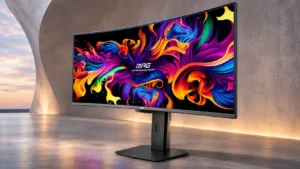
Overall: 4.4/5
At 34 inches the curved panel feels expansive for gaming and can hold wide workspaces without needing a second display.
Pros: refresh rate, Text fringing
Cons: Resolution, GPU demands
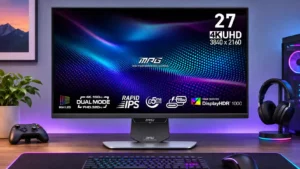
Overall: 4.0/5
The 27-inch size gives 4K dense detail and keeps reduced-resolution gaming less soft than larger 32-inch alternatives.
Pros: Dual-mode versatility, refresh rate
Cons: black levels, contrast
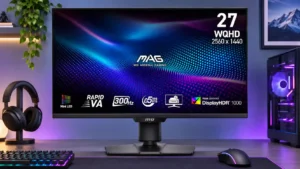
Overall: 3.9/5
The 27-inch size is seen as a comfortable match for QHD gaming and desktop use.
Pros: HDR performance, black levels
Cons: viewing angles, response time
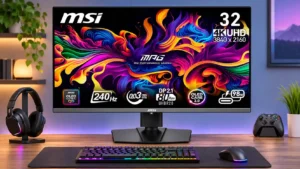
Overall: 4.0/5
The 32-inch format is a sweet spot for immersion and side-by-side windows, but it is large for shallow desks or clustered displays.
Pros: overall satisfaction, DisplayPort connectivity
Cons: value for money, reliability over time
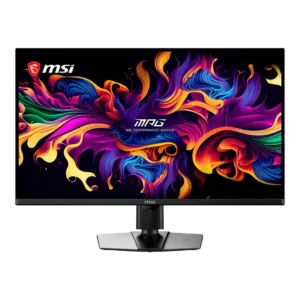
Overall: 4.4/5
The 32-inch screen creates strong immersion and provides useful desktop space without becoming an ultrawide. Its size is excellent for cinematic games, though some esports players may prefer a smaller...
Pros: brightness, reflection handling
Cons: cable management
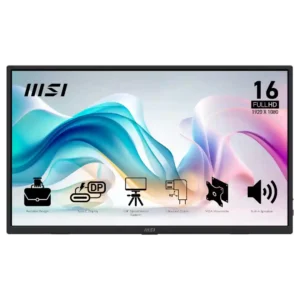
Overall: 4.1/5
The 15.6-inch size is widely appreciated for compact desks and travel, though one buyer found it too small for their purpose.
Pros: value for money, portability and weight
Cons: built-in speakers, color gamut
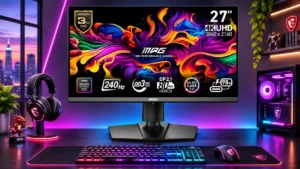
Overall: 4.2/5
The compact 27-inch format is attractive for competitive play and constrained desks, yet some reviewers prefer 32 inches for movies, RPGs and more workspace.
Pros: HDR performance, DisplayPort connectivity
Cons: value for money, brightness