Best for home backup capability
Grecell T-1000
5.0 attribute score
Highest scored product for this attribute based on supporting review evidence.

Highest scored product for this attribute based on supporting review evidence.
Balances the attribute score, supporting reviews, and overall product strength.
Has the broadest review evidence for this attribute.
Strongest overall product among items with scored evidence for this attribute.
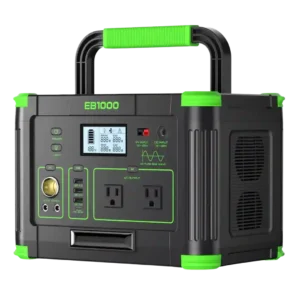
Overall: 4.1/5
Home-backup performance is one of the strongest themes, with successful use during hurricanes, tornado outages, winter cuts, and everyday grid failures for lights, communications, refrigeration, CPAP, and work.
Pros: overall product satisfaction, value for money
Cons: long-term reliability, recharge speed
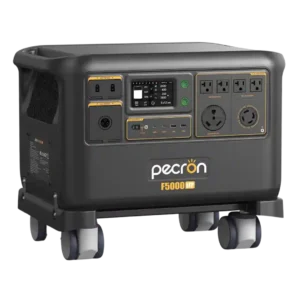
Overall: 4.3/5
Home backup is the F5000's strongest use case. Reviewers consistently praise its 7,200W split-phase output, large battery, solar input, transfer-switch compatibility, and ability to run multiple essential household loads.
Pros: overall product satisfaction, value for money
Cons: weight, wheel quality
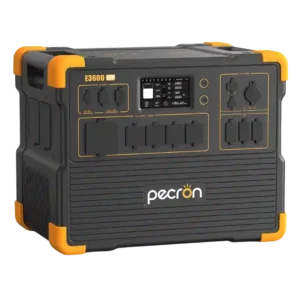
Overall: 4.1/5
The E3600 performs very well as emergency and partial-home backup, powering essential circuits for hours or even a full day.
Pros: overall product satisfaction, value for money
Cons: long-term reliability, noise level
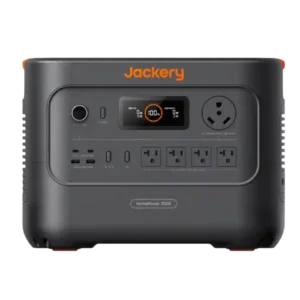
Overall: 4.3/5
Home backup is a major strength, with enough output for demanding appliances and enough capacity to carry essential circuits through shorter outages.
Pros: high-demand appliance support, overall product satisfaction
Cons: accessory ecosystem, charging input compatibility
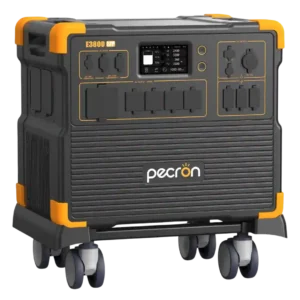
Overall: 4.2/5
Reviewers consistently find it well suited to essential home backup, with enough 120V output for refrigerators, pumps, lights, networking gear, tools, and other outage loads.
Pros: overall product satisfaction, value for money
Cons: weight, app quality
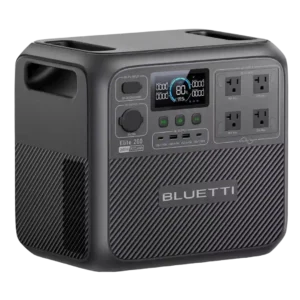
Overall: 4.4/5
It is highly effective for essential backup, keeping refrigerators, networking, computers, pumps, and selected household circuits running during outages.
Pros: overall product satisfaction, value for money
Cons: weight, battery expandability
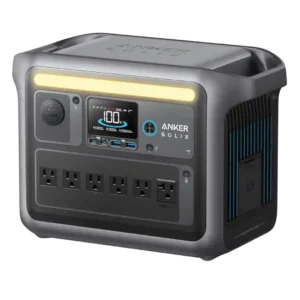
Overall: 4.5/5
The C1000 is highly effective for short outages involving refrigerators, routers, lights, medical gear, and workstations. It is a targeted essentials backup, not a whole-home solution for days.
Pros: overall product satisfaction, runtime
Cons: noise level, weight
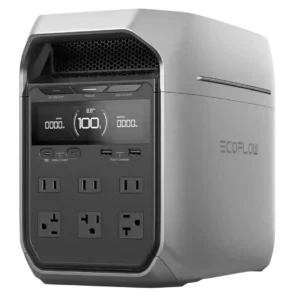
Overall: 4.6/5
The station is highly effective for refrigerators, internet gear, lights, TVs, CPAP machines, and office equipment during outages. It is not a substitute for a large split-phase whole-home system.
Pros: overall product satisfaction, solar panel compatibility
Cons: long-term reliability, standby power loss
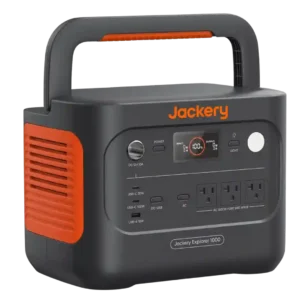
Overall: 4.4/5
As an essentials backup, it is excellent for refrigeration, networking, lights, medical devices, and short outages without generator noise or fuel.
Pros: overall product satisfaction, AC charging speed
Cons: solar panel compatibility, solar cable compatibility
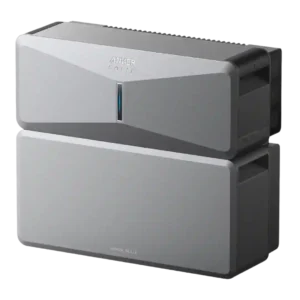
Overall: 4.4/5
Whole-home backup is the E10's strongest use case: reviewers repeatedly report real or simulated outages where the house kept operating normally, often without occupants noticing the grid had failed.
Pros: ease of setup, overall product satisfaction
Cons: display quality, accessory ecosystem
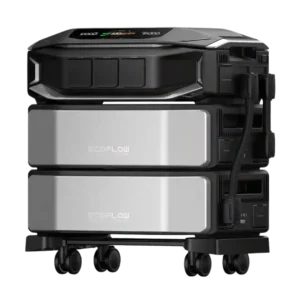
Overall: 4.4/5
Whole-home backup is the product's strongest use case. Multiple reviewers describe seamless real-world outage coverage, including HVAC and other large loads, with the system behaving more like residential energy infrastructure...
Pros: power output, home backup capability
Cons: AC outlet count, UPS functionality
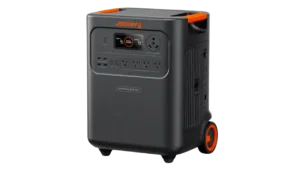
Overall: 4.4/5
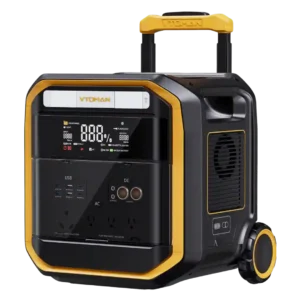
Home backup is the product’s clearest strength. Reviewers repeatedly found it capable of keeping refrigerators, networking gear, lights, and other essentials running through outages.
Pros: overall product satisfaction, portability
Cons: weight, solar charging speed
Overall: 4.5/5
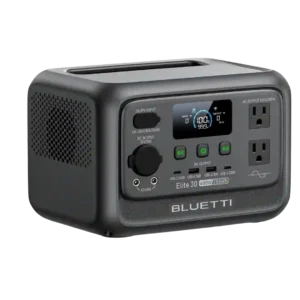
The capacity and 3,600W output make it a credible short-term home backup source for refrigeration, heating, networking, tools, and other essentials.
Pros: overall product satisfaction, recharge speed
Cons: weight, lifting ease
Overall: 4.4/5
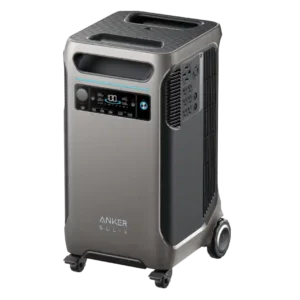
It is excellent for localized backup—routers, modems, CPAP machines, computers, lights, and phones. It is not a refrigerator-first or whole-home solution.
Pros: value for money, portability
Cons: battery capacity, standby power loss
Overall: 4.0/5
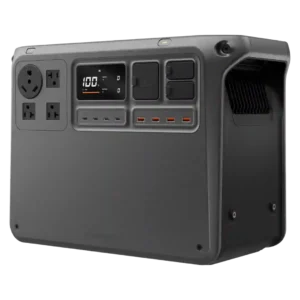
This is where the F3800 earns its strongest praise: it reliably keeps refrigerators, medical devices, lighting, internet, pumps, and even selected whole-home circuits operating. Base capacity is best for essentials...
Pros: overall product satisfaction, home backup capability
Cons: value for money, weight
Overall: 3.9/5
It proved highly capable for refrigerators, networking gear, computers, lights, and other essentials during outages.
Pros: noise level, power output
Cons: weight, accessory ecosystem
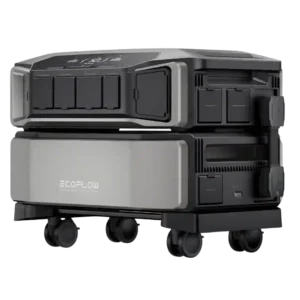
Overall: 3.9/5
Whole-home backup is the DPU’s defining use case and is praised across expert and customer sources. It can handle serious household loads, but one battery or one inverter may be...
Pros: overall product satisfaction, value for money
Cons: customer support, shipping speed
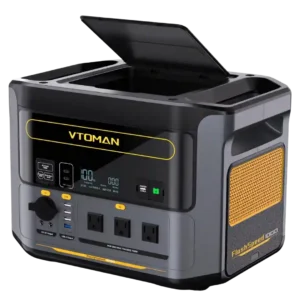
Overall: 4.4/5
It is well suited to short outages, keeping routers, computers, lights, refrigerators, and other essentials operating for several hours.
Pros: overall product satisfaction, AC charging speed
Cons: weight, display readability
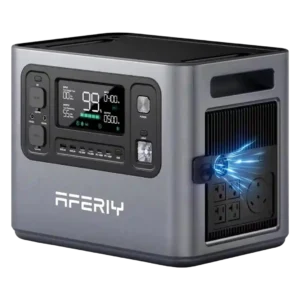
Overall: 4.5/5
The P280 is well suited to short outages, keeping refrigeration, internet, lights, and selected appliances running. Expansion batteries make longer backup periods far more practical.
Pros: overall product satisfaction, battery expandability
Cons: weight, built-in light
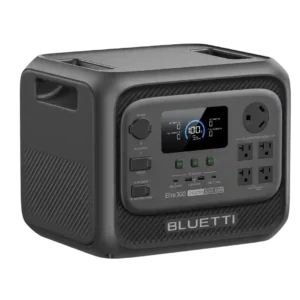
Overall: 4.3/5
It is highly effective for selected essentials such as refrigerators, routers, lights, computers, and kitchen appliances during short or medium outages.
Pros: compactness, load handling
Cons: weight, battery expandability
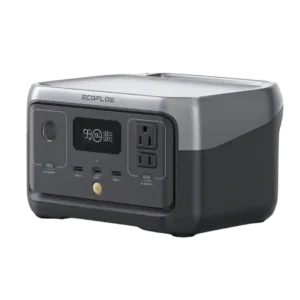
Overall: 4.0/5
It is effective for routers, lights, phones, and other essentials during short outages, but the small battery is not a substitute for whole-home or long-duration backup.
Pros: overall product satisfaction, AC charging speed
Cons: runtime, high-demand appliance support
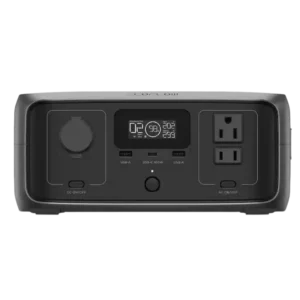
Overall: 4.2/5
The River 3 is excellent for localized backup of routers, lights, computers, and medical accessories, not whole-home power.
Pros: overall product satisfaction, portability
Cons: specification accuracy, display readability
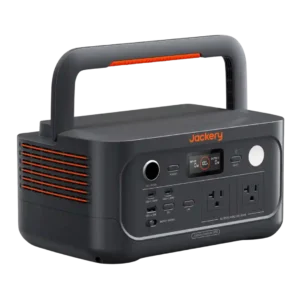
Overall: 4.1/5
For short blackouts, the station is well suited to routers, laptops, lights, and other essentials. Its capacity and output are too limited to replace a larger home-backup system.
Pros: overall product satisfaction, compactness
Cons: high-demand appliance support, app connectivity
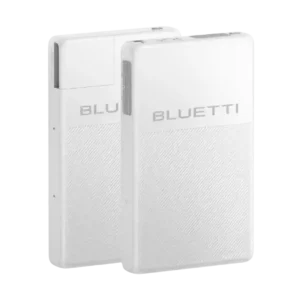
Overall: 4.2/5
It works well as targeted backup for a refrigerator, freezer, sump pump, aquarium, or medical device. It is most practical for renters and homes that do not need whole-house coverage.
Pros: overall product satisfaction, runtime
Cons: weight, DC output
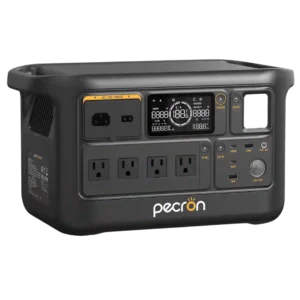
Overall: 4.2/5
The F1000 works well for essential backup loads such as refrigerators, lights, internet gear, and device charging, but it is not a whole-home system and one customer reported inadequate refrigerator...
Pros: overall product satisfaction, load handling
Cons: battery expandability, long-term reliability
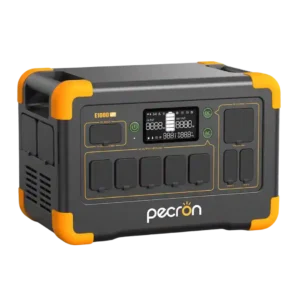
Overall: 4.0/5
It is well suited to basic outage loads such as refrigerators, lights, routers, and smaller appliances, but weak surge headroom and one severe overheating report make it less convincing for...
Pros: overall product satisfaction, value for money
Cons: standby power loss, surge capacity
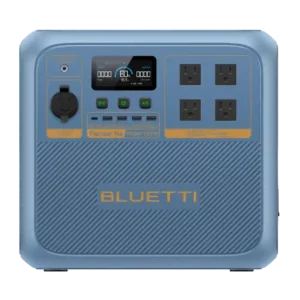
Overall: 3.9/5
The Pioneer Na works well for routers, lights, CPAPs, refrigeration, and other essentials during shorter outages. Its 900Wh battery is not intended for long whole-home backup.
Pros: overall product satisfaction, cold-weather performance
Cons: value for money, weight
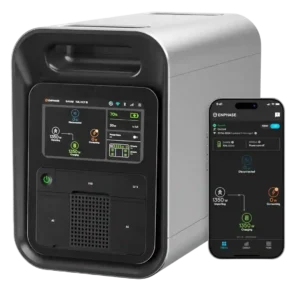
Overall: 3.8/5
It works well for refrigerators, routers, lights, and work equipment during short outages. It is not a critical-load-panel or whole-house solution.
Pros: display quality, overall product satisfaction
Cons: solar charging speed, weight
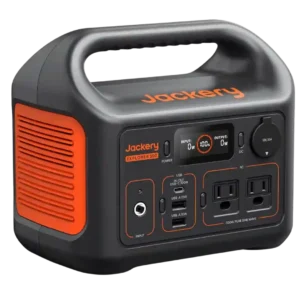
Overall: 4.2/5
It works well as light emergency backup for phones, routers, lights and computers, but it is not a whole-home or major-appliance solution.
Pros: overall product satisfaction, portability
Cons: high-demand appliance support, home backup capability
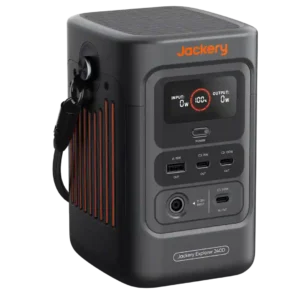
Overall: 4.3/5
The 240D is useful during short outages for phones, laptops, lights, cameras, and connectivity gear. It is not a substitute for appliance or whole-home backup.
Pros: value for money, compactness
Cons: high-demand appliance support, AC outlet count