#1
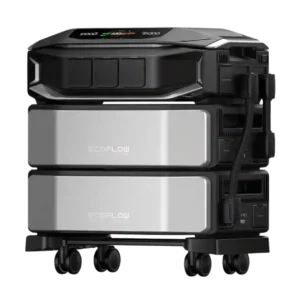
Whole-home backup is the product's strongest use case. Multiple reviewers describe seamless real-world outage coverage, including HVAC and other large loads, with the system behaving more like residential energy infrastructure...
Pros: output stability, voltage regulation
Cons: solar cable compatibility, UPS functionality
#2
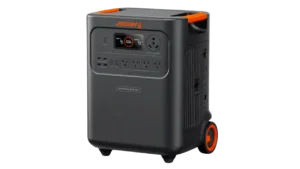
Home backup is the product’s clearest strength. Reviewers repeatedly found it capable of keeping refrigerators, networking gear, lights, and other essentials running through outages.
Pros: output stability, voltage regulation
Cons: DC output, 12-volt outlet
#3
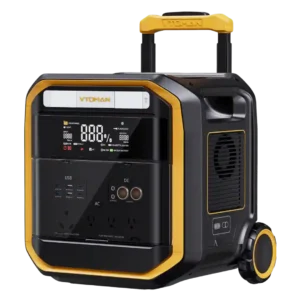
The capacity and 3,600W output make it a credible short-term home backup source for refrigeration, heating, networking, tools, and other essentials.
Pros: power output, surge capacity
Cons: specification accuracy, peak output
#4
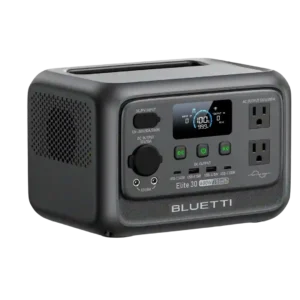
It is excellent for localized backup—routers, modems, CPAP machines, computers, lights, and phones. It is not a refrigerator-first or whole-home solution.
Pros: rated output, output stability
Cons: over-voltage protection, cold-weather performance
#5
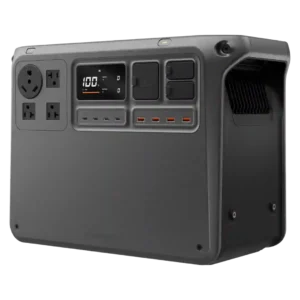
It proved highly capable for refrigerators, networking gear, computers, lights, and other essentials during outages.
Pros: rated output, peak output
Cons: startup reliability, full-load noise
#6
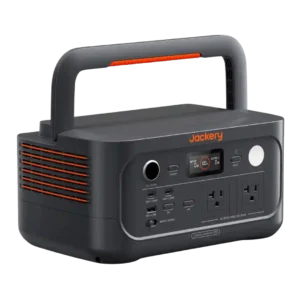
For short blackouts, the station is well suited to routers, laptops, lights, and other essentials. Its capacity and output are too limited to replace a larger home-backup system.
Pros: output stability, pure sine wave output
Cons: remaining runtime estimate, Bluetooth connectivity
#7
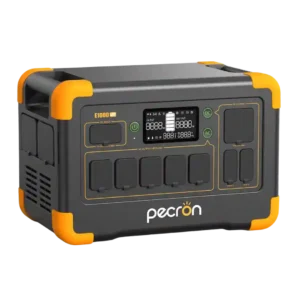
It is well suited to basic outage loads such as refrigerators, lights, routers, and smaller appliances, but weak surge headroom and one severe overheating report make it less convincing for...
Pros: inverter quality, LiFePO4 battery
Cons: idle noise, built-in light
#8
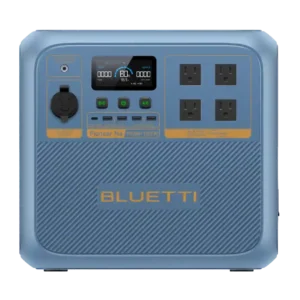
The Pioneer Na works well for routers, lights, CPAPs, refrigeration, and other essentials during shorter outages. Its 900Wh battery is not intended for long whole-home backup.
Pros: pure sine wave output, startup performance
Cons: MPPT controller performance, battery expandability
#9
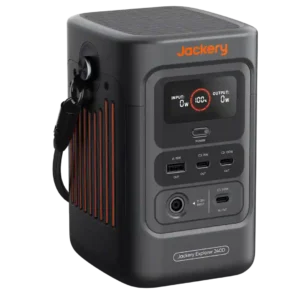
The 240D is useful during short outages for phones, laptops, lights, cameras, and connectivity gear. It is not a substitute for appliance or whole-home backup.
Pros: power output, rated output
Cons: AC outlet count, repairability
