Best for energy efficiency
Bluetti FridgePower
5.0 attribute score
Highest scored product for this attribute based on supporting review evidence.

Highest scored product for this attribute based on supporting review evidence.
Balances the attribute score, supporting reviews, and overall product strength.
Has the broadest review evidence for this attribute.
Strongest overall product among items with scored evidence for this attribute.
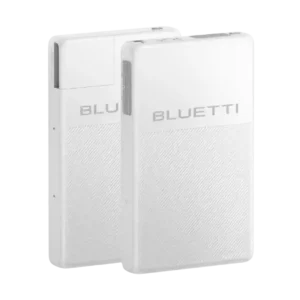
Efficiency is a recurring strength, especially during long standby periods and solar-supported operation. Tests showed the unit can preserve substantial charge overnight and recover well even through poor weather.
Pros: overall product satisfaction, runtime
Cons: weight, DC output
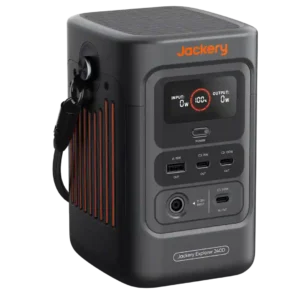
Skipping the AC inverter improves efficiency for USB devices by avoiding DC-to-AC-to-DC conversion. This is a central advantage of the 240D's design.
Pros: value for money, compactness
Cons: high-demand appliance support, AC outlet count
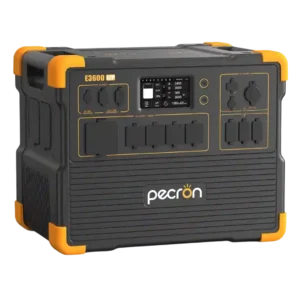
Independent high-load tests measured about 89% efficiency, a strong result for a large inverter.
Pros: overall product satisfaction, value for money
Cons: long-term reliability, noise level
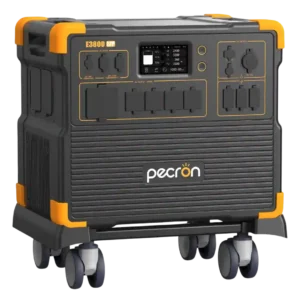
Measured AC efficiency around the mid-80s to low-90s is rated very highly by testers.
Pros: overall product satisfaction, value for money
Cons: weight, app quality
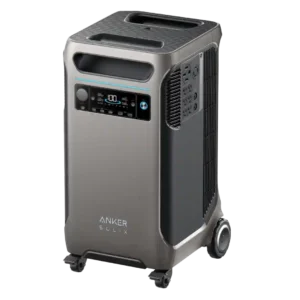
A smart home setup can shift solar energy and battery use away from expensive grid periods, creating potential everyday savings.
Pros: overall product satisfaction, home backup capability
Cons: value for money, weight
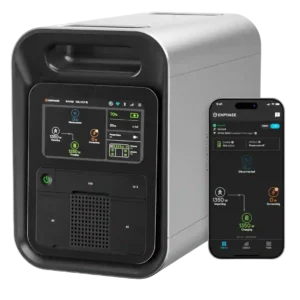
Efficient discharge and recharge behavior is presented as a core engineering strength.
Pros: display quality, overall product satisfaction
Cons: solar charging speed, weight
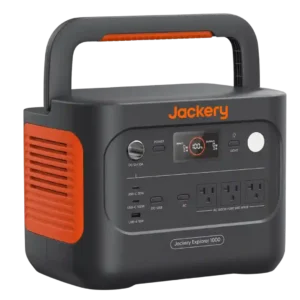
One direct comparison measured strong efficiency, placing the Jackery ahead of several competing power stations.
Pros: overall product satisfaction, AC charging speed
Cons: solar panel compatibility, solar cable compatibility
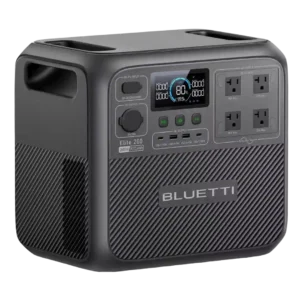
Exceptionally high discharge efficiency is one of the product's defining strengths, delivering more usable energy than many similarly sized rivals.
Pros: overall product satisfaction, value for money
Cons: weight, battery expandability
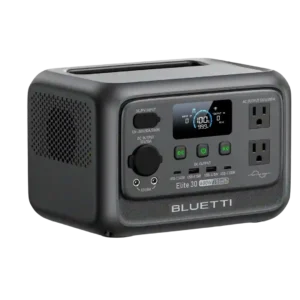
Measured usable energy is generally strong for the class, especially over DC. The efficiency advantage is partly offset by higher-than-expected idle consumption when outputs remain on.
Pros: value for money, portability
Cons: battery capacity, standby power loss
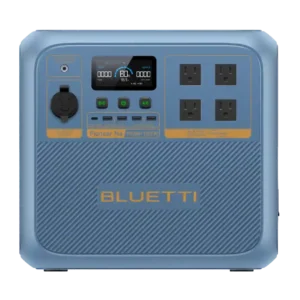
Measured usable efficiency is one of the Pioneer Na's standout strengths, with several reviewers recording unusually high AC and DC results.
Pros: overall product satisfaction, cold-weather performance
Cons: value for money, weight
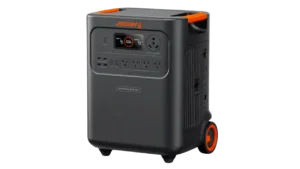
AC efficiency tested near the top of the class in several reviews, commonly around 89% to 95% usable conversion performance.
Pros: overall product satisfaction, portability
Cons: weight, solar charging speed
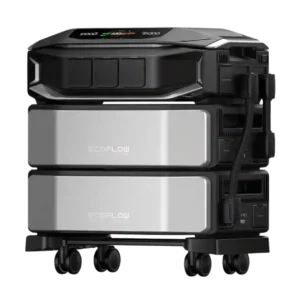
Efficiency is a major strength, combining high conversion performance with much lower idle draw than many similarly powerful systems. That matters during long standby periods and intermittent home loads.
Pros: power output, home backup capability
Cons: AC outlet count, UPS functionality
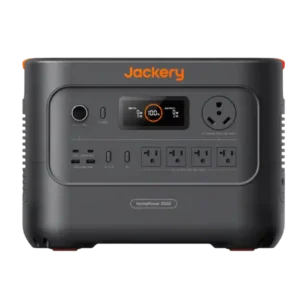
Off-peak scheduling and battery-saving features can improve everyday energy use and reduce unnecessary battery wear.
Pros: high-demand appliance support, overall product satisfaction
Cons: accessory ecosystem, charging input compatibility
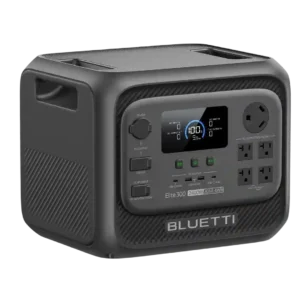
Measured AC efficiency was consistently strong, often around 86-94%, with several testers placing it above average or among the best large stations they had measured.
Pros: compactness, load handling
Cons: weight, battery expandability
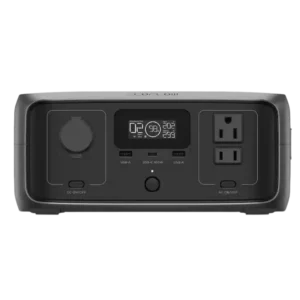
Measured AC efficiency around the mid-80% range is strong, and reviewers often note low heat loss.
Pros: overall product satisfaction, portability
Cons: specification accuracy, display readability
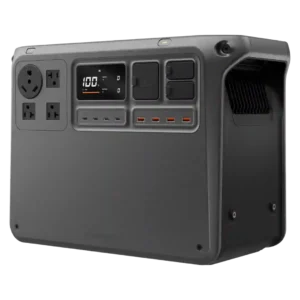
AC efficiency and idle consumption tested well for a station of this size, helping preserve more of the rated capacity.
Pros: noise level, power output
Cons: weight, accessory ecosystem
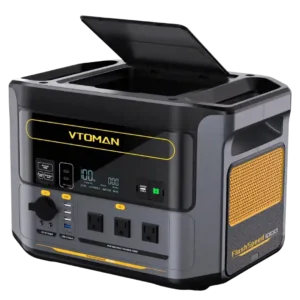
Technical testing found strong inverter efficiency near full load, while low-power devices consumed very little energy.
Pros: overall product satisfaction, AC charging speed
Cons: weight, display readability
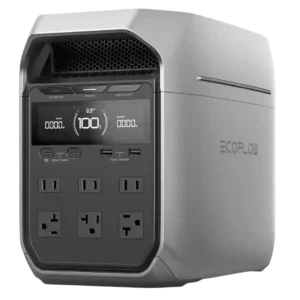
Measured discharge efficiency generally lands in the mid-to-high 80% range, which is good for a 1kWh station. One overheating test produced a merely average result.
Pros: overall product satisfaction, solar panel compatibility
Cons: long-term reliability, standby power loss
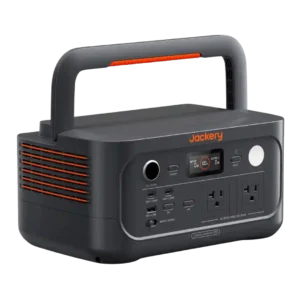
Direct USB-C charging avoids unnecessary DC-to-AC conversion losses, making laptop charging more efficient than using a mains adapter.
Pros: overall product satisfaction, compactness
Cons: high-demand appliance support, app connectivity
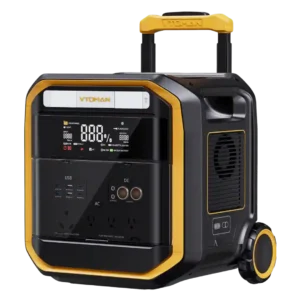
Low internal power consumption is presented as a strength, helping the station remain ready without wasting much stored energy.
Pros: overall product satisfaction, recharge speed
Cons: weight, lifting ease
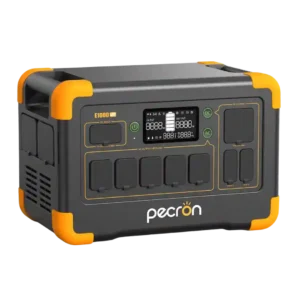
Usable efficiency is generally strong, often in the mid-80s to mid-90s depending on AC or DC output; the strongest DC results are excellent, though one run was merely average.
Pros: overall product satisfaction, value for money
Cons: standby power loss, surge capacity
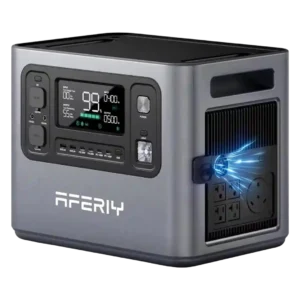
Usable-energy and low-load tests were generally solid, with efficient operation across both AC and DC use.
Pros: overall product satisfaction, battery expandability
Cons: weight, built-in light
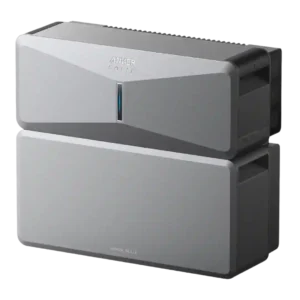
Measured round-trip and inverter efficiency landed in solid-to-above-average territory, competitive with other premium residential storage systems.
Pros: ease of setup, overall product satisfaction
Cons: display quality, accessory ecosystem
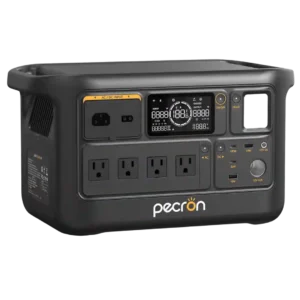
Around 80% efficiency under heavy AC loads was viewed as respectable for the inverter-to-battery balance rather than a weakness.
Pros: overall product satisfaction, load handling
Cons: battery expandability, long-term reliability
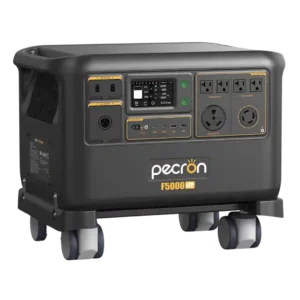
Conversion efficiency is mostly respectable for a power station of this size, with several tests landing in the mid-80% range or better. One reviewer is less impressed by losses relative...
Pros: overall product satisfaction, value for money
Cons: weight, wheel quality
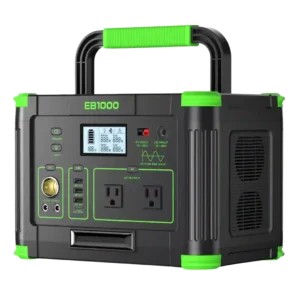
Efficiency is good with small DC and inverter loads, and one tester measured low idle drain. AC use and a troubled pass-through setup showed how quickly losses can rise.
Pros: overall product satisfaction, value for money
Cons: long-term reliability, recharge speed
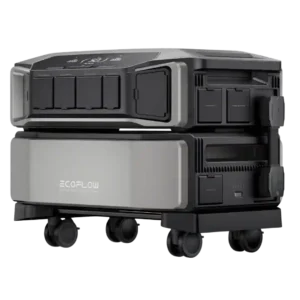
Efficiency results are mixed: one test found excellent discharge efficiency above many portable stations, while a long-term whole-home user measured only about 75–80% system efficiency.
Pros: overall product satisfaction, value for money
Cons: customer support, shipping speed
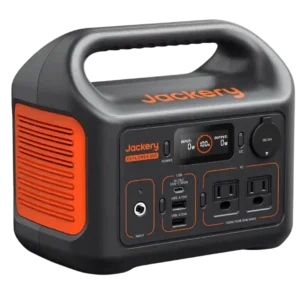
Efficiency is acceptable but not exceptional: AC conversion losses reduce usable runtime, while direct USB use avoids some of that waste.
Pros: overall product satisfaction, portability
Cons: high-demand appliance support, home backup capability
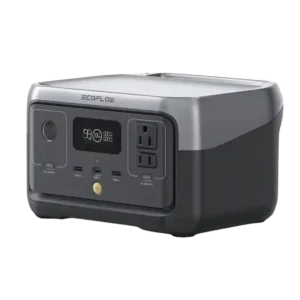
Efficiency is strongest on USB-C and DC loads, while AC round-trip results range from acceptable to disappointing for a small power station.
Pros: overall product satisfaction, AC charging speed
Cons: runtime, high-demand appliance support