If you want better USB-A ports
Choose Jackery Explorer 3000 v2. It scores 4.5 vs 1.0 for USB-A ports, with a 4.3 overall score.

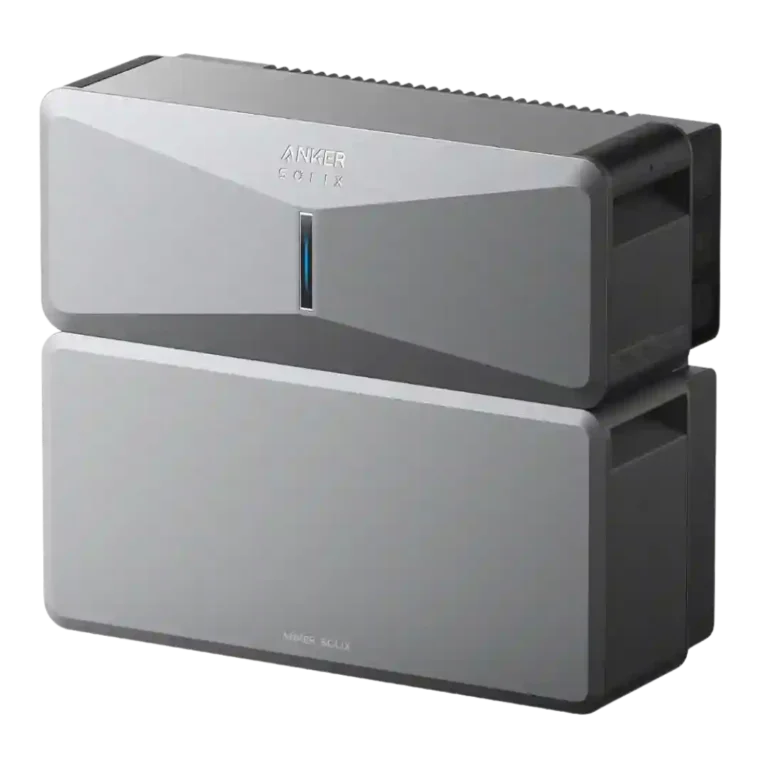
Choose the E10 if you want quiet, modular whole-home backup with exceptional surge power, solar headroom, and easy expansion. Skip it if you need portable-power-station conveniences, mature app controls, open accessory compatibility, or predictable low installation costs.
Homeowners who want quiet, scalable whole-home backup with strong solar integration, high surge capability, and optional generator support—especially in outage-prone areas or homes with large loads.
Buyers who want a truly portable power station, built-in outlets and USB ports, an open accessory ecosystem, or a simple purchase with predictable low installation costs.
The Anker SOLIX E10 stands out as a serious whole-home backup platform rather than a conventional portable power station. Across the supplied reviews, its strongest qualities are unusually high surge capability, generous solar input, quiet passive cooling, modular battery expansion, and seamless home-backup behavior when paired with the Power Dock. Reviewers repeatedly report large HVAC loads starting successfully and real outages passing with little or no interruption. The tradeoff is polish around the edges: the inverter lacks a useful local screen and built-in outlets, the ecosystem is proprietary, and app quality ranges from excellent to unfinished depending on configuration and review date. Installed cost can also climb quickly. For homeowners prioritizing scalable resilience, solar integration, and hands-off backup, the hardware is compelling; buyers seeking portability or a mature open ecosystem have better fits elsewhere.
Compared with other Generators, this product is above average in weather resistance, water resistance, whole-home integration, near average in value for money, ease of setup, below average in outlet selection, AC outlet count, display quality.
| Attribute | This product | Category average | Difference |
|---|---|---|---|
| outlet selection | 1.0 | 4.4 | -3.4 |
| AC outlet count | 1.0 | 3.9 | -2.9 |
| display quality | 1.7 | 4.4 | -2.8 |
| USB-C ports | 1.0 | 3.8 | -2.8 |
| AC charging speed | 2.0 | 4.5 | -2.5 |
| weather resistance | 5.0 | 2.7 | +2.3 |
| water resistance | 5.0 | 2.7 | +2.3 |
| USB-A ports | 1.0 | 3.3 | -2.3 |
Choose Jackery Explorer 3000 v2. It scores 4.5 vs 1.0 for USB-A ports, with a 4.3 overall score.
Choose Bluetti Elite 200 V2. It scores 4.7 vs 1.0 for outlet selection, with a 4.4 overall score.
Choose AFERIY P280. It scores 5.0 vs 1.7 for display quality, with a 4.5 overall score.
Choose EcoFlow Delta 3 Plus Review. It scores 5.0 vs 1.0 for AC outlet count, with a 4.6 overall score.
Products reviewers directly compared with this model, grouped into quick takeaways.
Yes. Multiple reviewers report real or simulated outages where the E10 kept household circuits running with little or no noticeable interruption, especially when paired with the Power Dock.
Yes. Reviewers repeatedly report strong surge behavior and successful startup of large HVAC loads, including 3-ton to 5-ton air conditioners.
The modular hardware, color-coded connections, and battery stacking are widely described as simple, but whole-home installation still requires an electrician and local permitting can add significant complexity or delay.
Opinions are mixed. Some users praise the clean interface and detailed energy controls, while others found missing settings, confusing scheduling, and app-only diagnostics frustrating.
Not in the same sense as a typical power station. It is mainly a fixed home-backup system, although its modular pieces and optional trolley can make relocation or occasional movement possible.
It makes the strongest case for outage-prone homes, solar users, and people who value modular expansion. Total value depends heavily on battery count, Power Dock hardware, electrician costs, and local utility rates.
These are a few of the reviews included in our analysis.





Anker SOLIX E10 review: we wired it into a real home and tested whole-home backup, install effort and the app. Is this the best battery...
Anker SOLIX E10 full system review: we ran the complete setup through a real install and whole-home backup. A true home backup solution, or...
Anker SOLIX E10 vs EcoFlow DELTA Pro Ultra: we compared install, capacity and real backup performance. Which home backup power system comes...
Amazingly, the Anker Solix E10 is a highly customizable, all-in-one expandable home battery system with solar input and connection to a...
Anker's Solix E10 made backup power understandable for this first-timer, and I can't wait to expand the system.
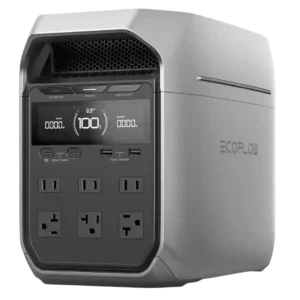
Best for rapid charging, versatile ports, excellent app control, and portable backup for appliances or electronics. Skip it for unattended low-load use or sustained heavy loads unless fan behavior and...
Pros: rated output, peak output
Cons: 30-amp output, parallel operation support
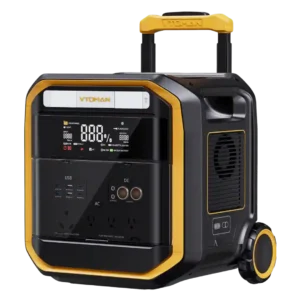
Best for fast-charging, high-output backup power that can run major appliances and roll easily between locations. Skip it if you need frequent lifting, a small footprint, or a screen that...
Pros: power output, surge capacity
Cons: specification accuracy, peak output
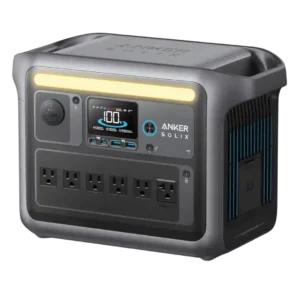
Best for fast charging, strong portable output, and short outage or camping duty. Skip it for quiet rooms, multi-day whole-home backup, or solar-only use with small panels.
Pros: power output, rated output
Cons: dual-input charging, cable storage
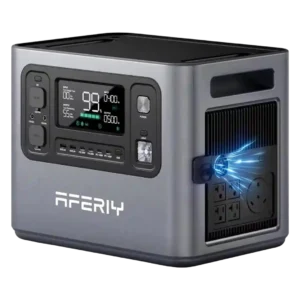
Choose the P280 for high-output home, RV, or off-grid backup with fast charging, strong usable capacity, UPS protection, and expansion. Skip it if you need lightweight portability, polished app control,...
Pros: rated output, peak output
Cons: app connectivity, voltage regulation