If you want better simultaneous device support
Choose Grecell T-1000. It scores 5.0 vs 2.0 for simultaneous device support, with a 4.1 overall score.

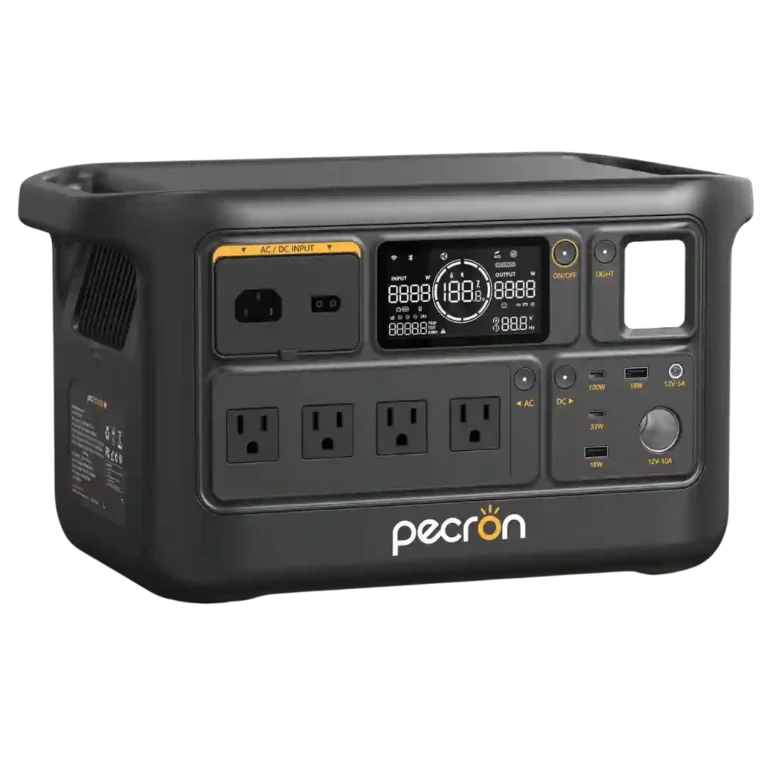
Choose the Pecron F1000LFP for fast charging, clean 1,500W-class output, excellent portability, and unusually strong value. Skip it if you need expandable capacity, dependable sub-freezing operation, or cannot tolerate the reliability risk raised by several Err25 failures.
Budget-conscious buyers who want a portable 1kWh station for camping, refrigerator backup, electronics, moderate tools, and quick recharging.
Buyers needing whole-home backup, expandable capacity, dependable below-freezing charging, or sustained loads beyond 1,500W; reliability-sensitive buyers may also be wary of the Err25 reports.
The F1000LFP stands out for delivering a lot of practical capability in a compact, roughly 24-pound package. Across hands-on testing, its 1,500W inverter handled many appliances and tools, produced a very clean sine wave, and recharged from AC in about an hour, with strong solar performance as well. The front-facing ports, readable display, built-in light, UPS behavior, and generally capable app make it easy to live with, while pricing is repeatedly praised as excellent. The tradeoffs are meaningful: the battery cannot be expanded, the 60V solar-input ceiling can restrict panel choices, and several customers reported serious Err25 or zero-output failures. That reliability concern prevents an otherwise unusually capable budget station from being an uncomplicated recommendation.
Compared with other Generators, this product is above average in built-in light, car charging speed, weight, near average in overall product satisfaction, power quality, below average in simultaneous device support, long-term reliability, whole-home integration.
| Attribute | This product | Category average | Difference |
|---|---|---|---|
| simultaneous device support | 2.0 | 4.7 | -2.7 |
| long-term reliability | 1.5 | 4.0 | -2.5 |
| whole-home integration | 1.0 | 3.3 | -2.3 |
| built-in light | 4.6 | 2.6 | +2.0 |
| durability | 2.0 | 4.2 | -2.2 |
| car charging speed | 5.0 | 2.9 | +2.1 |
| weight | 5.0 | 3.2 | +1.8 |
| app privacy | 1.0 | 3.1 | -2.1 |
Choose Grecell T-1000. It scores 5.0 vs 2.0 for simultaneous device support, with a 4.1 overall score.
Choose Bluetti FridgePower. It scores 5.0 vs 1.0 for startup reliability, with a 4.2 overall score.
Choose Pecron E1000LFP. It scores 4.6 vs 1.6 for battery expandability, with a 4.0 overall score.
Choose EcoFlow River 2. It scores 5.0 vs 2.0 for housing durability, with a 4.0 overall score.
Products reviewers directly compared with this model, grouped into quick takeaways.
Hands-on tests repeatedly reached a full charge in about an hour, including one measured 0-100% result of 58 minutes. The AC charge rate can also be reduced when a circuit cannot comfortably supply the full input.
Yes in several expert tests, with reported refrigerator runs ranging from roughly 12 to more than 18 hours depending on the fridge and load. One customer reported overload problems with a regular-size refrigerator, so appliance startup demand still matters.
No. Reviewers consistently note that the F1000LFP has no expansion-battery port, so its roughly 1kWh capacity is fixed.
Solar charging is a strength, with up to 600W input and successful fast-charge testing. The 60V input ceiling and 14A limit mean panel voltage and wiring configuration need to be chosen carefully.
Multiple tests showed very fast switchover with computers, a laptop, and a 3D printer staying powered without visible interruption. Reviewers still note that the stated transfer time is not aimed at the most sensitive zero-interruption equipment.
At light loads it is generally described as quiet, and some reviewers barely heard the fans. Under heavy loads the fans become more noticeable, and one customer found the fan unusually noisy.
These are a few of the reviews included in our analysis.


We tested the $300 Pecron F1000LFP: 1,004Wh, a 1,500W inverter, fast charging & a built-in light. See its pros, cons & whether it's the best...
Our Pecron F1000LFP 1500W 960Wh review: 960Wh, 1,500W output, $0.56 per Wh. Calculated runtimes for a fridge, CPAP and laptop, the full spec...
Review Pecron F1000LFP specifications, including 960 Wh battery capacity and 1,500 W continuous output, plus charging, outlets, Peer Rating...
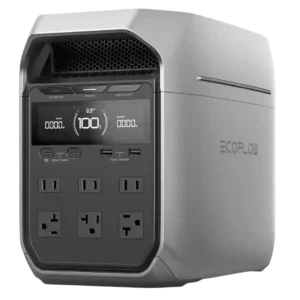
Best for rapid charging, versatile ports, excellent app control, and portable backup for appliances or electronics. Skip it for unattended low-load use or sustained heavy loads unless fan behavior and...
Pros: rated output, peak output
Cons: 30-amp output, parallel operation support
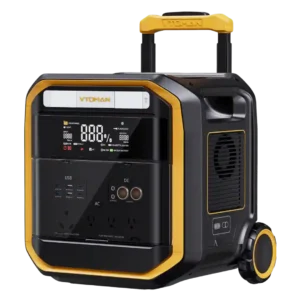
Best for fast-charging, high-output backup power that can run major appliances and roll easily between locations. Skip it if you need frequent lifting, a small footprint, or a screen that...
Pros: power output, surge capacity
Cons: specification accuracy, peak output
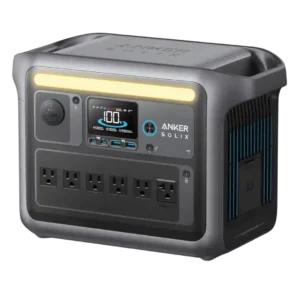
Best for fast charging, strong portable output, and short outage or camping duty. Skip it for quiet rooms, multi-day whole-home backup, or solar-only use with small panels.
Pros: power output, rated output
Cons: dual-input charging, cable storage
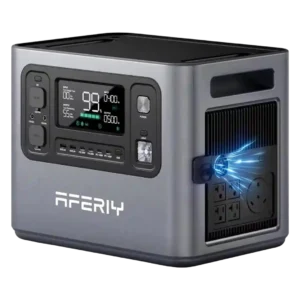
Choose the P280 for high-output home, RV, or off-grid backup with fast charging, strong usable capacity, UPS protection, and expansion. Skip it if you need lightweight portability, polished app control,...
Pros: rated output, peak output
Cons: app connectivity, voltage regulation