If you want better specification accuracy
Choose Pecron F5000LFP. It scores 5.0 vs 1.0 for specification accuracy, with a 4.3 overall score.

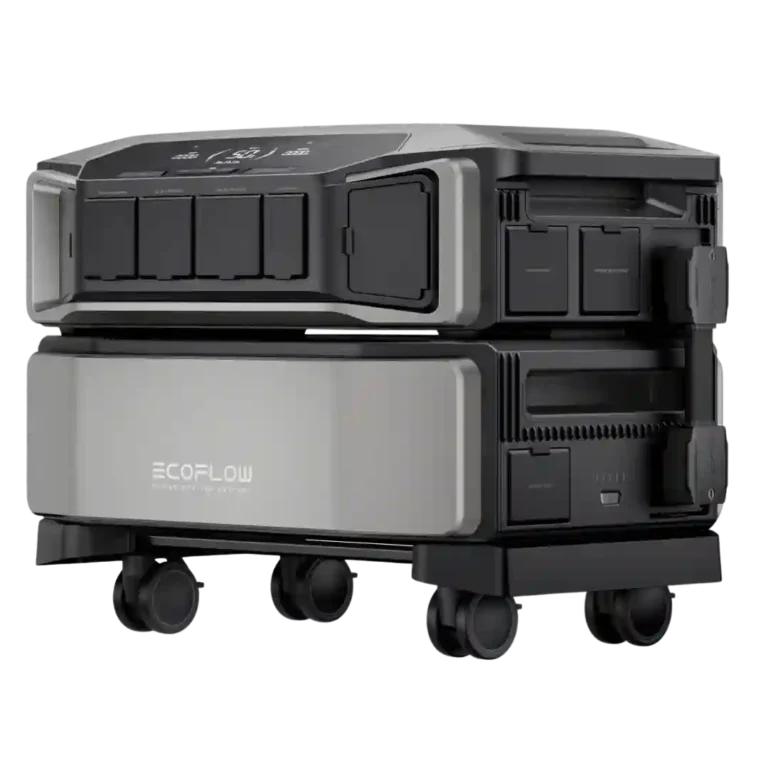
Choose it if you need quiet 240V whole-home backup, rapid charging, and expandable storage. Skip it for essentials-only use, frequent carrying, or if premium pricing and uneven support are deal-breakers.
Best for homeowners who genuinely need 240V whole-home backup, heavy-appliance support, quiet indoor operation, and a system they can expand over time.
Not ideal for buyers who only need essential 120V loads, expect easy carrying, want the lowest upfront cost, or are uncomfortable with possible support and reliability friction.
The EcoFlow Delta Pro Ultra stands out for unusually strong 240V whole-home capability, fast AC charging, quiet operation, and a modular battery system that can grow far beyond a typical portable power station. Reviewers consistently praise its ability to run demanding loads and integrate with EcoFlow’s Smart Home Panel, while the app and energy monitoring are usually strong. The tradeoff is that this is only portable in a loose sense: the modules are extremely heavy, large installations need real floor space, and whole-home integration may require professional electrical work. Value also depends heavily on need. Buyers who need central-AC-class output and expansion can justify the premium, but lighter backup users can spend much less. Reliability and customer support are the biggest uncertainties, with several owners reporting serious failures, slow warranty handling, or incomplete deliveries.
Compared with other Generators, this product is above average in water resistance, battery expandability, cold-weather performance, near average in app quality, home backup capability, below average in firmware updates, instruction quality, specification accuracy.
| Attribute | This product | Category average | Difference |
|---|---|---|---|
| firmware updates | 1.0 | 3.7 | -2.7 |
| instruction quality | 1.0 | 3.3 | -2.3 |
| water resistance | 5.0 | 2.7 | +2.3 |
| specification accuracy | 1.0 | 3.3 | -2.3 |
| size and footprint | 2.0 | 4.3 | -2.3 |
| 12-volt outlet | 1.5 | 3.7 | -2.2 |
| battery expandability | 5.0 | 3.3 | +1.7 |
| customer support | 1.9 | 3.6 | -1.7 |
Choose Pecron F5000LFP. It scores 5.0 vs 1.0 for specification accuracy, with a 4.3 overall score.
Choose Bluetti Elite 200 V2. It scores 5.0 vs 1.0 for instruction quality, with a 4.4 overall score.
Choose EcoFlow Delta Pro Ultra X. It scores 4.5 vs 1.9 for customer support, with a 4.4 overall score.
Choose Jackery HomePower 3600 Plus. It scores 5.0 vs 2.4 for long-term reliability, with a 4.4 overall score.
Products reviewers directly compared with this model, grouped into quick takeaways.
Yes, that is its strongest use case. Reviewers report strong 240V output and heavy-load capability, but extended whole-home runtime often requires extra batteries and proper panel integration.
Only partly. The modular design, wheels, and carts help, but the inverter and batteries are very heavy and many reviewers treat it as a semi-permanent garage or utility-room system.
AC charging is widely praised, with high-power 240V charging capable of very fast replenishment. Solar charging is also strong, though some competing systems offer more input.
Usually yes. Most reviewers like the app’s controls, monitoring, and energy data, though a few report beta-software gaps, excessive hands-on management, or system errors.
It can be for buyers who need 240V output, whole-home integration, and long-term expansion. For essentials-only backup, several reviewers say smaller or DIY alternatives cost much less.
Weight, premium pricing, and uneven customer support are the most repeated concerns. A smaller group of owners also report inverter, display, firmware, charging, or delivery problems.
These are a few of the reviews included in our analysis.



Anker SOLIX E10 vs EcoFlow DELTA Pro Ultra: we compared install, capacity and real backup performance. Which home backup power system comes...
This guide compares the EcoFlow DELTA Pro Ultra and Pecron F5000 to find out which power station is the best option for home backup.
EcoFlow DELTA Pro Ultra review: our results surprised us. See how it handled real home backup, install and daily use, and why it's not what...
EcoFlow DELTA Pro Ultra vs Ultra X: we compared capacity, solar input and home backup side by side. Which of these two power stations is better?
The EcoFlow Delta Pro Ultra starts at 6kWh and scales to 90kWh with a Smart Home Panel — a genuine whole-home backup system, not a portable...
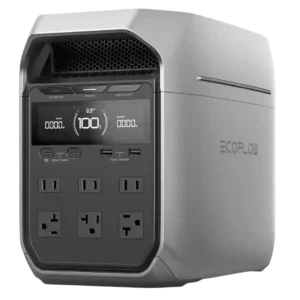
Best for rapid charging, versatile ports, excellent app control, and portable backup for appliances or electronics. Skip it for unattended low-load use or sustained heavy loads unless fan behavior and...
Pros: rated output, peak output
Cons: 30-amp output, parallel operation support
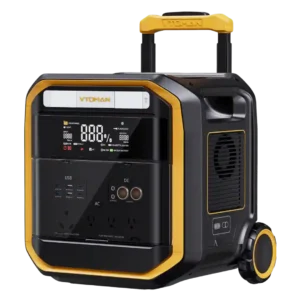
Best for fast-charging, high-output backup power that can run major appliances and roll easily between locations. Skip it if you need frequent lifting, a small footprint, or a screen that...
Pros: power output, surge capacity
Cons: specification accuracy, peak output
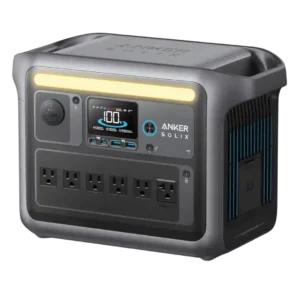
Best for fast charging, strong portable output, and short outage or camping duty. Skip it for quiet rooms, multi-day whole-home backup, or solar-only use with small panels.
Pros: power output, rated output
Cons: dual-input charging, cable storage
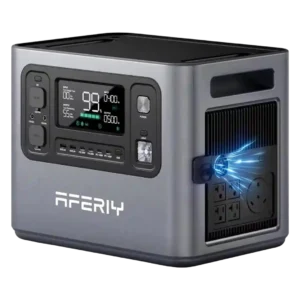
Choose the P280 for high-output home, RV, or off-grid backup with fast charging, strong usable capacity, UPS protection, and expansion. Skip it if you need lightweight portability, polished app control,...
Pros: rated output, peak output
Cons: app connectivity, voltage regulation