Best for solar charging speed
EcoFlow Delta Pro Ultra X
5.0 attribute score
Highest scored product for this attribute based on supporting review evidence.

Highest scored product for this attribute based on supporting review evidence.
Balances the attribute score, supporting reviews, and overall product strength.
Has the broadest review evidence for this attribute.
Strongest overall product among items with scored evidence for this attribute.
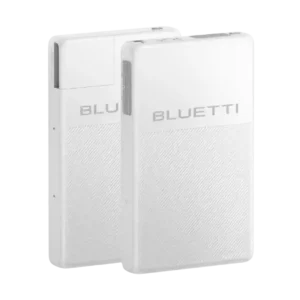
A 350W panel restored the overnight loss in about an hour of good sun and maintained charge through mixed weather. Solar recovery is excellent for the product’s intended load.
Pros: overall product satisfaction, runtime
Cons: weight, DC output
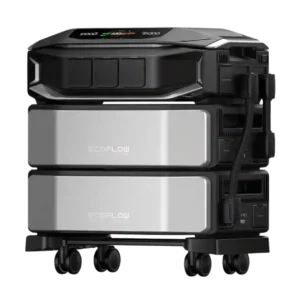
A large array can refill the system at very high speed, and testers report the 10kW solar capability as a major step toward practical daily solar operation.
Pros: power output, home backup capability
Cons: AC outlet count, UPS functionality
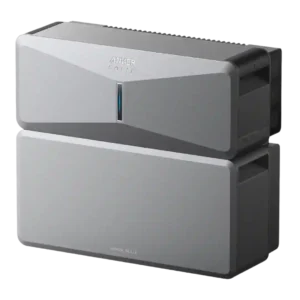
With a large array connected, reviewers found the E10 capable of replenishing a multi-battery stack very quickly each day.
Pros: ease of setup, overall product satisfaction
Cons: display quality, accessory ecosystem
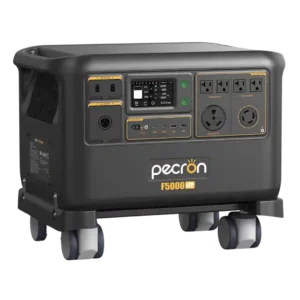
Solar recharge is exceptionally fast with a suitably large array, with reviewers repeatedly describing sub-two-hour and even near-one-hour potential. Real-world speed still depends on sun, array size, and voltage configuration.
Pros: overall product satisfaction, value for money
Cons: weight, wheel quality
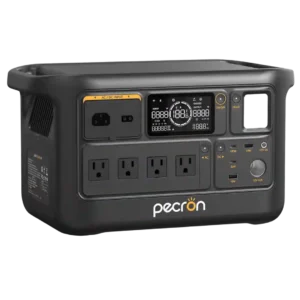
Solar charging is a standout when paired with suitable panels, with strong input rates and full-charge times that can approach roughly 1.5 hours under favorable conditions.
Pros: overall product satisfaction, load handling
Cons: battery expandability, long-term reliability

Solar charging is well matched to the battery size, with a 100W panel producing practical full-day recharge times and clear gains over the previous generation.
Pros: overall product satisfaction, compactness
Cons: high-demand appliance support, app connectivity
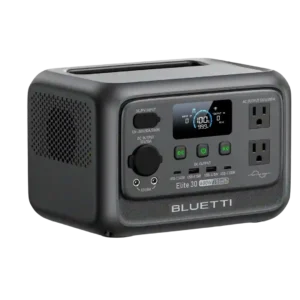
With a compatible panel and decent sun, the small battery can recharge in roughly two to four hours. Performance remains respectable in imperfect weather.
Pros: value for money, portability
Cons: battery capacity, standby power loss
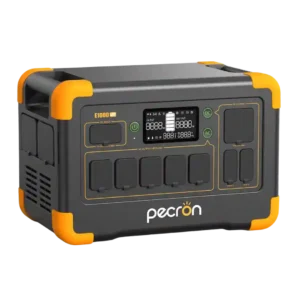
With enough panel power, a full solar recharge can take roughly two to two-and-a-half hours, which is strong for a 1kWh-class station.
Pros: overall product satisfaction, value for money
Cons: standby power loss, surge capacity
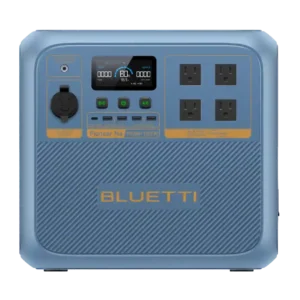
Solar charging performs well for the battery size, including strong real-world results in imperfect weather, though the 500W ceiling prevents faster recovery.
Pros: overall product satisfaction, cold-weather performance
Cons: value for money, weight
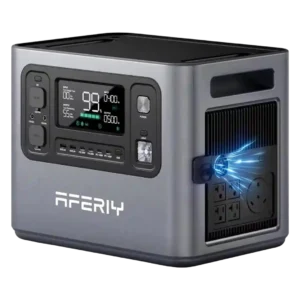
With enough panel capacity, solar charging can be very fast and approached 1kW in imperfect conditions. Small bundled panels require far longer.
Pros: overall product satisfaction, battery expandability
Cons: weight, built-in light
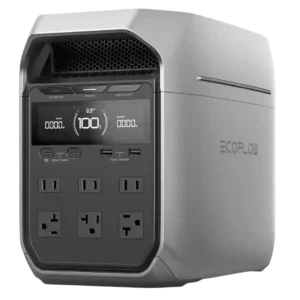
Dual solar inputs can recharge the station very quickly under a strong array, but a few off-grid users reported slow charging or failure to restart after depletion.
Pros: overall product satisfaction, solar panel compatibility
Cons: long-term reliability, standby power loss
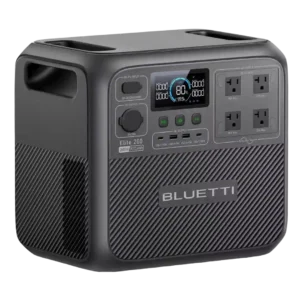
Solar charging can be very fast with adequate panels and sun, though clouds, panel limits, and occasional faults produce wide variation.
Pros: overall product satisfaction, value for money
Cons: weight, battery expandability
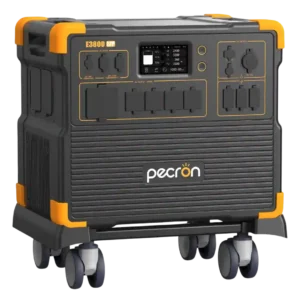
Solar charging is consistently praised as fast when the array and sun are adequate.
Pros: overall product satisfaction, value for money
Cons: weight, app quality
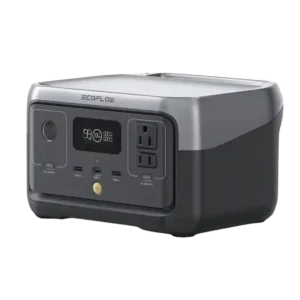
With a well-matched 100-110W panel and good sun, a full recharge commonly takes about three to four hours, though real weather can slow it dramatically.
Pros: overall product satisfaction, AC charging speed
Cons: runtime, high-demand appliance support
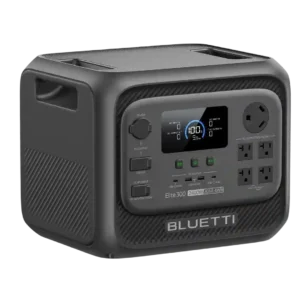
With sufficient panels and good sun, solar charging is practical and can restore the battery in roughly three to four hours. Smaller arrays still meaningfully extend outdoor runtime.
Pros: compactness, load handling
Cons: weight, battery expandability
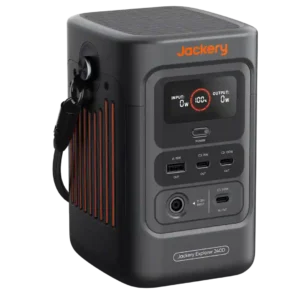
A good 100W panel can refill the 240D in roughly three to four hours under strong sun. Cloud cover and older lower-input models stretch that substantially.
Pros: value for money, compactness
Cons: high-demand appliance support, AC outlet count
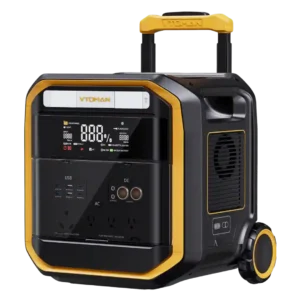
Solar refill times of roughly five to eight hours under good conditions are considered respectable for such a large battery.
Pros: overall product satisfaction, recharge speed
Cons: weight, lifting ease
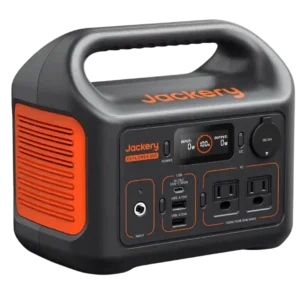
Solar charging is usually practical in good sun, commonly taking about five to six hours, with faster results possible from optimized setups.
Pros: overall product satisfaction, portability
Cons: high-demand appliance support, home backup capability

With 200–400W panels and strong sun, recharge times around five to six hours are realistic; a 110W panel is far slower.
Pros: overall product satisfaction, AC charging speed
Cons: weight, display readability
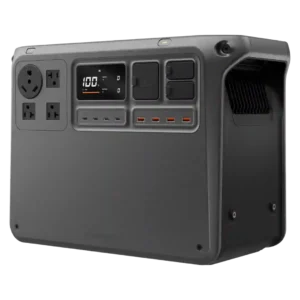
With sufficient panels and the right adapters, solar input can be exceptionally fast; small panels and weak conditions produce much slower results.
Pros: noise level, power output
Cons: weight, accessory ecosystem

Good sun and enough panel wattage can refill it in a day or less, while clouds, winter light, and the input ceiling slow results considerably.
Pros: overall product satisfaction, AC charging speed
Cons: solar panel compatibility, solar cable compatibility
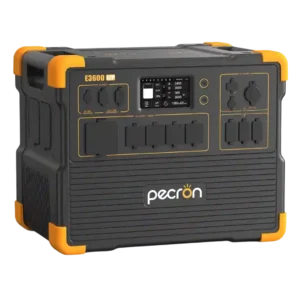
Solar charging can be extremely fast with a proper array, though defective units and input-reporting issues create uneven experiences.
Pros: overall product satisfaction, value for money
Cons: long-term reliability, noise level
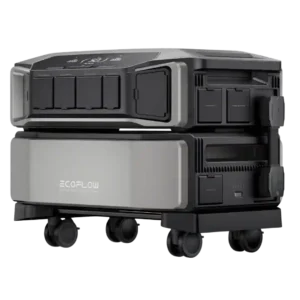
Solar charging is capable and highly useful, but not always class-leading relative to battery size or newer competitors. Owners still value solar as the best way to extend outage runtime...
Pros: overall product satisfaction, value for money
Cons: customer support, shipping speed
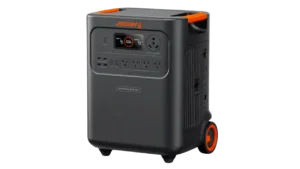
Solar charging is the most mixed part of the system: it works well for modest recovery, but the 1,000W ceiling and smaller bundles can make full recovery slow.
Pros: overall product satisfaction, portability
Cons: weight, solar charging speed
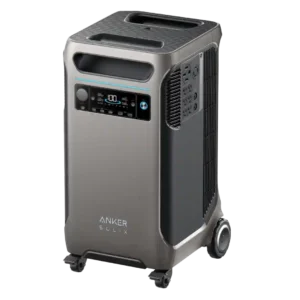
Solar performance ranges from very fast with a well-matched large array to frustratingly slow with one portable panel. Real-world results depend heavily on panel voltage, wiring, weather, and the input...
Pros: overall product satisfaction, home backup capability
Cons: value for money, weight
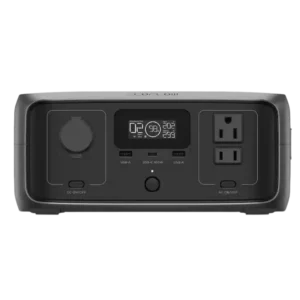
With a suitable panel and good sun, solar charging is workable in roughly three hours. The low input ceiling, small bundled panel, and a few reliability complaints keep it from...
Pros: overall product satisfaction, portability
Cons: specification accuracy, display readability
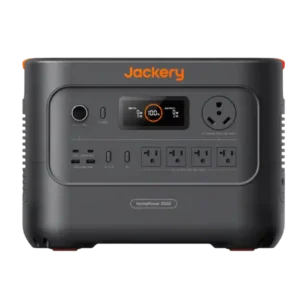
Solar charging is workable but highly setup-dependent. A large array can recharge it quickly, while one or two 200W panels may take most of a day or longer.
Pros: high-demand appliance support, overall product satisfaction
Cons: accessory ecosystem, charging input compatibility
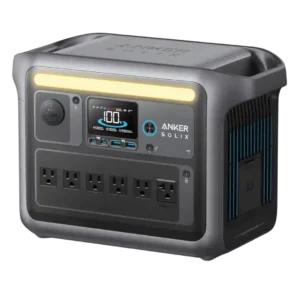
Solar results vary widely with panel quality, angle, weather, and voltage. Properly matched 400–600W arrays can be fast, while small portable panels may take days.
Pros: overall product satisfaction, runtime
Cons: noise level, weight
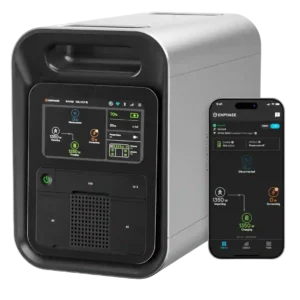
Solar performance is mixed. Two panels can recharge it in about four hours under good sun, but the low 440 W ceiling makes cloudy-day and single-panel charging slow.
Pros: display quality, overall product satisfaction
Cons: solar charging speed, weight
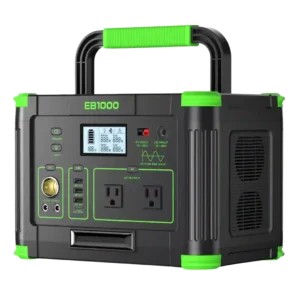
Solar charging works, but the low input ceiling commonly stretches a full recharge to six to nine hours and can take much longer than claimed in real conditions.
Pros: overall product satisfaction, value for money
Cons: long-term reliability, recharge speed