If you want better MPPT controller performance
Choose Jackery Explorer 1000 V2. It scores 5.0 vs 1.0 for MPPT controller performance, with a 4.4 overall score.

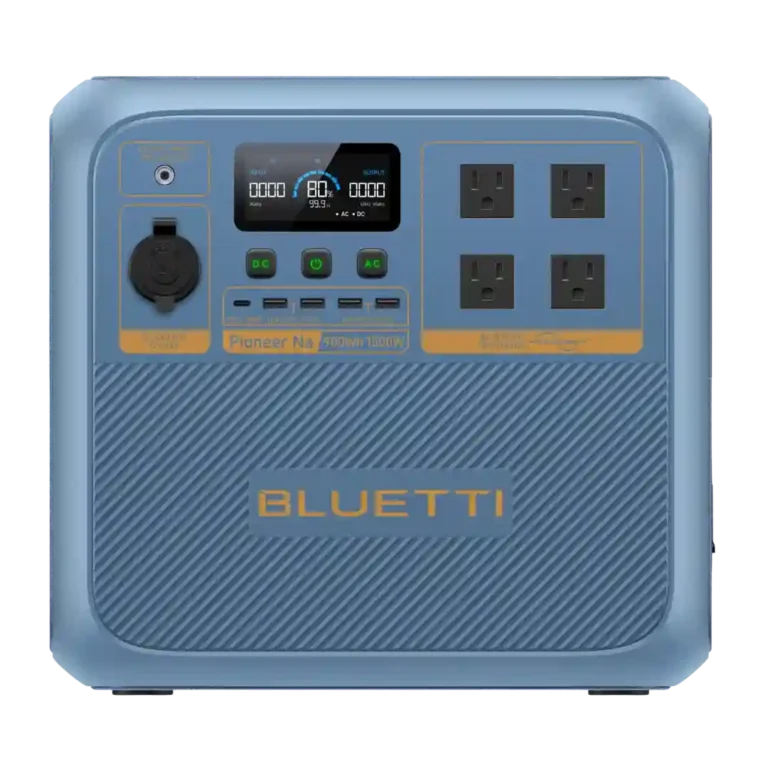
Choose it for reliable subzero power, fast recharging, and excellent usable efficiency. Skip it if you prioritize maximum capacity per dollar, low weight, modern USB-C connectivity, or weather-sealed ruggedness.
Best for winter campers, RV and van users, unheated cabins or garages, outdoor work, and emergency backup where reliable subzero operation matters more than minimum weight.
Not ideal for temperate-climate shoppers focused on capacity per dollar, frequent long carries, heavy weather exposure, lots of USB-C devices, or full remote Wi-Fi monitoring.
The Pioneer Na makes its case on one capability that testing repeatedly validates: it keeps working and can still accept charge in temperatures that sideline many lithium stations. Normal-temperature charging is fast, usable capacity and standby efficiency are excellent, and the 1,500W inverter handles a surprisingly broad range of appliances. The compromises are first-generation ones. At roughly 35 pounds for 900Wh, it is bulky and heavy, the USB mix is dated, Wi-Fi is limited or absent, and exposed snow or condensation can undermine its winter-ready positioning. Drop tests also raise questions about ruggedness, while very cold charging throttles dramatically. For buyers who genuinely operate in freezing garages, vans, cabins, or camps, those tradeoffs can be justified. In temperate use, cheaper and lighter LFP alternatives often offer better capacity and value.
Compared with other Generators, this product is above average in startup reliability, off-gassing odor, wireless charging, near average in overall product satisfaction, portability, below average in MPPT controller performance, durability, impact resistance.
| Attribute | This product | Category average | Difference |
|---|---|---|---|
| MPPT controller performance | 1.0 | 4.3 | -3.3 |
| durability | 1.7 | 4.2 | -2.5 |
| impact resistance | 1.5 | 4.0 | -2.5 |
| startup reliability | 5.0 | 2.5 | +2.5 |
| housing durability | 1.5 | 3.9 | -2.4 |
| size and footprint | 2.3 | 4.3 | -2.0 |
| electromagnetic interference | 1.3 | 3.5 | -2.3 |
| off-gassing odor | 5.0 | 2.8 | +2.2 |
Choose Jackery Explorer 1000 V2. It scores 5.0 vs 1.0 for MPPT controller performance, with a 4.4 overall score.
Choose EcoFlow River 2. It scores 5.0 vs 1.5 for housing durability, with a 4.0 overall score.
Choose EcoFlow Delta 3 Plus Review. It scores 5.0 vs 1.3 for battery expandability, with a 4.6 overall score.
Choose Bluetti FridgePower. It scores 5.0 vs 1.5 for expandability, with a 4.2 overall score.
Products reviewers directly compared with this model, grouped into quick takeaways.
Yes. Multiple freezer and cold-weather tests found that it could still discharge and accept charge below freezing, though very low temperatures reduce capacity and can sharply throttle charging speed.
At normal temperatures, reviewers commonly measured roughly an hour or less on fast AC charging. The fastest 0-80% results use combined AC and solar input; deep-cold charging can take several hours.
It is well suited to short outages and essentials such as routers, lights, laptops, and some refrigerators. Reviewers do not consider 900Wh enough for long outages or large whole-home loads.
Built-in handles help, but reviewers repeatedly call the roughly 35-pound station heavy and bulky for its 900Wh capacity. It is portable for short moves, not something most people would want to carry far.
Cold operation is excellent, but weather sealing is a weakness. Testing found snow, ice, and condensation could collect around fans and ports, with condensation sometimes triggering a protective shutdown.
The app is generally useful, but the Pioneer Na relies mainly on close-range Bluetooth and lacks dependable Wi-Fi remote access. That limits monitoring when you are away from the unit.
These are a few of the reviews included in our analysis.

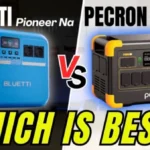
Bluetti Pioneer Na review: we tested its sodium-ion battery and how it holds up in the cold. Is sodium-ion ready for cold-climate backup power?
The Zendure Ace 1500 is a portable power hub that handles energy conversion and distribution but ships with no battery at all: its capacity...
Based on the provided testing, the Pioneer NA stands out for exceptional AC and DC efficiency, very fast recharge performance, and unusually...
Bluetti Pioneer Na review: specs, price, capacity and real-world tests. See if this new mid-range Bluetti is worth buying in 2026.
Did the Bluetti Pioneer Na keep working in the freezing cold when most batteries would give up? I tested it to find out.
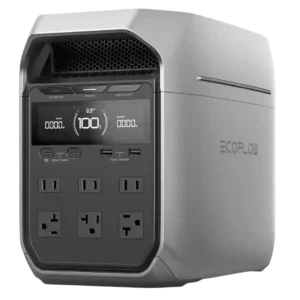
Best for rapid charging, versatile ports, excellent app control, and portable backup for appliances or electronics. Skip it for unattended low-load use or sustained heavy loads unless fan behavior and...
Pros: rated output, peak output
Cons: 30-amp output, parallel operation support
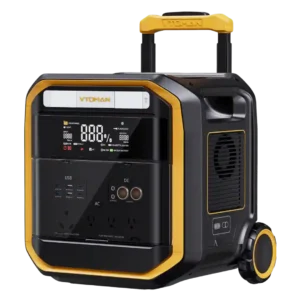
Best for fast-charging, high-output backup power that can run major appliances and roll easily between locations. Skip it if you need frequent lifting, a small footprint, or a screen that...
Pros: power output, surge capacity
Cons: specification accuracy, peak output
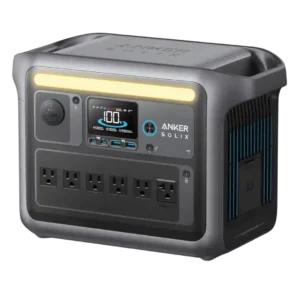
Best for fast charging, strong portable output, and short outage or camping duty. Skip it for quiet rooms, multi-day whole-home backup, or solar-only use with small panels.
Pros: power output, rated output
Cons: dual-input charging, cable storage
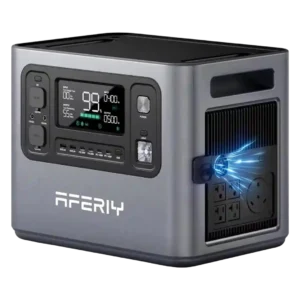
Choose the P280 for high-output home, RV, or off-grid backup with fast charging, strong usable capacity, UPS protection, and expansion. Skip it if you need lightweight portability, polished app control,...
Pros: rated output, peak output
Cons: app connectivity, voltage regulation