Best for high-demand appliance support
Jackery Explorer 3000 v2
5.0 attribute score
Highest scored product for this attribute based on supporting review evidence.

Highest scored product for this attribute based on supporting review evidence.
Balances the attribute score, supporting reviews, and overall product strength.
Has the broadest review evidence for this attribute.
Strongest overall product among items with scored evidence for this attribute.
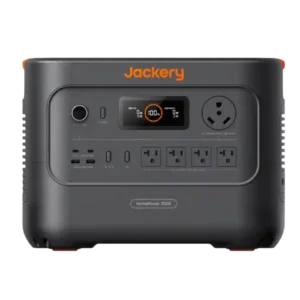
Overall: 4.3/5
Kettles, heaters, induction hobs, compressors, and other power-hungry appliances are comfortably within its reach.
Pros: high-demand appliance support, overall product satisfaction
Cons: accessory ecosystem, charging input compatibility
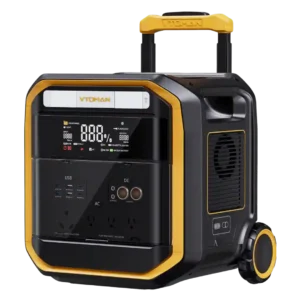
Overall: 4.5/5
This is where the station excels: reviewers ran heaters, compressors, saws, washing machines, kettles, and even electric vehicles without trouble.
Pros: overall product satisfaction, recharge speed
Cons: weight, lifting ease
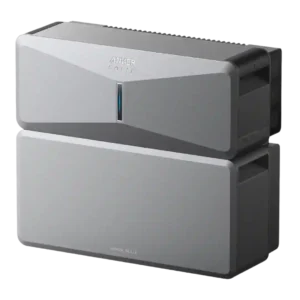
Overall: 4.4/5
Central air conditioners and other heavy household loads are a standout strength. Multiple tests report successful startup of large HVAC loads, including 3-ton to 5-ton systems, without trouble.
Pros: ease of setup, overall product satisfaction
Cons: display quality, accessory ecosystem
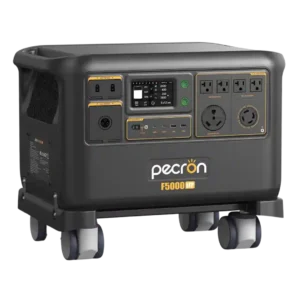
Overall: 4.3/5
Reviewers repeatedly demonstrate the F5000 running demanding loads such as well pumps, water heaters, air conditioners, furnaces, dryers, and power tools. Native 240V output is central to this strength.
Pros: overall product satisfaction, value for money
Cons: weight, wheel quality
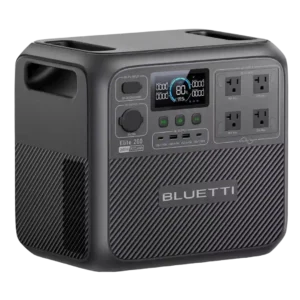
Overall: 4.4/5
The 2,600W inverter confidently runs refrigerators, microwaves, heaters, tools, air fryers, and other demanding appliances.
Pros: overall product satisfaction, value for money
Cons: weight, battery expandability
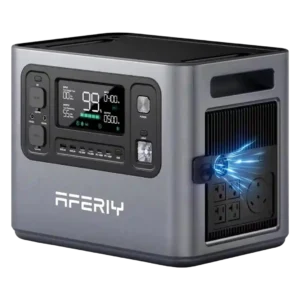
Overall: 4.5/5
The 2,800W inverter successfully ran kettles, air fryers, heaters, saws, washing machines, and other demanding appliances. Loads near or above the limit require caution because voltage can sag.
Pros: overall product satisfaction, battery expandability
Cons: weight, built-in light
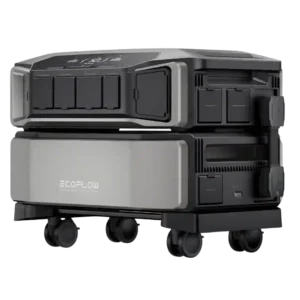
Overall: 3.9/5
High-draw loads are a major DPU strength. Reviewers successfully used or highlighted central AC, mini-splits, pumps, tools, and multiple demanding devices that smaller stations often struggle to start.
Pros: overall product satisfaction, value for money
Cons: customer support, shipping speed
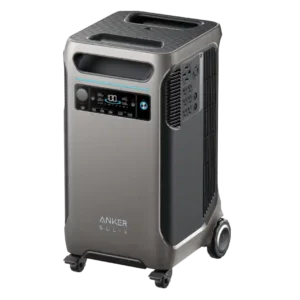
Overall: 4.0/5
The F3800 routinely runs dryers, air conditioners, well pumps, compressors, lifts, kitchen appliances, and power tools. Load timing still matters when several high-draw devices start together.
Pros: overall product satisfaction, home backup capability
Cons: value for money, weight
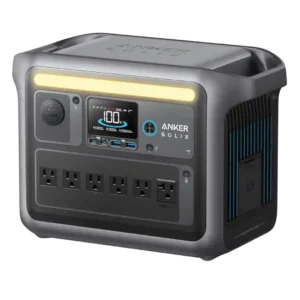
Overall: 4.5/5
The inverter successfully runs microwaves, kettles, coffee makers, refrigerators, power tools, and some heaters. Laundry appliances, rooftop air conditioners, and simultaneous high-draw loads can exceed its limits.
Pros: overall product satisfaction, runtime
Cons: noise level, weight
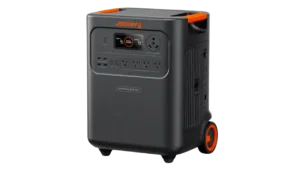
Overall: 4.4/5
The unit handled many high-draw appliances well, although the heaviest whole-home loads still push buyers toward a dual-unit setup.
Pros: overall product satisfaction, portability
Cons: weight, solar charging speed
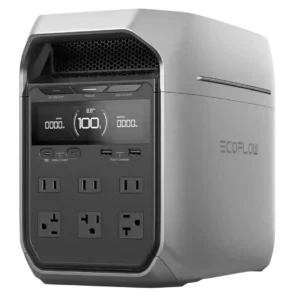
Overall: 4.6/5
The station can run many 1,500–1,800W appliances and some higher-wattage resistive loads through X-Boost. Continuous heavy-duty use is less convincing because of cooling concerns reported by several reviewers.
Pros: overall product satisfaction, solar panel compatibility
Cons: long-term reliability, standby power loss
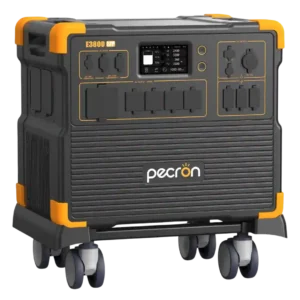
Overall: 4.2/5
The E3800LFP handles pumps, microwaves, tools, air conditioners, and other demanding loads well, though simultaneous startup-heavy RV loads can still exceed its limits.
Pros: overall product satisfaction, value for money
Cons: weight, app quality
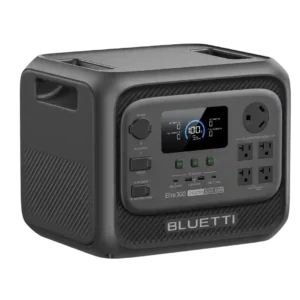
Overall: 4.3/5
Kettles, toasters, microwaves, air fryers, heaters, tools, and even some welders ran successfully within the 2,400W limit. Industrial motors and simultaneous heavy loads can still trip it.
Pros: compactness, load handling
Cons: weight, battery expandability
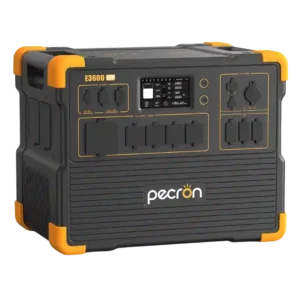
Overall: 4.1/5
The inverter can run refrigerators, kettles, air conditioners, tools, and other demanding loads, though some HVAC startup combinations remain incompatible.
Pros: overall product satisfaction, value for money
Cons: long-term reliability, noise level
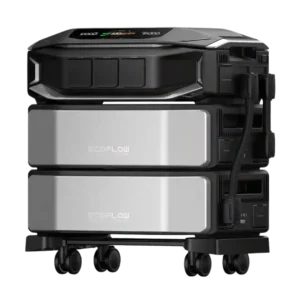
Overall: 4.4/5
The 12kW inverter gives the Ultra X enough headroom for HVAC, ovens, pumps, dryers, and other demanding household loads. Extremely heavy simultaneous loads can still require a larger multi-inverter configuration.
Pros: power output, home backup capability
Cons: AC outlet count, UPS functionality
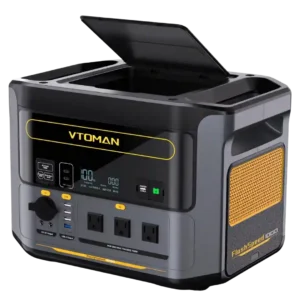
Overall: 4.4/5
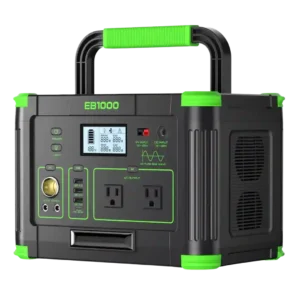
It can run kettles, heaters, cooking appliances, and even some air conditioners, but the 1,000W continuous limit often means using one demanding load at a time.
Pros: overall product satisfaction, AC charging speed
Cons: weight, display readability
Overall: 4.1/5
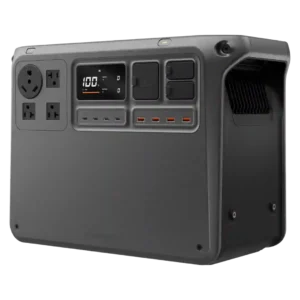
It can run many demanding devices, including small heaters, coffee makers, pumps, and medical equipment, but kettles, air fryers, and prolonged high-wattage heating can exceed its practical limits.
Pros: overall product satisfaction, value for money
Cons: long-term reliability, recharge speed
Overall: 3.9/5
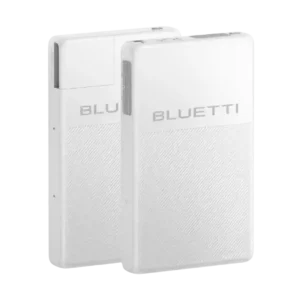
It runs heaters, air fryers, kettles, microwaves, air conditioners, and tools well within its rating, but very hard-start loads remain a limitation.
Pros: noise level, power output
Cons: weight, accessory ecosystem
Overall: 4.2/5
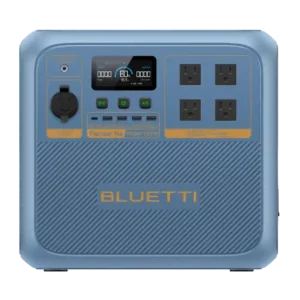
The 1,800W inverter can support many household appliances beyond a refrigerator, provided the load stays within its limit. That gives the specialized unit more flexibility than its name suggests.
Pros: overall product satisfaction, runtime
Cons: weight, DC output
Overall: 3.9/5
The 1,500W inverter and Power Lifting mode handle many kettles, heaters, air fryers, and tools, sometimes above the nominal rating. Very high-inrush tools and non-resistive loads remain beyond its comfort...
Pros: overall product satisfaction, cold-weather performance
Cons: value for money, weight
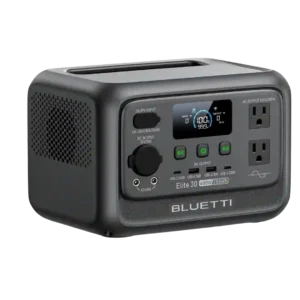
Overall: 4.4/5
Power Lifting can run simple resistive loads such as kettles, hair dryers, blankets, and small cookers by reducing voltage. Results are impressive for the size, but appliances may run slowly,...
Pros: value for money, portability
Cons: battery capacity, standby power loss
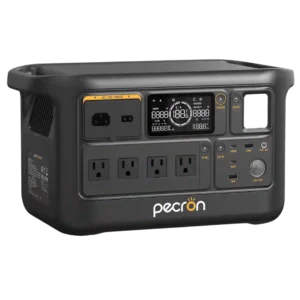
Overall: 4.2/5
The 1,500W inverter runs many power tools, coffee makers, heaters, and cooking appliances, but higher-demand microwaves, air fryers, and large saws can exceed its practical limits.
Pros: overall product satisfaction, load handling
Cons: battery expandability, long-term reliability
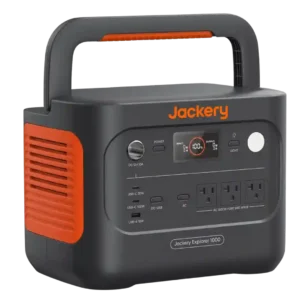
Overall: 4.4/5
It handles many kettles, coffee makers, microwaves, tools, and small AC units, but 1,500W is a firm ceiling for larger heaters and household appliances.
Pros: overall product satisfaction, AC charging speed
Cons: solar panel compatibility, solar cable compatibility
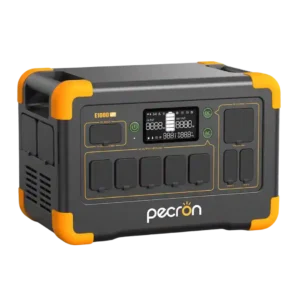
Overall: 4.0/5
The 1,800W inverter handles kettles, mixers, air fryers, refrigerators, and some tools well, but high-inrush saws, large vacuums, and simultaneous heavy loads can exceed its limited surge headroom.
Pros: overall product satisfaction, value for money
Cons: standby power loss, surge capacity
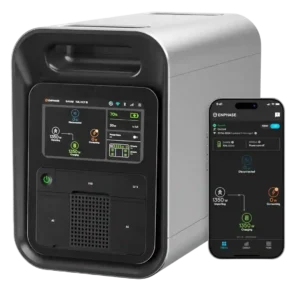
Overall: 3.8/5
It can run refrigerators, heaters, shop vacs, and some power tools, but its 1,500 W ceiling and voltage throttling make large motors and sustained heavy loads a poor fit.
Pros: display quality, overall product satisfaction
Cons: solar charging speed, weight
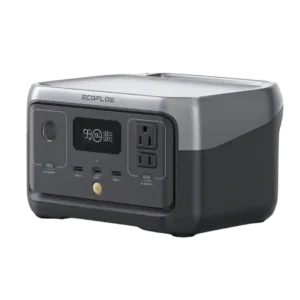
Overall: 4.0/5
Coffee makers, heaters, toaster ovens, large tools, and full-size appliances often overload it or drain it too quickly; X-Boost only partly expands the range.
Pros: overall product satisfaction, AC charging speed
Cons: runtime, high-demand appliance support
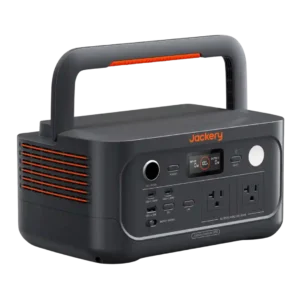
Overall: 4.1/5
The 500W continuous ceiling is the clearest limitation. It is comfortable with small electronics and camping gear but not a good fit for heaters, full-size kettles, air fryers, or many...
Pros: overall product satisfaction, compactness
Cons: high-demand appliance support, app connectivity
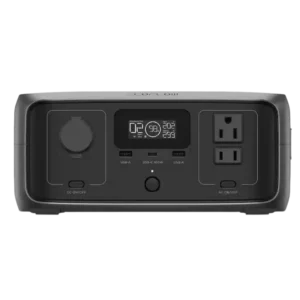
Overall: 4.2/5
This is not a high-demand appliance station; heaters, large fridges, hair dryers, and similar loads are poor matches.
Pros: overall product satisfaction, portability
Cons: specification accuracy, display readability
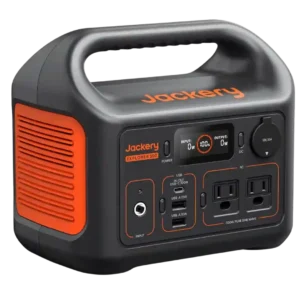
Overall: 4.2/5
The 300W ceiling is the product’s biggest limitation: kettles, heaters, coffee makers, air fryers and many tools are repeatedly ruled out.
Pros: overall product satisfaction, portability
Cons: high-demand appliance support, home backup capability
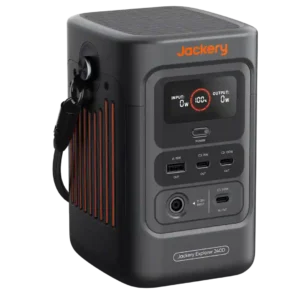
Overall: 4.3/5
This is not an appliance-backup station. Refrigerators, kettles, pumps, CPAP machines with AC plugs, and similar loads are either impossible to connect or run for too little time.
Pros: value for money, compactness
Cons: high-demand appliance support, AC outlet count