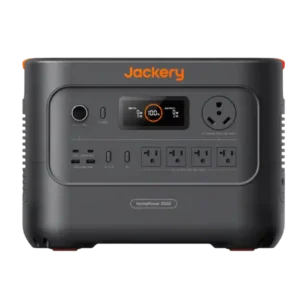
Kettles, heaters, induction hobs, compressors, and other power-hungry appliances are comfortably within its reach.
Pros: power output, rated output
Cons: battery expandability, car charging speed

Kettles, heaters, induction hobs, compressors, and other power-hungry appliances are comfortably within its reach.
Pros: power output, rated output
Cons: battery expandability, car charging speed
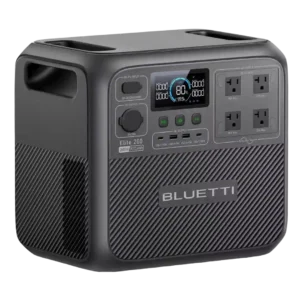
The 2,600W inverter confidently runs refrigerators, microwaves, heaters, tools, air fryers, and other demanding appliances.
Pros: output stability, pure sine wave output
Cons: specification accuracy, startup reliability
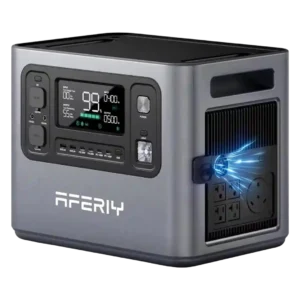
The 2,800W inverter successfully ran kettles, air fryers, heaters, saws, washing machines, and other demanding appliances. Loads near or above the limit require caution because voltage can sag.
Pros: rated output, peak output
Cons: app connectivity, voltage regulation
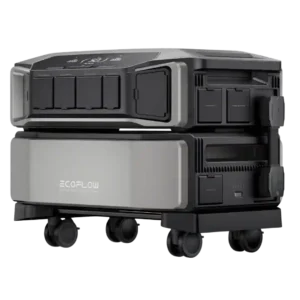
High-draw loads are a major DPU strength. Reviewers successfully used or highlighted central AC, mini-splits, pumps, tools, and multiple demanding devices that smaller stations often struggle to start.
Pros: power quality, simultaneous device support
Cons: battery percentage accuracy, firmware updates
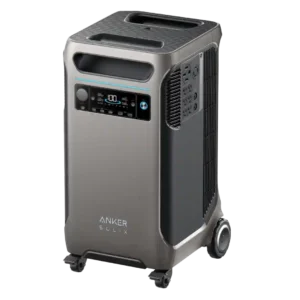
The F3800 routinely runs dryers, air conditioners, well pumps, compressors, lifts, kitchen appliances, and power tools. Load timing still matters when several high-draw devices start together.
Pros: rated output, output stability
Cons: car charging speed, USB-A ports
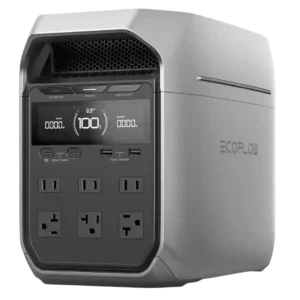
The station can run many 1,500–1,800W appliances and some higher-wattage resistive loads through X-Boost. Continuous heavy-duty use is less convincing because of cooling concerns reported by several reviewers.
Pros: rated output, peak output
Cons: 30-amp output, parallel operation support
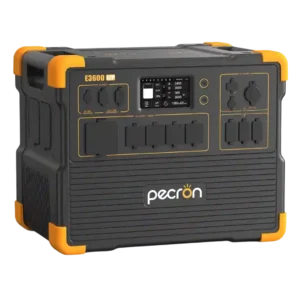
The inverter can run refrigerators, kettles, air conditioners, tools, and other demanding loads, though some HVAC startup combinations remain incompatible.
Pros: power output, rated output
Cons: output stability, voltage regulation
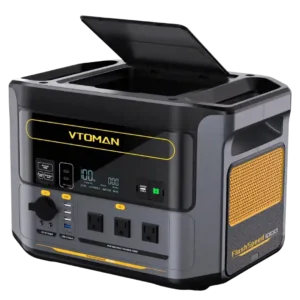
It can run kettles, heaters, cooking appliances, and even some air conditioners, but the 1,000W continuous limit often means using one demanding load at a time.
Pros: inverter quality, power quality
Cons: Wi-Fi connectivity, weather resistance
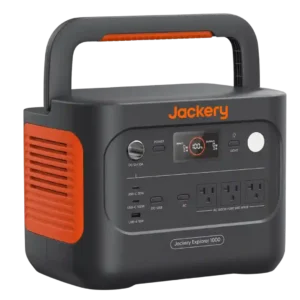
It handles many kettles, coffee makers, microwaves, tools, and small AC units, but 1,500W is a firm ceiling for larger heaters and household appliances.
Pros: rated output, peak output
Cons: standby power loss, specification accuracy
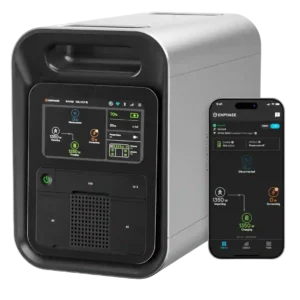
It can run refrigerators, heaters, shop vacs, and some power tools, but its 1,500 W ceiling and voltage throttling make large motors and sustained heavy loads a poor fit.
Pros: rated output, output stability
Cons: runtime at full load, RV outlet
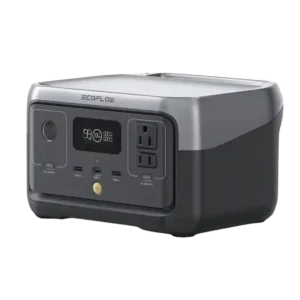
Coffee makers, heaters, toaster ovens, large tools, and full-size appliances often overload it or drain it too quickly; X-Boost only partly expands the range.
Pros: surge capacity, output stability
Cons: dual-input charging, whole-home integration
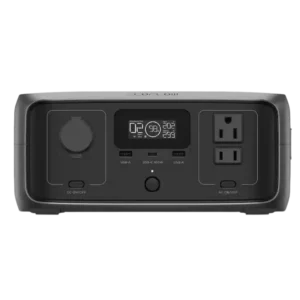
This is not a high-demand appliance station; heaters, large fridges, hair dryers, and similar loads are poor matches.
Pros: noise level, idle noise
Cons: self-discharge rate, air travel suitability