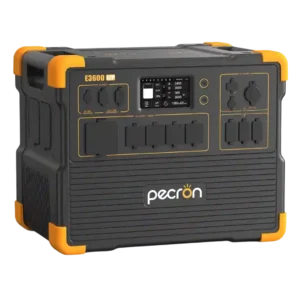
Independent high-load tests measured about 89% efficiency, a strong result for a large inverter.
Pros: power output, rated output
Cons: output stability, voltage regulation

Independent high-load tests measured about 89% efficiency, a strong result for a large inverter.
Pros: power output, rated output
Cons: output stability, voltage regulation
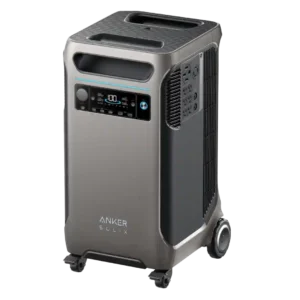
A smart home setup can shift solar energy and battery use away from expensive grid periods, creating potential everyday savings.
Pros: rated output, output stability
Cons: car charging speed, USB-A ports
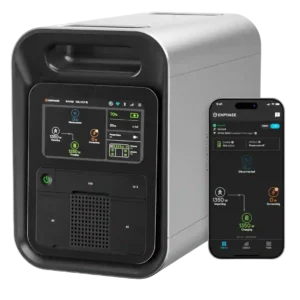
Efficient discharge and recharge behavior is presented as a core engineering strength.
Pros: rated output, output stability
Cons: runtime at full load, RV outlet
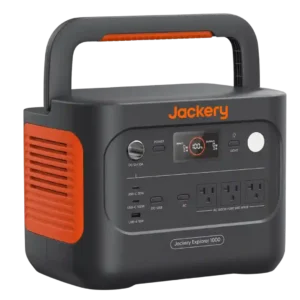
One direct comparison measured strong efficiency, placing the Jackery ahead of several competing power stations.
Pros: rated output, peak output
Cons: standby power loss, specification accuracy
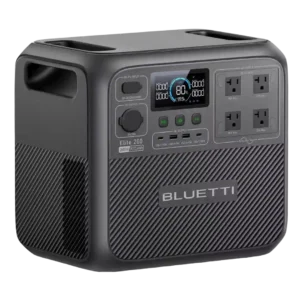
Exceptionally high discharge efficiency is one of the product's defining strengths, delivering more usable energy than many similarly sized rivals.
Pros: output stability, pure sine wave output
Cons: specification accuracy, startup reliability
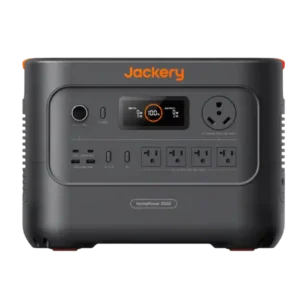
Off-peak scheduling and battery-saving features can improve everyday energy use and reduce unnecessary battery wear.
Pros: power output, rated output
Cons: battery expandability, car charging speed
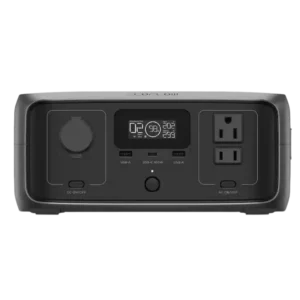
Measured AC efficiency around the mid-80% range is strong, and reviewers often note low heat loss.
Pros: noise level, idle noise
Cons: self-discharge rate, air travel suitability
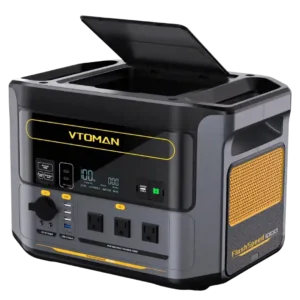
Technical testing found strong inverter efficiency near full load, while low-power devices consumed very little energy.
Pros: inverter quality, power quality
Cons: Wi-Fi connectivity, weather resistance
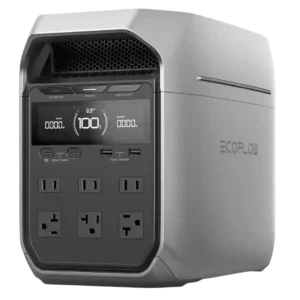
Measured discharge efficiency generally lands in the mid-to-high 80% range, which is good for a 1kWh station. One overheating test produced a merely average result.
Pros: rated output, peak output
Cons: 30-amp output, parallel operation support
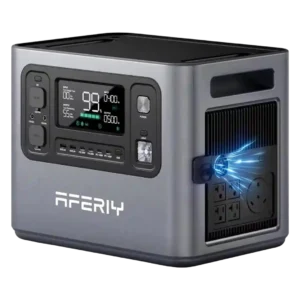
Usable-energy and low-load tests were generally solid, with efficient operation across both AC and DC use.
Pros: rated output, peak output
Cons: app connectivity, voltage regulation
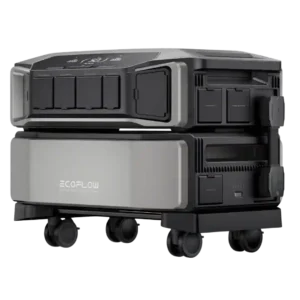
Efficiency results are mixed: one test found excellent discharge efficiency above many portable stations, while a long-term whole-home user measured only about 75–80% system efficiency.
Pros: power quality, simultaneous device support
Cons: battery percentage accuracy, firmware updates
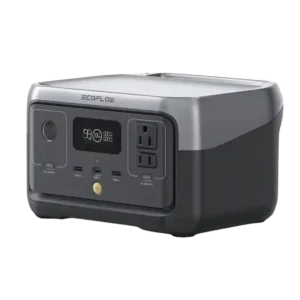
Efficiency is strongest on USB-C and DC loads, while AC round-trip results range from acceptable to disappointing for a small power station.
Pros: surge capacity, output stability
Cons: dual-input charging, whole-home integration