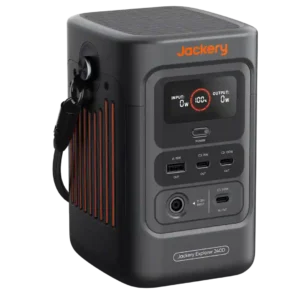
Skipping the AC inverter improves efficiency for USB devices by avoiding DC-to-AC-to-DC conversion. This is a central advantage of the 240D's design.
Pros: power output, rated output
Cons: AC outlet count, repairability

Skipping the AC inverter improves efficiency for USB devices by avoiding DC-to-AC-to-DC conversion. This is a central advantage of the 240D's design.
Pros: power output, rated output
Cons: AC outlet count, repairability
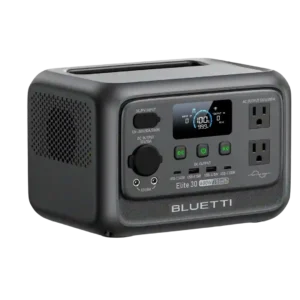
Measured usable energy is generally strong for the class, especially over DC. The efficiency advantage is partly offset by higher-than-expected idle consumption when outputs remain on.
Pros: rated output, output stability
Cons: over-voltage protection, cold-weather performance
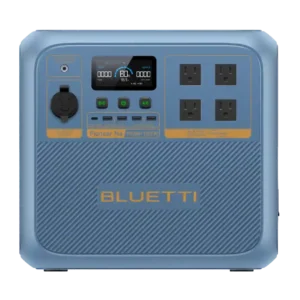
Measured usable efficiency is one of the Pioneer Na's standout strengths, with several reviewers recording unusually high AC and DC results.
Pros: pure sine wave output, startup performance
Cons: MPPT controller performance, battery expandability
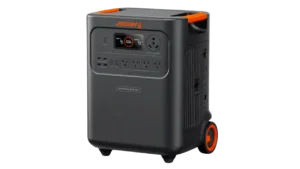
AC efficiency tested near the top of the class in several reviews, commonly around 89% to 95% usable conversion performance.
Pros: output stability, voltage regulation
Cons: DC output, 12-volt outlet
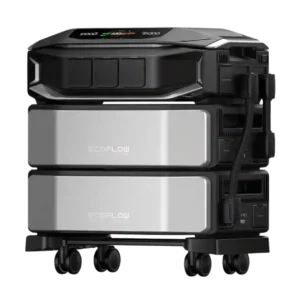
Efficiency is a major strength, combining high conversion performance with much lower idle draw than many similarly powerful systems. That matters during long standby periods and intermittent home loads.
Pros: output stability, voltage regulation
Cons: solar cable compatibility, UPS functionality
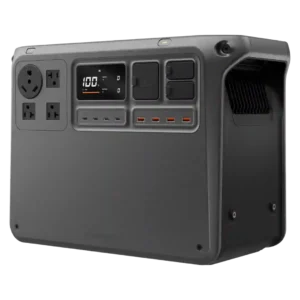
AC efficiency and idle consumption tested well for a station of this size, helping preserve more of the rated capacity.
Pros: rated output, peak output
Cons: startup reliability, full-load noise
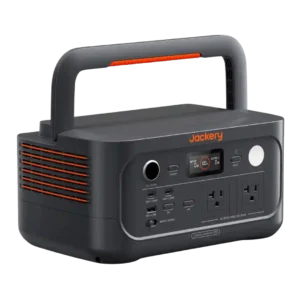
Direct USB-C charging avoids unnecessary DC-to-AC conversion losses, making laptop charging more efficient than using a mains adapter.
Pros: output stability, pure sine wave output
Cons: remaining runtime estimate, Bluetooth connectivity
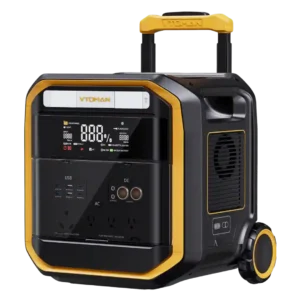
Low internal power consumption is presented as a strength, helping the station remain ready without wasting much stored energy.
Pros: power output, surge capacity
Cons: specification accuracy, peak output
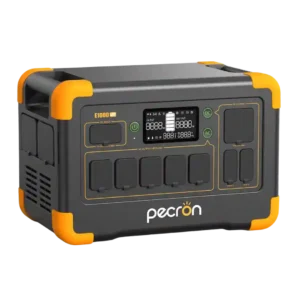
Usable efficiency is generally strong, often in the mid-80s to mid-90s depending on AC or DC output; the strongest DC results are excellent, though one run was merely average.
Pros: inverter quality, LiFePO4 battery
Cons: idle noise, built-in light