
over the hill Feature Scores
Explore all 68 feature scores for over the hill, organized into pros and cons.
Scores by Feature
Summary
68 reviewed features-
Very positive 4.5-5.018 (26%)
-
Positive 3.5-4.431 (46%)
-
Neutral 2.5-3.49 (13%)
-
Negative 1.5-2.49 (13%)
-
Very negative below 1.51 (1%)
Pros
Sort
-
Expansive views, rich lighting, and dramatic weather often produce breathtaking scenery. Sparse areas and simple models impress less consistently, especially once the novelty fades.
-
Warm light, shifting weather, gentle music, and remote scenery create the game’s most consistent attraction. Some players lose that peaceful feeling when isolation, repetition, or frustrating terrain takes over.
-
The game gives you room to wander, change destinations, and ignore optional tasks. For some, visible checklist markers still create pressure that interrupts the pleasure of simply getting lost.
-
Snow, rain, storms, and changing daylight transform both the scenery and the route ahead. They enrich the wilderness atmosphere, though low visibility and reduced grip can make travel frustrating.
-
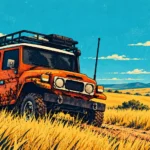
Pastel colors, chunky vehicles, and minimalist landscapes give the game a distinctive outdoor identity. The simple style delights most, though a few find it basic or personally unappealing.
-
Acoustic guitar, ambient tracks, and selectable cassettes strongly reinforce the calm mood. The music is a common highlight, although its limited track variety can become repetitive.
-
Convoys, shared anchors, and improvised rescue chains turn difficult terrain into memorable teamwork. Helping friends out of trouble often supplies the game’s funniest and most rewarding moments.
-
Wildlife photography and scenic shots provide a rewarding reason to stop driving. Extensive controls, beautiful light, and rare animal sightings make this one of the most consistently enjoyed side activities.
-
Handcrafted terrain, distant scenery, swaying grass, and visible dirt on vehicles reward close attention. The detail helps simple models evoke a convincing outdoor expedition.
-
Beautiful viewpoints, hidden routes, wildlife, and unlocks encourage wandering beyond the next hill. Discovery loses momentum for players who want richer unmarked rewards or more varied reasons to keep moving.
-
A wide range of camping gear, lights, horns, ornaments, and other cosmetics helps make a truck feel personal. Limited paint choices are a smaller reservation amid broad enthusiasm for the playful options.
-
Sunsets, headlights, snowstorms, and wind-whipped trees bring the restrained graphics to life. Lighting is frequently the element that turns an ordinary drive into a memorable view.
-
Layered cliffs, narrow tracks, and carefully arranged obstacles create memorable routes through the wilderness. Some later sections become punishing, and not every long trail is equally engaging.
-
Most overall assessments strongly recommend the distinctive scenic driving adventure. Reservations center on limited depth, frustrating traversal, and a lack of goals rather than its presentation.
-
Crunching gravel, squelching mud, engines, wind, and recognizable animal calls form a convincing soundscape. Ambient audio often makes the wilderness feel especially alive.
-
Large maps convey convincing wilderness while leaving room to choose your own route. Steep terrain can funnel movement more than the open-world premise initially suggests.
-
The supplied launch price is widely considered good value for this kind of scenic exploration. The strongest recommendations come from players who enjoy unhurried journeys rather than measuring value through constant action.
-
The landscapes, weather, music, and quiet travel can evoke a convincing wilderness expedition. Map interruptions, implausible animal reactions, and missing first-person driving occasionally break the spell.
-
Few buttons and straightforward systems make the game easy to pick up. Mastering terrain and making effective upgrades still give newcomers useful skills to develop.
-
Challenge trails and vehicle recoveries provide the clearest objectives and some of the best moments. Their appeal varies: towing can feel tedious with weak equipment, and other activities sometimes lack meaningful purpose.
-
The slow pace and scenery work well on portable hardware, with several enthusiastic Steam Deck and Ally X reports. Steam Deck performance is inconsistent across tests, so settings and build matter.
-
Route finding, recoveries, and difficult climbs turn the landscape into a practical spatial puzzle. Choosing an approach and using equipment well can make reaching a distant ledge feel earned.
-
Patient exploration and shared rescues produce delight, curiosity, and plenty of laughter for many players. Those who need stronger goals or more satisfying traction can instead become bored or frustrated.
-
Most tested PCs and several handheld setups run well, with later builds improving on the demo. Results vary substantially, and some tests still find demanding hardware use or poor Steam Deck performance.
-
Discovered cabins make useful bases for repairs, resupply, and quick returns to an area. Resting or advancing time also helps avoid poor visibility and unwanted weather.
-
Simple gears, recovery tools, and optional challenges keep the driving approachable. Planks and other equipment can be fiddly, and some shortcuts feel less physical than the rest of the game.
-
Better engines, tires, suspension, and tool capacity can open demanding routes and transform a weak starter vehicle. Improvements are less convincing for some drivers, while separate upgrades for each truck discourage experimentation.
-
The playful opening and chaotic group rescues add warmth and comedy. Novelty horns and friendly winch mischief can make a difficult trail especially memorable.
-
The retro-inspired selection offers plenty of appealing trucks and recognizable shapes. Handling differences can be subtle, and a favorite upgraded vehicle may overshadow the rest.
-
Quick and manual winching can turn a stuck truck into a satisfying recovery puzzle. Most find it useful and intuitive, although inconsistent pull strength and awkward attachment behavior frustrate some drivers.
-
Picking a destination, finding a route, and collecting a reward can be wonderfully absorbing. Players who need explicit goals or deeper driving systems often find that same loop aimless or thin.
-
Cosmetic crates, vehicle unlocks, and wildlife discoveries can be powerful reasons to keep exploring. For players who do not value cosmetic rewards, collecting provides much less motivation.
-
Portable camps let you recover, make minor repairs, and wait for daylight or better weather. The system deepens the expedition feel, though placing a camp can be awkward.
-
Solo travel can be therapeutic, quiet, and absorbing for players who enjoy self-directed discovery. Others find the world lonely or insufficiently motivating without friends and shared challenges.
-
Weighty trucks, gear changes, and careful wheel placement give patient driving its appeal. Traction is divisive: some find it tactile and fair, while others struggle with slippery surfaces, sluggish speed, or unpredictable reactions.
-
The tested co-op sessions generally connect and run smoothly without noticeable lag. The available reports are positive about basic session reliability.
-
A brief tutorial introduces gearing and winching without dragging out the opening. Its strongest praise is for explaining useful mechanics without becoming boring or overwhelming.
-
Some find an excellent balance of accessible cruising and demanding optional trails. Others find the same terrain either frustratingly slippery or too forgiving to deliver a satisfying off-road challenge.
-
Frame rates are usually smooth at suitable settings, including many 60fps PC tests. Large vistas and dramatic weather can cause drops, with an occasional more severe multiplayer slowdown.
-
Persistent tire tracks, deforming terrain, and accumulating mud can make journeys feel tangible. Simplified deformation, occasional odd physics, and unresponsive wildlife sometimes weaken that illusion.
-
Several accounts praise intuitive tools and carefully finished environments. Another finds mechanical roughness and technical problems serious enough to undermine the tranquil presentation.
-
One completed playthrough reports no crashes. That supports a positive stability experience for that test without establishing a universal result.
-
Straightforward controls and sensible button placement make the trucks approachable. Steering can feel slow or slightly awkward, particularly during precise maneuvers.
-
The guided introduction generally teaches the basics efficiently. Early encouragement to customize or upgrade the starter vehicle could be clearer, since those improvements can materially ease the opening.
-
The mechanic’s brief text dialogue adds a little personality while fitting the gentle tone. Its appeal comes from that light touch rather than extensive conversations.
-
A driving adventure built around discovery rather than racing feels refreshing. Its appeal comes from rethinking what makes a vehicle journey worth taking.
-
Light decisions about damage, equipment, and whether to wait out a storm give expeditions stakes. They add commitment without turning the experience into demanding resource survival.
-
Displaying saved photographs as Polaroids on the main menu adds a charming personal touch. It gives collected images a visible place beyond the photography activity itself.
-
A varied wildlife collection encourages looking beyond the next crate or trail. Sightings can be sparse, which makes finding a bird or another elusive animal more special.
Cons
Sort
-
A failed late-stage maneuver can force a long return from camp. Lengthy trails without a midpoint save make small mistakes unusually costly.
-
Some sessions encounter only minor input or visual glitches. Others suffer flying vehicles, equipment falling below the map, or inconsistent physics that materially disrupt difficult routes.
-
Fully upgrading many trucks can require repeated meteorite hunts after normal discoveries run out. Repeated spawn locations and modest payouts make that extra farming feel thin.
-
The radial menu can remain awkward even after extended play. Restrictions while tethered and slow access to the camera can interfere with creative recovery attempts or fleeting animal sightings.
-
The relaxing trailer set expectations that one playthrough sharply contradicted. Constant traction struggles made the advertised peaceful outing feel stressful instead.
-
Dedicated accessibility support is limited. The tested demo also caused serious difficulty for one left-handed keyboard setup, making input flexibility an important consideration.
-
Meteorite hunting provides another reason to drive after clearing objectives, but it is a thin main endgame activity. More varied late-game tasks would give the world stronger staying power.
-
Distinct biomes provide attractive changes of scenery, but the activity set is modest. Repeated crate hunts, similar driving challenges, and limited locations can wear thin.
-
Pebbles give exploration a tangible reward, but their generosity feels uneven. Building a second capable truck or upgrading an entire fleet can require far more currency than normal discovery supplies.
-
The small wrench indicator is easy to overlook when vehicle damage is not visually obvious. Clearer feedback after collisions would make the vehicle’s condition easier to judge.
-
Public lobbies were often empty during one prelaunch test. Finding available players at that stage was harder than simply organizing a group of friends.
-
The lack of a story leaves a sense of emptiness for a player seeking more reason to explore. Even a few characters or side quests could have given solo travel a stronger emotional anchor.
-
The first journey offers strong discovery appeal, and some players eagerly return for another trail. Others find limited long-term motivation once familiar maps and repeated meteorite hunts replace fresh discoveries.
-
Slow travel can make each journey feel substantial and every discovery worth savoring. It can also become a crawl, especially when a nearly cleared map spreads the remaining rewards far apart.
-
Adjustable distance and fading trees can make the chase camera useful for scouting. Tight spaces, awkward angles, and the lack of a cockpit view still frustrate some drivers.
-
Independent travel lets a group split up when desired, but discovery and objectives are tracked per player. Staying together avoids waiting for friends to repeat tasks you have already completed.
-
The wilderness can make individual journeys feel memorable and worth the effort. Giant sculpted hands and floating islands are less convincing for players who prefer the otherwise natural setting.
-
Revealing the map and placing clear waypoints can give exploration satisfying direction. Frequent map checks interrupt driving for some, while visible objectives can also spoil aimless wandering.
-
Revealing the map and improving a favorite truck can feel deeply satisfying. Slow vehicle unlocks and the cost of starting another build often keep players in one truck longer than they would like.
Use Cases
Best for
Sort
-
Friends can share equipment, rescue one another, and turn a slow drive into an entertaining group expedition. The recommendation is strongest for groups happy to explore patiently and enjoy the journey together.
-
Wildlife cataloguing, attractive lighting, and scenic viewpoints give photographers plenty to pursue. Capturing a rare animal or a carefully framed landscape can become a primary reason to explore.
-
Slow drives and shared sightseeing leave space to catch up in voice chat. The best moments mix easy conversation with sudden calls for a winch or a group rescue.
-
Unhurried sightseeing, gentle music, and optional objectives make this an appealing way to unwind. Relaxation depends on tolerance for slow progress, slippery terrain, and occasional costly mistakes.
-
A gamepad is widely preferred for driving and managing the chase camera, with intuitive bindings in several tests. One demo tester found it essential for their left-handed setup.
-
The absence of timers, competitive scores, and urgent objectives allows exploration at a comfortable pace. It is well suited to players who prefer to pause, look around, and choose their own next step.
-
Simple controls and a lack of demanding simulation systems make the game approachable for casual play. Optional harder trails leave room to increase the challenge when desired.
-
Portable play is a natural match for gentle driving and scenic exploration. Several handheld tests are excellent, but conflicting Steam Deck performance reports make the recommendation conditional on the setup.
-
The game works particularly well with a familiar group that enjoys patient exploration and helping each other. Compatible expectations matter more than a shared appetite for constant action.
-
Curiosity and enjoyable company can keep players driving for hours beyond their intended stopping point. Limited activity variety and depth make long sessions less satisfying for others.
-
Discoveries, vehicles, upgrades, and animal photographs can inspire a strong urge to finish every checklist. The sense of uncovering the whole world is especially motivating for these players.
-
The simple structure makes it easy to put down and return to later. It works well as a familiar, low-demand break between more involved games.
-
Finding and documenting every species can become a compelling personal goal. Recognizable wildlife and the photograph collection give animal-focused players a rewarding reason to keep roaming.
-
Low-pressure scenic driving can let the mind wander pleasantly. The appeal here is a gentle activity that leaves space for your own thoughts.
-
The lighter off-road systems offer an inviting introduction to cooperative wilderness driving. Friends can enjoy helping each other without committing to a deeply technical simulator.
-
A short scenic drive can be a pleasant way to spend an hour. Limited mechanical depth makes that format more convincing than an expectation of constant novelty.
Conditional or not ideal for
-
Challenge seekersOptional trails can demand precise driving and persistence, but this is a conditional choice for challenge-focused players. It will disappoint anyone expecting hardcore simulation or consistently punishing terrain.
-
Mouse and keyboard playKeyboard and mouse results are divided. One full playthrough finds them effective, while another prefers a controller and a left-handed demo tester finds the keyboard setup unusable.