Best for survival mechanics
Valheim
5.0 attribute score
Highest scored product for this attribute based on supporting review evidence.

Highest scored product for this attribute based on supporting review evidence.
Balances the attribute score, supporting reviews, and overall product strength.
Has the broadest review evidence for this attribute.
Strongest overall product among items with scored evidence for this attribute.

Food, stamina, shelter, preparation, environmental hazards, and biome escalation form a cohesive survival system that multiple reviewers treat as a genre high point.
Pros: town-building system, exploration quality
Cons: grind level, fast travel convenience

The instant-death firestorm sharply increases survival pressure and prevents prolonged hiding outside the safe zone, a twist praised as both frightening and effective.
Pros: fun factor, battle mode quality
Cons: multiplayer design, replay value

The survival layer is one of the most consistently praised ideas. Scarce ammo, vulnerable healing, looting and walker pressure make the beat 'em up structure feel more tense and distinctive.
Pros: fun factor, faithfulness to franchise
Cons: combat system, game length

Ammo, durability, stamina, inventory, and shared currency recreate valued survival pressure. The challenge is most effective when scarce supplies still leave room for meaningful decisions.
Pros: overall quality, atmosphere
Cons: boss design, movement feel

Survival Mode meaningfully changes Skyrim by making food, sleep, warmth, travel, and planning matter. Most sources enjoy the added immersion and challenge, though it is deliberately more demanding and not...
Pros: graphics quality, progression system
Cons: combat system, bug frequency
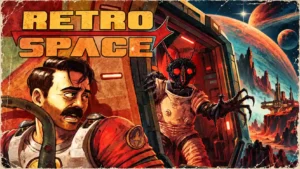
Maintenance tools, mutation tradeoffs, and learning the station make survival rewarding for resourceful players. Imperfect cloning adds interesting consequences, although easy normal-mode encounters can reduce their importance.
Pros: overall quality, art direction
Cons: map and navigation design, difficulty balance

Wave defense is a standout for one fan and a demanding teamwork challenge for another. Aggressive enemies and high numbers make it less forgiving when played alone.
Pros: overall quality, level design
Cons: innovation, mission design
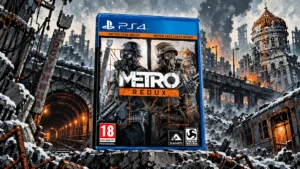
Gas-mask filters, limited ammunition, and hand-charged light make survival feel practical and immediate. Fans value the tension, while others find upkeep frustrating or poorly matched to Last Light’s action-heavy sections.
Pros: graphics quality, overall quality
Cons: AI behavior, pacing

Scarce resources, breakable weapons, hiding, and the IV revive system reinforce the survival-horror identity. The revive can occasionally fail gracefully when enemies remain on top of the player, but the...
Pros: horror tension, puzzle design
Cons: stealth mechanics, fun factor

Skipping mandatory hunger and hygiene upkeep sensibly avoids another layer of chores. The opening already asks players to juggle substantial restaurant and city responsibilities.
Pros: overall quality, shopkeeping system
Cons: performance optimization, pacing

Survival mechanics is generally viewed positively, though reviewers note some situational limitations or rough edges.
Pros: narrative quality, emotional impact
Cons: difficulty balance, gameplay mechanics

Cold, reduced visibility, and limited storm navigation add expedition tension. Some players enjoy the manageable countermeasures; others find the interruptions annoying or wish the cold mattered more.
Pros: overall quality, DLC value
Cons: difficulty balance, pacing

Survival-focused Zombies options are generally welcomed as accessible, lower-commitment ways to enjoy the undead combat loop. Limited launch content and repetition keep the mode from being uniformly strong.
Pros: multiplayer design, level design
Cons: fun factor, narrative quality

Survival systems create meaningful pressure through hunger, bleeding, radiation, durability, weight, and scarce supplies. Their friction is divisive: some players love the planning, while others find encumbrance and maintenance tedious...
Pros: immersion, fun factor
Cons: bug frequency, AI behavior

Sleep, baths, curses, healing food, enemy resets, and dice rolls create a constant risk-reward layer. Many players enjoy the planning, but the sleep system in particular can feel punishing or...
Pros: combat system, difficulty balance
Cons: progression system, bug frequency
Downed-state revives and tactical healing add pressure and recovery options, though unreliable squad assistance can make these systems feel harsher than intended.
Pros: combat system, graphics quality
Cons: exploration quality, mission design

Ammunition conservation, fragile melee weapons, healing, and inventory choices can create satisfying survival pressure. Durability and resource scarcity sometimes feel punitive rather than tense.
Pros: faithfulness to franchise, narrative quality
Cons: combat system, boss design
The survival layer works best when secondary ammo is scarce and safe-room choices create pressure. Infinite pistol ammo, abundant materials, repeated respawns, or forced farming can undercut that tension.
Pros: atmosphere, exploration quality
Cons: map and navigation design, bug frequency