Best for 160 MHz support
TP-Link Archer AX55
4.3 attribute score
Highest scored product for this attribute based on supporting review evidence.

Highest scored product for this attribute based on supporting review evidence.
Balances the attribute score, supporting reviews, and overall product strength.
Has the broadest review evidence for this attribute.
Strongest overall product among items with scored evidence for this attribute.

Overall: 4.0/5
160 MHz channels are a useful speed advantage when compatible clients and available channels allow them.
Pros: value for money, parental controls
Cons: subscription requirements, multi-gig Ethernet support

Overall: 4.5/5
160MHz channels can provide a large speed boost, with one test reaching about 1.3Gbps. Dynamic availability and interference conditions mean the gain is environment-dependent.
Pros: VPN client support, value for money
Cons: 6 GHz performance, USB storage sharing

Overall: 3.7/5
There is no 160 MHz mode, which limits peak wireless speeds but matters less for ordinary broadband plans.
Pros: Overall satisfaction, value for money
Cons: USB port support, 160 MHz support

Overall: 4.1/5
The range of available 5 GHz channels at 160 MHz is restrictive, making interference harder to avoid.
Pros: value for money, Wi-Fi speed
Cons: 6 GHz performance, subscription requirements
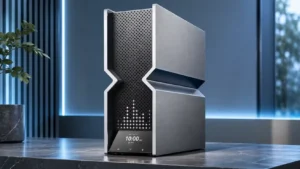
Overall: 4.1/5
Splitting 5GHz into two bands restricts the room available for wide 160MHz channels, particularly when DFS channels are involved.
Pros: wireless performance, Wi-Fi speed
Cons: value for money, size and footprint
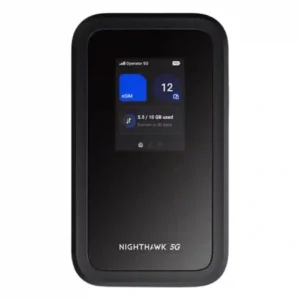
Overall: 4.1/5
The M7 does not deliver 160MHz operation on 5GHz, a limitation that materially holds back its Wi-Fi 7 performance.
Pros: eSIM flexibility, cellular connectivity
Cons: interface responsiveness, Ethernet port count