Best for smart TV platform
TCL QM7L
5.0 attribute score
Highest scored product for this attribute based on supporting review evidence.

Highest scored product for this attribute based on supporting review evidence.
Balances the attribute score, supporting reviews, and overall product strength.
Has the broadest review evidence for this attribute.
Strongest overall product among items with scored evidence for this attribute.
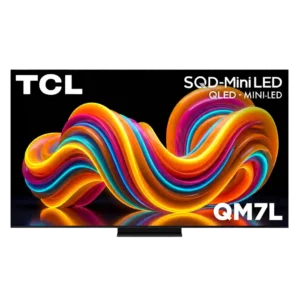
Google TV is a consistent strength, with an organized interface, broad content access, and useful settings integration.
Pros: peak brightness, picture quality
Cons: color accuracy, viewing angles

Google TV is attractive, familiar, and effective at bringing apps and content together. It runs smoothly enough that most owners will not need a separate streamer.
Pros: picture quality, value for money
Cons: stand quality, judder handling

webOS 26 remains a fast, customizable, app-rich platform with useful Quick Cards and settings. Ads, account requirements, and uneven AI features are its main drawbacks.
Pros: picture quality, peak brightness
Cons: value for money, sound quality

Roku OS remains a major reason to buy: it is simple, intuitive, familiar, and tightly integrated with the TV. A few owners dislike live-TV navigation or isolated streaming problems.
Pros: overall satisfaction, picture quality
Cons: reliability, portability and versatility
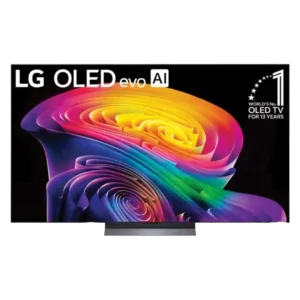
webOS 26 is fast, feature-rich, and easy to navigate, with strong app and gaming support. Mandatory account terms and advertising substantially weaken the experience for privacy-conscious buyers.
Pros: picture quality, gaming performance
Cons: value for money, sound quality
Google TV is capable, stable and easy to use, even if it is not always as slick or personalized as the best rival platforms.
Pros: overall satisfaction, overall image accuracy
Cons: value for money, bass performance
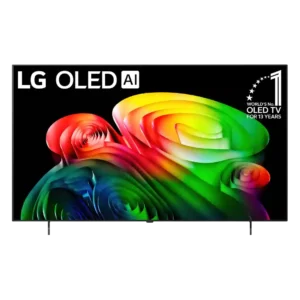
webOS 26 is fast, intuitive, and easy to navigate, with useful refinements and AI tools. Setup complexity and advertising are the main drawbacks.
Pros: picture quality, value for money
Cons: stand quality, daytime viewing performance
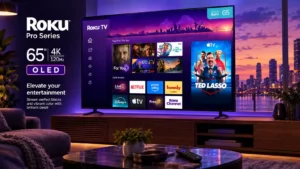
Roku remains approachable, quick, and easy to learn. Added recommendations and a few awkward input or picture-setting steps reduce the simplicity for some longtime users.
Pros: contrast ratio, value for money
Cons: peak brightness, HDR brightness

Tizen is faster and better organized than prior versions, but opinions split over clutter, ads and Samsung-centric behavior.
Pros: glare resistance, black levels
Cons: Dolby Vision support, color gamut
Google TV is broadly praised for app coverage, discoverability and familiar navigation. Ads and occasional performance hiccups are the main drawbacks.
Pros: overall satisfaction, picture quality
Cons: HDMI 2.1 port count, reflection handling

Google TV is broadly liked for its app depth and familiar layout, though it can be buggy, ad-heavy and less polished than the slickest alternatives.
Pros: gaming performance, peak brightness
Cons: HDMI 2.1 support, HDMI 2.1 port count
Google TV is broadly praised for app coverage, navigation, and integration, though some owners dislike its interface, account requirements, or occasional bugs.
Pros: overall satisfaction, picture quality
Cons: reliability, build quality
Fire TV is polarizing: many owners find it intuitive, convenient, and easy to learn, while others call it cluttered, glitchy, or frustrating. The ecosystem fit matters as much as the...
Pros: picture quality, overall satisfaction
Cons: value for money, reliability
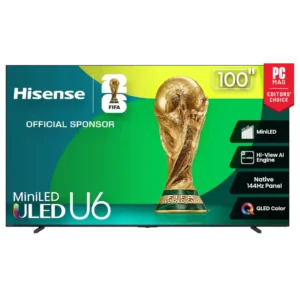
The smart-TV platform is the most divisive part of the product. Several reviewers call Fire TV cluttered, ad-heavy, or a step down from Google TV, while others find it clean,...
Pros: overall satisfaction, value for money
Cons: smart TV platform, blooming control
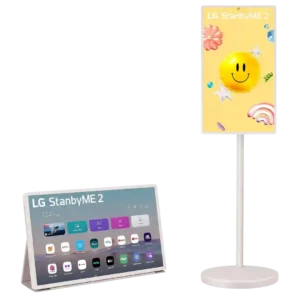
webOS is highly polarizing here. Some reviewers find the customized interface slick and touch-friendly, while others call it dated, restrictive, or the product’s biggest weakness.
Pros: overall satisfaction, portability and versatility
Cons: value for money, menu responsiveness