Best for peak brightness
Samsung S95H OLED
4.9 attribute score
Highest scored product for this attribute based on supporting review evidence.

Highest scored product for this attribute based on supporting review evidence.
Balances the attribute score, supporting reviews, and overall product strength.
Has the broadest review evidence for this attribute.
Strongest overall product among items with scored evidence for this attribute.
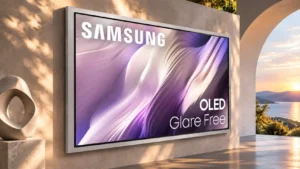
Peak luminance is exceptionally high for OLED, making small highlights pop and giving bright content unusual impact. Measurements vary significantly by picture mode and window size.
Pros: picture quality, overall satisfaction
Cons: design and appearance, Dolby Vision support

Strong daytime brightness sets it ahead of many art-TV rivals, although peak HDR highlights still have limits.
Pros: cable management, design and appearance
Cons: value for money, Dolby Vision support

Strong SDR brightness keeps ordinary shows visible in lit rooms. HDR brightness is more modest against similarly priced full-array competitors.
Pros: picture quality, 4K at 144 Hz support
Cons: sound quality, value for money
Brightness is sufficient for many everyday rooms, and several owners find it vibrant. Expert testing sees modest peak output, especially when competing with brighter mini-LED sets.
Pros: overall satisfaction, picture quality
Cons: reliability, remote control quality
The screen is bright enough for most living rooms, though demanding HDR highlights are less striking than on brighter flagship and rival sets.
Pros: picture quality, contrast ratio
Cons: blooming control, glare resistance
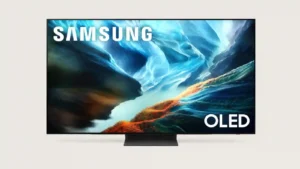
Peak brightness is strong for a midrange OLED and gives HDR highlights real impact, though results vary by size and it remains below Samsung’s flagship models.
Pros: glare resistance, black levels
Cons: Dolby Vision support, color gamut
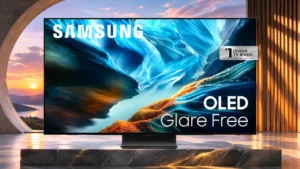
Peak light output is strong, particularly for small highlights, but the C6H and premium G6/S95H alternatives can surpass it.
Pros: black levels, contrast ratio
Cons: Dolby Vision support, stutter handling

SDR brightness is especially strong, and HDR highlights stand out. Reflective glass prevents that power from fully solving direct-glare problems.
Pros: Large-screen immersion, overall satisfaction
Cons: value for money, black levels
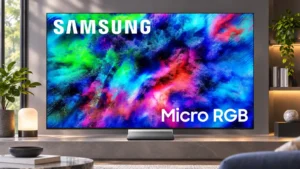
The R95H can produce extremely bright highlights and powerful daytime images. Some rival RGB TVs and flagship OLEDs reach higher peak readings, especially in accuracy-focused presets.
Pros: color volume, overall satisfaction
Cons: value for money, color accuracy
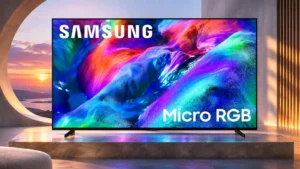
Daytime output is adequate to strong, but HDR peak brightness disappoints several testers compared with similarly priced LCDs.
Pros: overall satisfaction, color gamut
Cons: value for money, local dimming performance
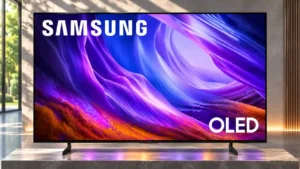
Brightness is respectable for a basic OLED, especially in smaller bright areas. It struggles to maintain punch when much of the picture is bright.
Pros: black levels, picture quality
Cons: glare resistance, reflection handling
Peak brightness is the most persistent weakness, particularly under strong ambient light or in HDR. A few owners find it sufficient for ordinary evening television.
Pros: color accuracy, upscaling quality
Cons: picture quality, sound quality
Lab measurements and several evaluations find brightness insufficient for glare and HDR, although one owner finds the screen strikingly bright.
Pros: sound quality, picture quality
Cons: value for money, local dimming performance

The panel can serve moderate SDR lighting, but it lacks the peak output required for punchy HDR and bright-room use.
Pros: picture quality, overall satisfaction
Cons: sound quality, black levels

Brightness is reasonable for everyday SDR but disappointing for HDR highlights, particularly next to brighter alternatives.
Pros: art display mode, design and appearance
Cons: overall satisfaction, HDMI port accessibility
Screen output is modest in SDR and especially weak in HDR. Even a moderately bright room can expose the lack of headroom.
Pros: picture quality, smart TV platform
Cons: value for money, refresh rate
Light output is a recurring weak point, although viewers who prefer a gentler image may find it tolerable.
Pros: gaming performance, color accuracy
Cons: value for money, overall satisfaction
Both HDR and SDR output are too dim for standout highlights or strong glare resistance.
Pros: white balance accuracy, design and appearance
Cons: overall satisfaction, value for money