Best for heart rate accuracy
Garmin Instinct Crossover AMOLED
5.0 attribute score
Highest scored product for this attribute based on supporting review evidence.

Highest scored product for this attribute based on supporting review evidence.
Balances the attribute score, supporting reviews, and overall product strength.
Has the broadest review evidence for this attribute.
Strongest overall product among items with scored evidence for this attribute.
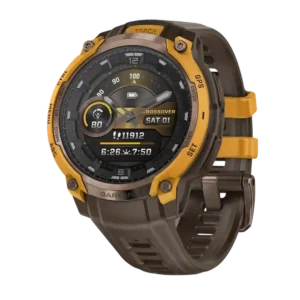
Heart rate accuracy was praised as brilliant and closely aligned with other premium watches.
Pros: style and design, flashlight usefulness
Cons: value for money, mapping and navigation
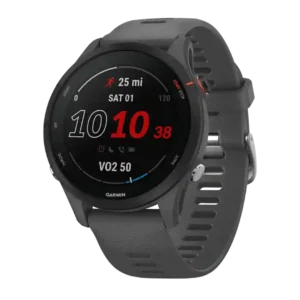
Heart-rate accuracy drew broad praise across runs, rides, and workouts, with reviewers often finding it close to chest straps while still noting optical-sensor caveats.
Pros: GPS accuracy, battery life
Cons: smartphone notifications, mapping and navigation
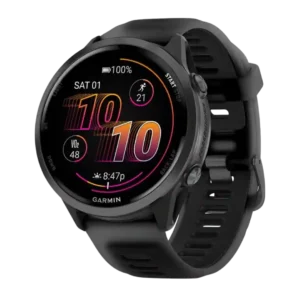
Heart-rate accuracy was widely praised, often compared favorably with chest straps, though gym and cycling edge cases remained.
Pros: heart rate accuracy, GPS accuracy
Cons: value for money, mapping and navigation
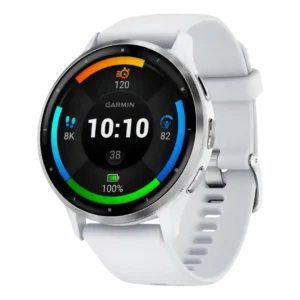
Heart-rate accuracy is one of the strongest areas: most reviewers found it close to chest straps or other trusted wearables, with only minor or context-specific caveats.
Pros: battery life, GPS accuracy
Cons: smartwatch features, smartphone notifications

Heart-rate accuracy is consistently praised, with reviewers noting only minor delays or brief misses during harder efforts.
Pros: battery life, GPS accuracy
Cons: onboard music storage, mapping and navigation
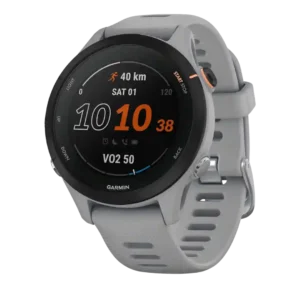
Reviewers generally found heart-rate tracking strong for a wrist device, with several comparisons to straps or other watches; caveats centered on optical sensors and fast HIIT-style changes.
Pros: value for money, battery life
Cons: menu navigation, user interface
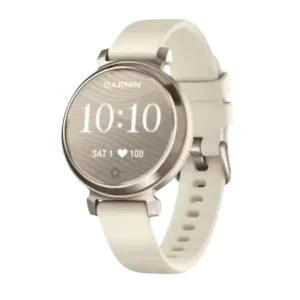
Heart-rate tracking receives broad praise, often matching or staying close to chest straps, Apple Watch, Polar, or Oura comparisons.
Pros: battery life, style and design
Cons: sleep tracking accuracy, workout tracking variety
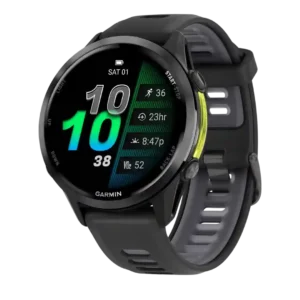
Heart-rate accuracy drew broad praise across reviews, with optical readings often matching straps closely; caveats focused on wrist-sensor limits in fast-changing or gym efforts.
Pros: heart rate accuracy, GPS accuracy
Cons: battery life, value for money
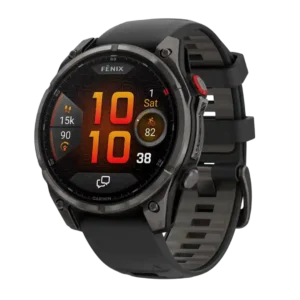
Reviewers generally found heart-rate tracking strong against chest straps, though one noted ordinary optical-sensor wobbles during some runs.
Pros: LTE connectivity, battery life
Cons: value for money, safety features
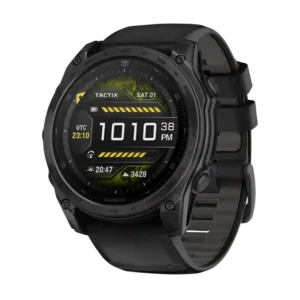
Heart rate feedback was broadly praised for accuracy and faster updates, though one athletic test found strength training still benefits from a chest strap.
Pros: battery life, durability
Cons: value for money, band quality
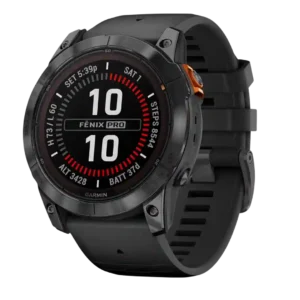
Heart rate accuracy was generally strong, especially versus prior Garmin sensors, though reviewers still noted cycling, descents and strength work caveats.
Pros: battery life, mapping and navigation
Cons: value for money, score tracking
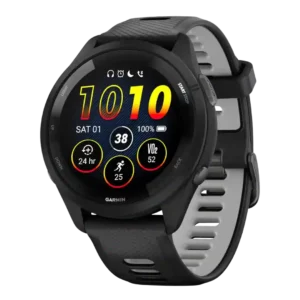
Heart-rate accuracy was one of the strongest areas across reviews, with several chest-strap comparisons looking very close, though one reviewer had serious tattoo-related read failures.
Pros: battery life, value for money
Cons: mapping and navigation, smartwatch features
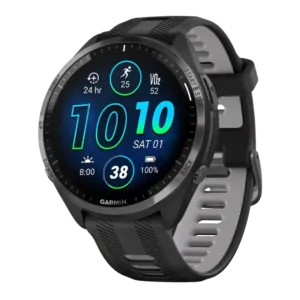
Heart-rate accuracy was generally strong and often close to chest straps, though high-intensity intervals could show lag or spotty readings.
Pros: battery life, GPS accuracy
Cons: smartwatch features, charging convenience
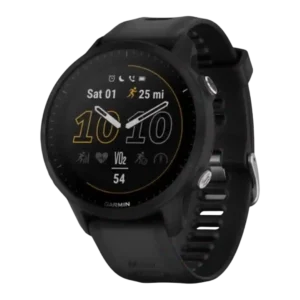
Heart rate accuracy drew mostly positive evidence, especially for running and intervals, with some caveats for high-intensity or strength-style wrist strain.
Pros: GPS accuracy, battery life
Cons: onboard music storage, charging convenience
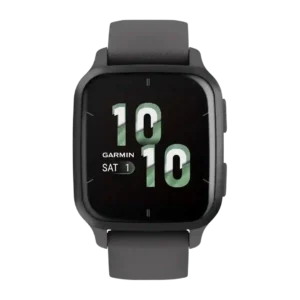
Heart-rate accuracy drew strong agreement, with many reviewers saying it closely matched chest straps or competing premium watches, while a few saw lag or high maximum readings.
Pros: battery life, display quality
Cons: smartwatch features, style and design
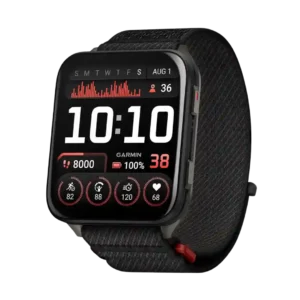
Heart-rate accuracy was usually praised against chest straps, but one reviewer reported recurring treadmill-start inaccuracies.
Pros: display quality, comfort
Cons: battery life, value for money
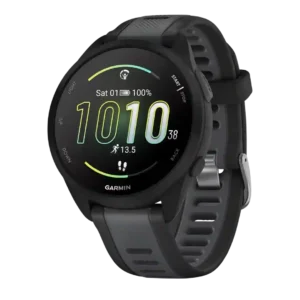
Heart-rate accuracy was generally praised across runs, rides, and intervals, with only occasional optical-sensor lag or spikes.
Pros: value for money, GPS accuracy
Cons: recovery insights, onboard music storage
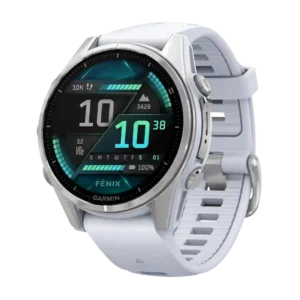
Heart-rate accuracy was usually strong and often close to chest straps, though interval, ultra, and wrist-optical limitations created some mixed results.
Pros: battery life, GPS accuracy
Cons: value for money, call handling
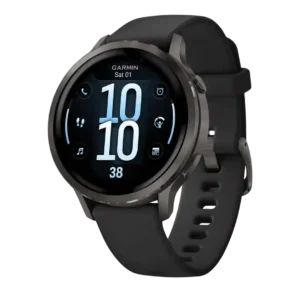
Heart-rate evidence was mostly positive across runs, workouts, and chest-strap comparisons, with a few reviewers noting minor dips, lag, or blips during intervals and gym work.
Pros: battery life, GPS accuracy
Cons: value for money, voice assistant quality
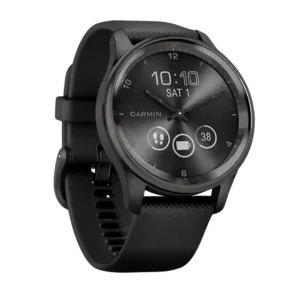
Heart-rate tracking was usually praised as reliable for casual use, with reviewers noting close agreement with straps or other watches, though some saw lag or older-sensor limitations.
Pros: style and design, charging convenience
Cons: battery life, charging speed

Heart-rate tracking is generally strong for running and mixed training, with several reviewers calling the older Elevate 4 sensor very good. Hard intervals and strength work can expose some lag,...
Pros: value for money, GPS accuracy
Cons: mapping and navigation, third-party app support

The older Gen 4 optical sensor performs well for steady running and often tracks closely with chest straps. Intervals, cycling, cold weather, and rapid recovery changes can produce occasional lag...
Pros: battery life, value for money
Cons: mapping and navigation, smartwatch features
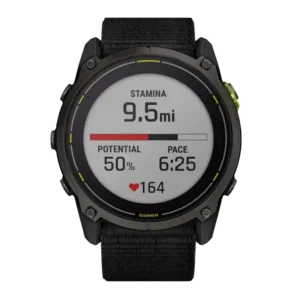
Heart-rate accuracy was usually strong, especially for steady running and baseline tests, but several reviewers saw misses during intervals, climbs, strength work, or fast intensity changes.
Pros: battery life, value for money
Cons: smartwatch features, size options
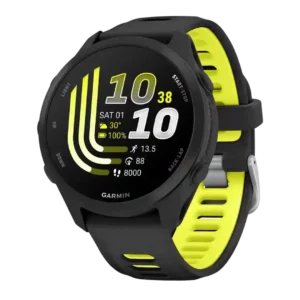
Steady running and treadmill readings usually tracked closely to chest straps. Rapid intervals, strength work, steep climbs, and some trail sessions exposed lag from the older sensor.
Pros: value for money, battery life
Cons: mapping and navigation, materials quality
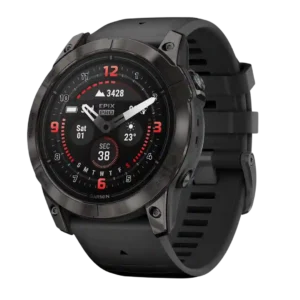
Heart rate accuracy is generally strong, especially against chest straps in runs and workouts, though cycling surges and effort changes can still lag.
Pros: battery life, GPS accuracy
Cons: user interface, fit
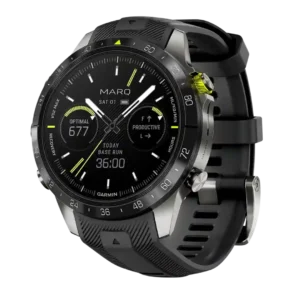
Heart-rate evidence was mostly positive for steady workouts and general use, with caveats around wrist-based lag, cycling strain, and short intervals.
Pros: display quality, battery life
Cons: value for money, smartphone notifications
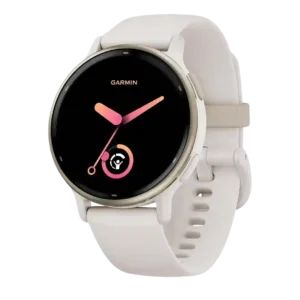
Heart rate accuracy was mostly good but not flawless; steady-state tracking scored well while intervals and spikes caused some caveats.
Pros: value for money, GPS accuracy
Cons: sleep tracking accuracy, recovery insights
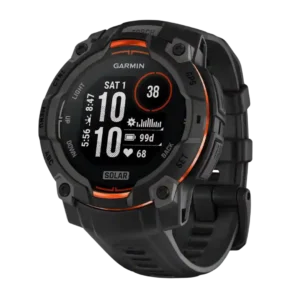
Heart rate accuracy is mixed: steady efforts are generally good, but intervals, sudden spikes, and older Gen 4 limitations drew criticism.
Pros: battery life, display quality
Cons: mapping and navigation, smartwatch features
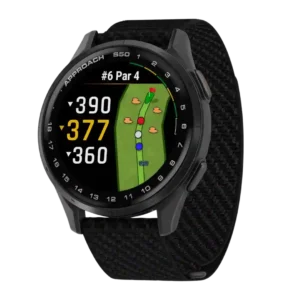
Heart rate tracking evidence was mixed: the built-in sensor enabled valuable tracking, but reviewers noted it used older Gen 4 hardware.
Pros: value for money, comfort
Cons: fit, band quality
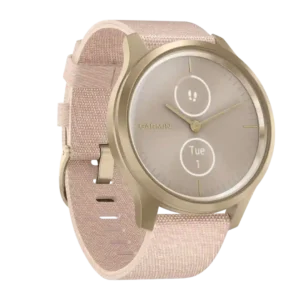
One reviewer found heart-rate accuracy sufficient for workout use, while noting it was not presented as best-in-class.
Pros: style and design, battery life
Cons: touchscreen responsiveness, display quality
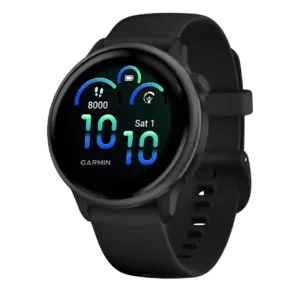
Heart-rate evidence is mixed: several reviewers found it reliable for steady workouts, but many saw lag, dips, or weaker results during intervals, rapid changes, and weightlifting.
Pros: battery life, comfort
Cons: heart rate accuracy, sleep tracking accuracy
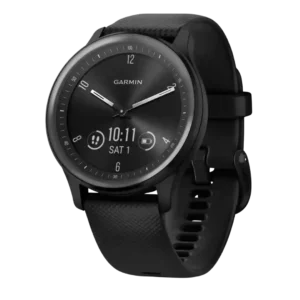
Heart-rate evidence split by use: casual and steady workouts were often close enough, but high-intensity, outdoor cycling, and some reviewer comparisons showed lag, overreading, or underreading.
Pros: value for money, style and design
Cons: battery life, display quality
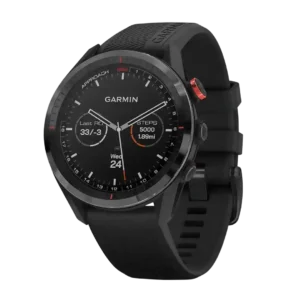
Heart-rate accuracy drew concern in two video transcripts, including a frightening abnormal-rate alert and a reading while the watch was not being worn.
Pros: mapping and navigation, value for money
Cons: coaching features, smartphone notifications