#1
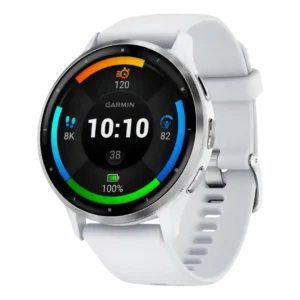
Heart-rate accuracy is one of the strongest areas: most reviewers found it close to chest straps or other trusted wearables, with only minor or context-specific caveats.
Pros: battery life, GPS accuracy
Cons: smartwatch features, smartphone notifications
#2
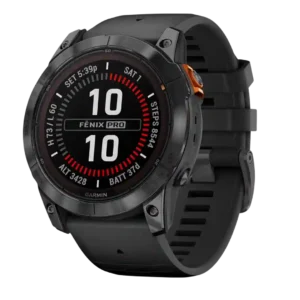
Heart rate accuracy was generally strong, especially versus prior Garmin sensors, though reviewers still noted cycling, descents and strength work caveats.
Pros: battery life, mapping and navigation
Cons: value for money, score tracking
#3
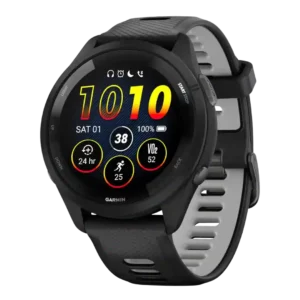
Heart-rate accuracy was one of the strongest areas across reviews, with several chest-strap comparisons looking very close, though one reviewer had serious tattoo-related read failures.
Pros: battery life, value for money
Cons: mapping and navigation, smartwatch features
#4
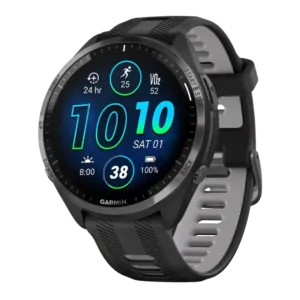
Heart-rate accuracy was generally strong and often close to chest straps, though high-intensity intervals could show lag or spotty readings.
Pros: battery life, GPS accuracy
Cons: smartwatch features, charging convenience
#5
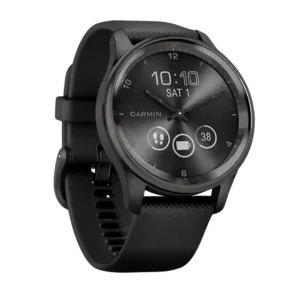
Heart-rate tracking was usually praised as reliable for casual use, with reviewers noting close agreement with straps or other watches, though some saw lag or older-sensor limitations.
Pros: style and design, charging convenience
Cons: battery life, charging speed
#6
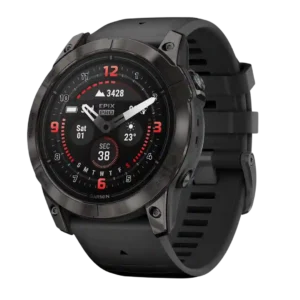
Heart rate accuracy is generally strong, especially against chest straps in runs and workouts, though cycling surges and effort changes can still lag.
Pros: battery life, GPS accuracy
Cons: user interface, fit
#7
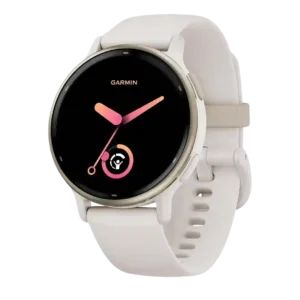
Heart rate accuracy was mostly good but not flawless; steady-state tracking scored well while intervals and spikes caused some caveats.
Pros: value for money, GPS accuracy
Cons: sleep tracking accuracy, recovery insights
