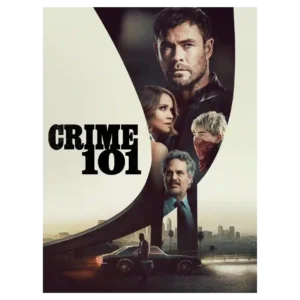
The synth-heavy Blanck Mass score is a standout, repeatedly praised for pulsing tension, melancholy, and late-night heist energy without overpowering the images.
Pros: action sequences, genre satisfaction
Cons: originality, runtime

The synth-heavy Blanck Mass score is a standout, repeatedly praised for pulsing tension, melancholy, and late-night heist energy without overpowering the images.
Pros: action sequences, genre satisfaction
Cons: originality, runtime

Son Lux’s electronic score receives emphatic praise, with several reviewers calling it incredible, wonderful, or among the year’s best. It adds propulsion while reinforcing the film’s spiritual and cultural texture.
Pros: lead performance, action sequences
Cons: plot clarity, pacing
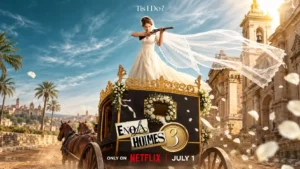
The musical accompaniment is praised for fitting the adventure and adding energy without dominating the scenes.
Pros: entertainment value, lead performance
Cons: mystery quality, pacing
The score is repeatedly praised for building dread, atmosphere, and intensity, especially as Tommy’s return pushes the film toward its climax.
Pros: ending satisfaction, faithfulness to source material
Cons: story quality, pacing
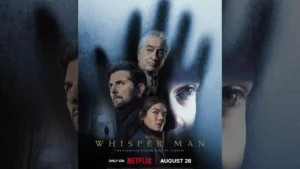
Colin Stetson’s tense, unconventional music is a standout technical strength, praised for sustaining dread without overpowering the atmosphere.
Pros: acting performance, scares
Cons: entertainment value, character development

Ari Balouzian’s music shifts between soothing, sly, and menacing moods, helping domestic scenes turn disquieting without losing their strange humor.
Pros: originality, humor
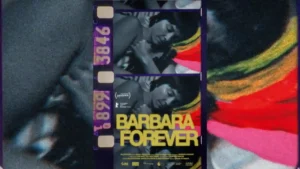
Taul Katz’s score is praised for beautifully complementing an affecting montage of medical and film imagery.
Pros: directing quality, archival footage quality
Cons: Biographical coverage
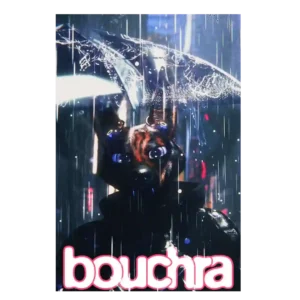
Flavien Berger’s music deepens the film’s dreamy, nocturnal, and sensual atmosphere, making quiet scenes feel more emotionally charged.
Pros: animation quality, story quality
Cons: plot clarity, pacing
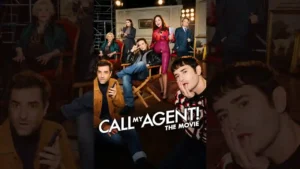
A soaring, cinematic treatment of the familiar theme makes the score feel bigger while remaining recognizable.
Pros: celebrity cameos, humor
Cons: pacing, ensemble balance

Cosmo Sheldrake’s score receives emphatic praise for its distinctive use of altered birdsong and broken-carnival texture.
Pros: lead performance, production design
Cons: humor, message quality

The score heightens urgency and pressure while supporting the joy of seeing the park emerge. Its emotional shaping is praised as a crucial part of the film.
Pros: entertainment value, archival footage quality
Cons: theme depth, runtime

Christopher Benstead’s booming score is singled out as a major contributor to the film’s excitement.
Pros: entertainment value, action sequences
Cons: character development, plot clarity

Mark Mancina’s Pacific Island–inflected choral scoring gives the finale weight and urgency. The music is especially effective when supporting the story’s cultural and emotional peaks.
Pros: soundtrack quality, chemistry between characters
Cons: originality, visual style
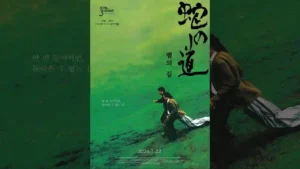
Nicolas Errèra’s urgent music effectively raises the pressure during the captivity scenes and sharpens the sense of survival.
Pros: suspense, genre satisfaction
Cons: originality, plot originality
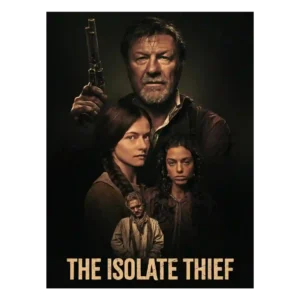
The score is singled out for its melancholy tone, matching the isolation and emotional heaviness of the winter setting.
Pros: suspense, originality
Cons: pacing, violence level
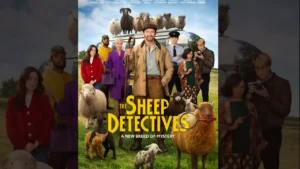
Christophe Beck’s score is strongly praised for adding warmth, mystery and emotional ache at exactly the right moments.
Pros: entertainment value, theme depth
Cons: plot originality, pacing

Natalie Holt's lively, expressive score does crucial emotional and comic work, with horror textures that reinforce the seasonal atmosphere.
Pros: humor, animation quality
Cons: pacing, originality

The original score is warmly received for supporting both emotion and cultural identity, including the use of Filipino and Indigenous musical textures.
Pros: animation quality, visual style
Cons: pacing, character development
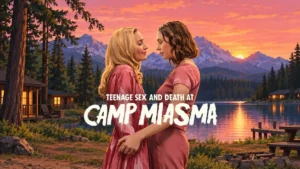
Alex G’s score is repeatedly praised for its dreamy, inspired mood and its ability to keep the surreal slasher world buoyant.
Pros: genre satisfaction, theme depth
Cons: plot clarity, ending satisfaction
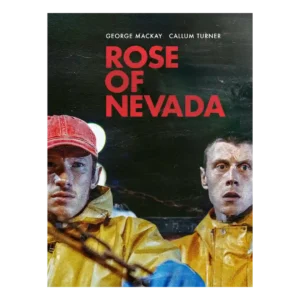
Jenkin’s eerie electronic and organ-like score reinforces the sense of temporal dislocation and grief. It shifts between low menace and mournful abstraction without overwhelming the handmade soundscape.
Pros: sound design, visual style
Cons: plot clarity, pacing
The score is praised as eerie, dark, playful, and tension-building, with reviewers noting how it accentuates big moments while keeping unease simmering underneath.
Pros: lead performance, entertainment value
Cons: ending satisfaction, character development

Ari Balouzian’s throbbing, queasy score is repeatedly praised for increasing tension and feeding the film’s horror atmosphere.
Pros: lead performance, visual style
Cons: theme depth, story quality

The electronic score is repeatedly praised for giving the screen-based action momentum and matching the frantic pace of the heist.
Pros: entertainment value, suspense
Cons: character development, audience appeal
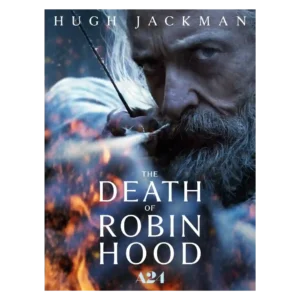
Jim Ghedi’s folk-inflected score is widely praised for its mournful power. It deepens the old-world atmosphere and gives the film emotional lift when the drama turns sparse.
Pros: visual style, cinematography
Cons: story quality, pacing

The score is a standout, shifting between dreamlike, minimalist, hysterical, and subdued moods with ease. It provides emotional continuity when the story itself becomes fragmented.
Pros: animation quality, visual style
Cons: story quality, plot clarity
Malcolm Parson’s soulful, wistful piano writing is praised for binding the film’s disparate images and ideas together without overpowering them.
Pros: theme depth, visual style
Cons: pacing, screenplay quality
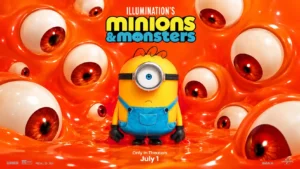
The musical score and lively cues support the fast action and nostalgic cinematic flavor without overwhelming the comedy.
Pros: humor, classic cinema references
Cons: story quality, pacing
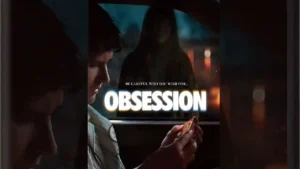
The synth-heavy score is repeatedly praised as haunting, gorgeous, atmospheric, and crucial to the film’s escalating dread. Reviewers often describe it as one of the production’s standout elements.
Pros: acting performance, scares
Cons: screenplay quality, world-building
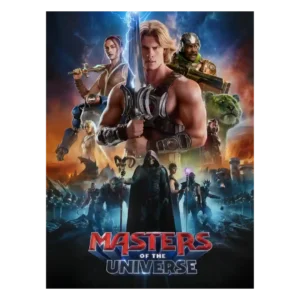
The glam-rock score is one of the most consistently praised elements, giving the action scale, momentum, and an unmistakable 1980s identity.
Pros: faithfulness to source material, action sequences
Cons: entertainment value, humor

Daniel Pemberton’s score is a major strength, frequently described as sweeping, unusual, emotional and integral to the film. One dissent finds the constant grandeur overbearing and tension-flattening.
Pros: lead performance, story quality
Cons: runtime, tonal consistency
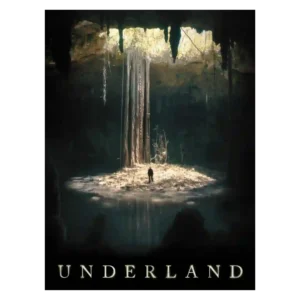
Hannah Peel’s ethereal score complements the imagery and shifts effectively among natural, industrial, and scientific spaces. It is consistently praised as a major part of the film’s immersive atmosphere.
Pros: directing quality, story quality
Cons: runtime, screenplay quality

The orchestral music lends reading and thinking an unexpectedly dramatic weight. Swells and crescendos work closely with the reveals and the timing of text sequences.
Pros: Atmosphere, cinematography
Cons: audience appeal
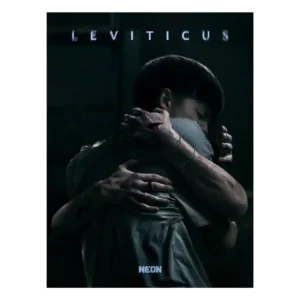
Jed Kurzel’s score blends melancholy with low, ominous pressure. It supports both the romance and the dread without overwhelming the film’s quieter moments.
Pros: acting performance, chemistry between characters
Cons: originality, pacing
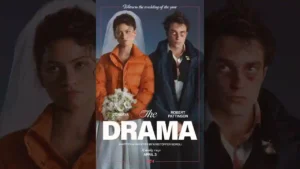
Daniel Pemberton’s score is a standout technical element, frequently praised for its anxious, prickly, off-kilter quality and its ability to intensify otherwise ordinary scenes.
Pros: humor, theme depth
Cons: character development, screenplay quality

Michael Abels’ score is consistently praised as pounding, thrilling, or highly effective at intensifying the film’s suspense and action.
Pros: action sequences, humor
Cons: CGI quality, ending satisfaction
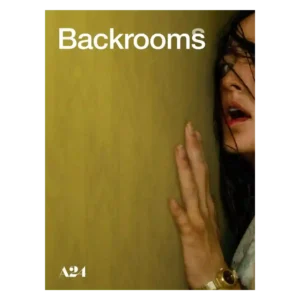
The eerie ambient score blends into the fluorescent hum and feels as though it emerges from the Backrooms itself. Its restrained, insidious textures support dread without overpowering the imagery.
Pros: acting performance, scares
Cons: ending satisfaction, plot clarity
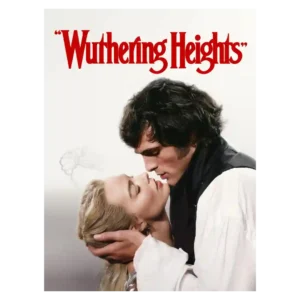
Anthony Willis’s score is one of the most consistently praised elements, described as haunting, sumptuous, and emotionally forceful even when the drama itself falls short.
Pros: visual style, production design
Cons: romance quality, faithfulness to source material
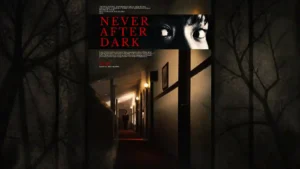
Snipes’ music is repeatedly praised for eerie texture and well-judged restraint. Chimes, vocals, and unusual tones blend with the building’s noises to increase pressure.
Pros: directing quality, scares
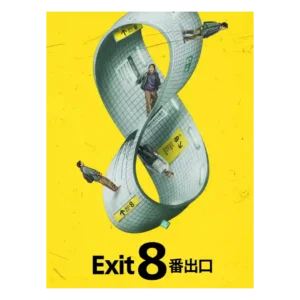
The restrained score and recurring motifs are praised for supporting the atmosphere, with several reviewers highlighting forceful musical cues. One review found the score less memorable than the sound design.
Pros: story quality, theme depth
Cons: pacing
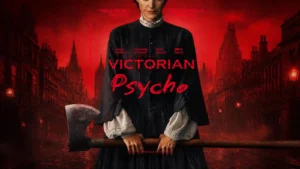
Ariel Marx’s score is consistently praised for its lyrical, stormy and theatrical qualities. Strings, whispers and darker orchestral textures help intensify Winifred’s descent and reinforce the Gothic atmosphere.
Pros: genre satisfaction, lead performance
Cons: ending satisfaction, screenplay quality
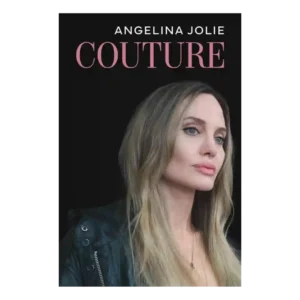
The solemn, gothic score adds emotional weight and elevates the film’s strongest images. Its blend of organ-like textures and electronics suits the haunted fashion atmosphere.
Pros: emotional impact, lead performance
Cons: character development, screenplay quality
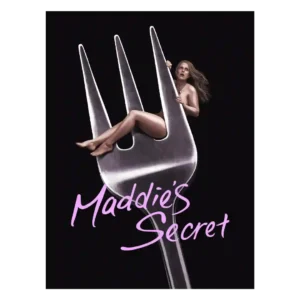
The intentionally retro, slightly cheesy score reinforces the movie-of-the-week atmosphere and tongue-in-cheek mood. Its period influence is clear without overwhelming the drama.
Pros: lead performance, tonal consistency
Cons: audience appeal, entertainment value
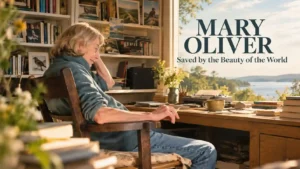
Soft, meditative music supports the intimate mood. Its integration with nature imagery is praised for serving the story elegantly.
Pros: directing quality, interview quality
The musical score is praised alongside the soundtrack for helping carry the story between lighter and darker material.
Pros: chemistry between characters, lead performance
Cons: entertainment value, runtime

Randy Newman’s score blends playfulness with familiar melancholy and helps the quieter scenes land. Its recurring emotional textures connect the new story to the franchise’s past.
Pros: story quality, message quality
Cons: originality, plot clarity

The recurring friendship theme is designed to connect emotional scenes and, according to the composer, gives the score cohesion without competing with the many songs.
Pros: dance choreography, cultural representation
Cons: plot originality, romance quality
Seamus Egan’s lively, Irish-inflected music helps preserve momentum when the pace slows. The score adds warmth and cultural texture without overpowering the family scenes.
Pros: acting performance, cinematography
Cons: entertainment value, story quality
The synth score is praised for fitting the lighthearted, feel-good atmosphere and supporting a sequence of sexual tension.
Pros: story quality, emotional impact
Cons: originality

The disaster-movie musical cues and retro callbacks help establish the spoof tone, with the Poseidon Adventure-style opening music receiving particular praise.
Pros: humor, audience appeal
Cons: entertainment value, pacing
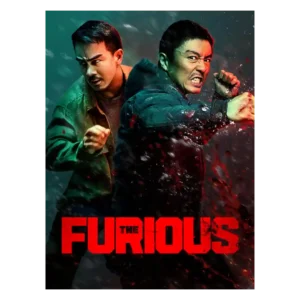
The electronic score heightens the film’s already intense action and helps make major set pieces feel even more forceful.
Pros: action sequences, lead performance
Cons: dialogue quality, story quality