Best for Discussion viewing
When a Witness Recants
5.0 attribute score
Highest scored product for this attribute based on supporting review evidence.

Highest scored product for this attribute based on supporting review evidence.
Balances the attribute score, supporting reviews, and overall product strength.
Has the broadest review evidence for this attribute.
Strongest overall product among items with scored evidence for this attribute.

Overall: 4.3/5
Open moral questions, the mythology, and the relation between private crime and public violence make this fruitful discussion material.
Pros: Political context depth, cinematography
Cons: pacing, originality
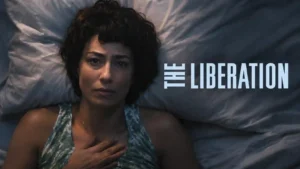
Overall: 4.0/5
The clash between personal freedom, family obligation and manipulative belonging gives viewers substantial moral questions to discuss afterward.
Pros: acting performance, lead performance
Cons: writing quality, Narrative structure

Overall: 4.6/5
Questions of responsibility, coercion, forgiveness and systemic blame make this a compelling film to debate after viewing.
Pros: Final confrontation, story quality
Cons: Narrative structure, film framing

Overall: 4.6/5
The film raises uncomfortable questions about parenting, legal justice and the obligations of witnesses. It is especially suitable for a group prepared to discuss those choices afterwards.
Pros: lead performance, acting performance
Cons: rewatch value, Character decision plausibility
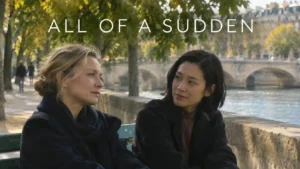
Overall: 4.4/5
The ideas about capitalism, dignity, disability and connection invite sustained discussion and reflection.
Pros: friendship portrayal, message quality
Cons: Exposition quality, ensemble balance

Overall: 3.1/5
The story offers families a natural opportunity to discuss kindness, giving and the responsibility that comes with success.
Pros: acting performance, message quality
Cons: story quality, entertainment value

Overall: 3.2/5
The bank-robbing premise raises conversations about inequality, crime, and whose actions count as justified, even if its answers are incomplete.
Pros: entertainment value, cast chemistry
Cons: message quality, character development

Overall: 3.8/5
The film gives families approachable openings to talk about bullying, assumptions, fairness and the repair of sibling relationships. Its characters are imperfect enough to support meaningful discussions.
Pros: story quality, family dynamics
Cons: originality, animation quality

Overall: 3.9/5
The questions about complicity, power and manipulation give viewers plenty to discuss after the credits.
Pros: lead performance, acting performance
Cons: pacing, runtime

Overall: 3.0/5
The themes of courage, mentorship, bullying and vulnerability provide useful material for family conversations, particularly about where Jake's advice succeeds and falls short.
Pros: Mentorship portrayal, emotional impact
Cons: lead performance, story quality

Overall: 4.1/5
Dreams, psychological control, family dysfunction, and the boundary between imagination and reality provide substantial discussion material. The film offers more to unpack than its memorable kills.
Pros: villain quality, scares
Cons: ending satisfaction, acting performance
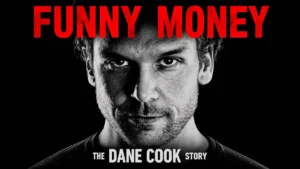
Overall: 4.1/5
The unresolved motives and shifting testimony offer plenty to debate after the credits.
Pros: Financial betrayal exploration, story quality
Cons: pacing, biographical depth

Overall: 3.0/5
The film’s themes of hope, duty, and kindness make it useful for discussion with older children and teens.
Pros: lead performance, Vocal characterization
Cons: Biographical coverage, emotional impact

Overall: 2.6/5
The questions of loyalty, moral choices and action violence provide material for families to discuss with older teens afterward.
Pros: action sequences, lead performance
Cons: entertainment value, faithfulness to source material

Overall: 4.1/5
Its controversial ending, historical fantasy and competing views of nostalgia offer plenty to debate afterward.
Pros: entertainment value, Sharon Tate portrayal
Cons: pacing, ending satisfaction

Overall: 4.7/5
Ambiguous motives and different possible readings make the film particularly rewarding to talk through afterward. The ideas keep unfolding beyond the screening.
Pros: class commentary, character development

Overall: 4.6/5
Its questions about parenting, filming, and grief make it a strong choice for thoughtful conversation afterward.
Pros: emotional impact, theme depth
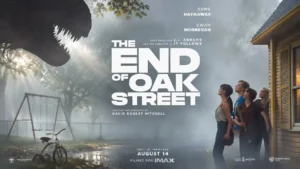
Overall: 3.8/5
A particularly good match for discussion fans, thanks to the dinosaur action, energetic atmosphere, and family-centered thrills.
Pros: entertainment value, acting performance
Cons: character development, writing quality

Overall: 3.7/5
Its cruel competition, government manipulation, and questions about spectatorship invite conversations about violence, society, and morality.
Pros: entertainment value, lead performance
Cons: character development, cinematography

Overall: 4.5/5
The challenging family choices and mature ideas invite conversation after the film. Families comfortable with the intensity can use it to discuss grief, courage, and growing up.
Pros: animation quality, practical effects quality
Cons: originality, runtime

Overall: 4.7/5
Unresolved motives, disputed memories, and formally adventurous reenactments practically invite a long conversation afterward. The shifting sense of truth is central to the appeal.
Pros: originality, humor
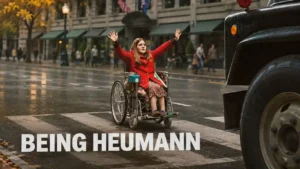
Overall: 3.9/5
The film opens up questions about collective action, competing needs and who gets heard within a movement, offering plenty to debate afterward.
Pros: lead performance, character development
Cons: writing quality, sentimental treatment
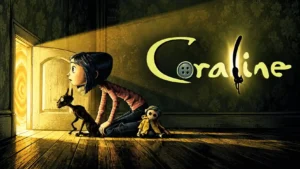
Overall: 4.2/5
A rewarding starting point for conversations about gratitude, manipulation, childhood agency, and the meaning of visual clues. The open mythology also encourages competing interpretations.
Pros: animation quality, scares
Cons: pacing, family dynamics

Overall: 3.0/5
The competing identities, symbolic imagery, and sharply divided reactions make this fertile conversation material. It can remain interesting to debate even when the movie itself frustrates.
Pros: acting performance, lead performance
Cons: directing quality, entertainment value

Overall: 3.6/5
Questions about fear, political violence, and public responsibility make this a strong conversation starter. The moral contradictions offer plenty to debate after the spectacle ends.
Pros: acting performance, lead performance
Cons: message quality, faithfulness to source material
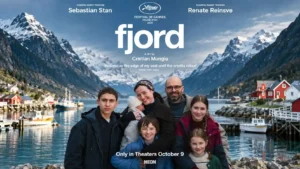
Overall: 3.8/5
Shared viewing followed by conversation is a particularly strong fit. Competing interpretations of parenting, tolerance, and the ending give groups plenty to debate.
Pros: theme depth, lead performance
Cons: message quality, character development

Overall: 3.9/5
The religious paradoxes, institutional criticism and questions about the meaning of faith provide material for conversation after the film.
Pros: Religious messaging, theme depth
Cons: directing quality, pacing

Overall: 4.3/5
Its uncertain reality and unresolved ending encourage substantial conversation. There is room to debate both what happens and how its visual language expresses mourning.
Pros: Grief portrayal, ending satisfaction
Cons: plot clarity, pacing

Overall: 3.7/5
The film invites reflection on whether an artist can borrow another person’s private suffering, leaving plenty to debate after it ends.
Pros: Creative process insight, Filming ethics
Cons: Narrative structure, emotional impact

Overall: 4.1/5
The film provides ample material for conversations about masculinity, shame, self-worth, and the appeal of cosmetic change. Its open-ended approach can stimulate reflection even where answers remain incomplete.
Pros: Masculinity portrayal, directing quality
Cons: Medical industry scrutiny, Gore-sensitive viewing
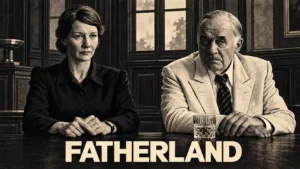
Overall: 4.3/5
Questions about home, grief, political co-option, and history give viewers plenty to discuss afterward. Even a mixed response can lead to interesting conversations.
Pros: acting performance, lead performance
Cons: plot clarity, entertainment value

Overall: 4.3/5
The film invites talk about horror rules, media, audience expectations and hidden meanings. Its layered jokes and clues give viewers plenty to unpack afterward.
Pros: Meta-horror satire, suspense
Cons: Slasher kill execution, romance quality

Overall: 3.1/5
The film can prompt substantial discussion about sacrifice, leadership, enemy dignity, and the lives consumed by war. A discussion afterward is particularly valuable when older teens watch.
Pros: action sequence quality, acting performance
Cons: character development, message quality

Overall: 3.8/5
Scientific hubris, the nature of evil, and Weir’s complicity give a post-film conversation plenty to work through.
Pros: production design, acting performance
Cons: editing quality, story quality
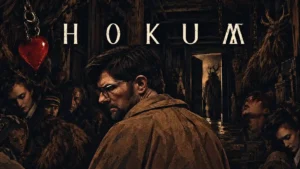
Overall: 4.1/5
Questions about reality, hallucination, and the ending encourage discussion after the film. The ambiguity gives viewers something to unpack rather than a single tidy explanation.
Pros: acting performance, lead performance
Cons: pacing, story quality

Overall: 2.4/5
Parenting choices, genetic enhancement, sacrifice and imperfect human value offer substantial discussion topics even when the drama underdelivers.
Pros: lead performance, visual style
Cons: emotional impact, directing quality

Overall: 3.5/5
The film’s self-sabotage, industry barriers, and difficult choices can sustain conversation after viewing. Enthusiastic viewers describe continuing to think and talk about it.
Pros: lead performance, acting performance
Cons: character development, writing quality

Overall: 4.2/5
The film lends itself to discussion of identity, relationships and personal interpretation. Even the question of whether it belongs to Halloween or Christmas can fuel an enjoyable debate.
Pros: soundtrack quality, animation quality
Cons: character development, runtime

Overall: 4.0/5
Questions of police oversight, public trust, and professional responsibility give the film clear value for discussion. The investigation is intended to leave social and moral issues open for consideration.
Pros: lead performance, directing quality
Cons: originality, pacing

Overall: 4.1/5
The film offers substantial discussion material about social media, teenage self-harm, and the support grieving families need. These questions extend beyond the immediate search.
Pros: Grief portrayal, cinematography
Cons: pacing

Overall: 3.2/5
The final choice invites debate about which version of a loved one deserves loyalty. It offers a clear starting point for discussing grief, attachment, and uncomfortable moral compromises.
Pros: lead performance, acting performance
Cons: AI portrayal, emotional impact
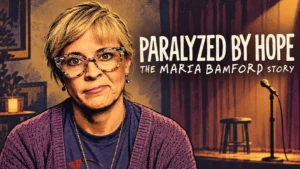
Overall: 4.2/5
The personal material opens useful conversations about mental health and the role comedy can play in discussing it.
Pros: lead performance, humor
Cons: originality, audience appeal

Overall: 4.4/5
The competing ideas about guilt, friendship and power provide substantial material to unpack afterward. The film also leaves room to debate how far sympathy should extend to its protagonists.
Pros: acting performance, lead performance
Cons: narrative repetition, ensemble balance

Overall: 4.5/5
The film opens conversations about diaspora memory, families separated by work, women’s labor and the politics of cultural identity. Its historical omissions can make that discussion richer.
Pros: emotional impact, cultural representation
Cons: score quality, character development

Overall: 4.2/5
The ethical clash over public disclosure and a community's responsibilities provides rich material for reflection, even if a few critics want it explored further.
Pros: acting performance, lead performance
Cons: editing quality, directing quality

Overall: 3.8/5
The questions of complicity, trust, love, and responsibility offer substantial material for conversation. The absence of easy moral answers is part of the appeal.
Pros: story quality, acting performance
Cons: Narrative structure, writing quality

Overall: 4.2/5
Questions about robot rights, ideal partners and reciprocal love leave plenty to discuss afterward. The film’s openness allows different relationship experiences to produce different conclusions.
Pros: theme depth, lead performance
Cons: plot twists, Family relationships

Overall: 4.1/5
Unresolved events and overlapping metaphors give viewers plenty to debate afterward. The story supports competing readings without settling them all.
Pros: cinematography, score quality
Cons: world-building, pacing

Overall: 4.2/5
Questions about who decides for a vulnerable loved one give the film considerable discussion value. One dissenting view finds its provocation more ambitious than its substance.
Pros: acting performance, supporting cast performance
Cons: Narrative structure, ending satisfaction

Overall: 3.5/5
The unanswered questions offer plenty to discuss about identity, reality, and invention. That appeal depends on enjoying interpretation even when the immediate resolution feels frustrating.
Pros: acting performance, lead performance
Cons: pacing, writing quality