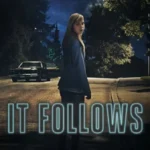
Sexual encounters, full-frontal nudity, and a sexualized killing accompany sustained stalking terror and a graphic mutilated corpse. Drugging, abduction, and language add to the mature material.
Official ratingR
Bottom Line
Choose it for patient, atmospheric horror, a striking synth score, and friends worth rooting for. Skip it if you want frequent shocks, plentiful gore, or a clear-cut payoff.
Patient horror viewers who enjoy searching the frame for danger, interpreting ambiguous themes, and revisiting subtle details. Classic-horror enthusiasts and viewers interested in filmmaking craft have particular reasons to watch.
Viewers seeking light comfort, frequent shocks, or sustained gore. Its persistent anxiety and unresolved payoff also make it a difficult fit for scare-sensitive viewers.
Verdict
It Follows turns a simple pursuit into an unusually persistent source of dread. Wide shots invite you to scan for danger, the electronic score makes ordinary spaces feel unsafe, and Maika Monroe gives the threat an emotional center. The friends’ loyalty adds warmth that many teen horror films lack. Its strengths depend on patience: long quiet passages can be absorbing or repetitive, and the monster’s rules invite questions the film does not consistently answer. The pool confrontation and ambiguous ending are especially divisive, offering haunting uncertainty to some and an inadequate payoff to others. It is strongest as a carefully crafted nightmare about intimacy and growing up, with atmosphere carrying more weight than explanation.
Wide compositions, slow pans, and distant approaching figures make viewers search the whole frame. The photography draws exceptional praise even from critics disappointed by the story.
The synth-heavy score is one of the film’s most praised elements, sustaining dread and giving the images force. Its volume, repeated buildups, and occasional jarring cues can also become overbearing.
The strongest scares let danger approach in plain sight and leave the audience scanning for it. Some find this exceptionally frightening, while others miss stronger shocks or find the visible forms unconvincing.
The electronic music gives the film a memorable retro identity and considerable listening appeal. Some find its constant presence or repeated rises too intrusive.
Patient framing and controlled reveals make a tiny premise feel threatening across whole scenes. Complaints focus on muddled rules, a few silly choices, and whether the buildup earns its resolution.
The sexually transmitted pursuit refreshes familiar slasher conventions for many viewers. Others see a clever hook surrounded by recognizable homages or missed possibilities.
Mixed eras, absent adults, and uncertain rules create an effective dream world for many viewers. Others find the monster’s mechanics too inconsistent or too thinly explained.
Slow movement and long takes give the threat time to become frightening. Repeated pursuit scenes and stretches of inactivity also make the film drag for some viewers.
The ending is the largest point of division: some love its uneasy ambiguity, while others feel the film stops without a proper payoff. The pool confrontation is similarly called inventive by some and miscalculated by others.
Believable teenage reactions and familiar locations often ground the nightmare. Decisions around the boyfriend, boat, and pool also draw substantial plausibility complaints.
The basic curse can be introduced cleanly, but the later rules and offscreen events leave substantial uncertainty. That ambiguity is either a strength or a source of frustration.
Ordinary human forms can make the pursuer exceptionally unnerving. Critics of the design find the naked or visibly strange disguises too conspicuous to sustain uncertainty.
Horror fan viewing: 4.4, 22 reviews, moderate consensus
Many horror enthusiasts consider it an outstanding example of dread built through craft. Those wanting frequent shocks, gore, or a firmer payoff may find it less satisfying.
The curse turns growing up into a frightening encounter with intimacy, responsibility, and mortality. Its bleak approach offers a substantial adolescent story through horror.
The loyal friends are a strong reason to watch, offering support rather than dismissing Jay’s fear. Their shared effort brings warmth to an otherwise bleak film.
Disturbing images and sustained dread make the film difficult for viewers who want mild scares. Several responses describe unusually intense fear rather than playful jolts.
David Robert Mitchell: 4.6, 36 reviews, strong consensus
Mitchell is widely praised for patient visual control and for making a simple premise feel threatening. Some find his ambiguity and artistic choices less successful when the rules or ending fail to satisfy.
Disasterpeace’s electronic score is frequently called a standout, combining memorable retro synths with persistent anxiety. A few responses find the music too loud, derivative, or jarring.
Gioulakis receives strong praise for beautiful wide compositions and controlled camera movement that turn the background into a threat. His color and lighting help sustain the dreamlike unease.
Monroe usually makes Jay’s fear, despair, and vulnerability feel authentic, encouraging empathy through quiet reactions. One response finds her competent rather than distinctive.
Compared with other Movies, this product is above average in dialogue quality, drama quality, originality, near average in world-building, score quality, below average in Poetry presentation, creature design, runtime.
Similar: atmosphereThe slow approach of the threat recalls Halloween.
Better: overall qualityThe film is worthwhile but falls short of Halloween’s classic status.
Worse: scoreThe score is judged more layered than Halloween’s.
the ring
Compared: curse transferThe transferred curse is directly compared to The Ring.
Compared: premiseThe premise is compared to a sexual version of The Ring.
Similar: premiseSex replaces the transferred video curse in the comparison.
the thing
Better: paranoiaThe reviewer wanted the paranoia of The Thing but finds it missing.
Similar: monsterBoth monsters imitate human forms.
Worse: scoreThe score is judged more layered than The Thing’s.
FAQ
What kind of horror is it?
It emphasizes a slowly approaching threat, paranoia, and sustained dread. Sudden scares occur, but they are not the main attraction.
Does the slow pace work?
Long takes build suspense for many viewers, while others find repeated pursuit scenes and quiet passages dull. Enjoyment depends heavily on patience.
Is the ending satisfying?
Opinions are sharply divided. Some find the ambiguity haunting and thematically fitting; others dislike the pool confrontation and lack of a firm resolution.
What stands out technically?
Wide compositions, slow camera movement, atmospheric lighting, and the synth-heavy score receive the strongest praise. Some find the music occasionally too loud or intrusive.
Is it worth watching again?
Several responses strongly recommend revisiting it. Background figures, visual motifs, and competing interpretations provide details to notice on another viewing.
Is it suitable for younger viewers?
It is best suited to ages 17 and up because of sexual material, full-frontal nudity, a graphic corpse, and sustained menace. The supplied U.S. rating is R.
Sample Expert Reviews We Analyzed
These are a few of the reviews included in our analysis.
Choose this inventive, unsettling documentary for fearless questioning, dark humor, and unpredictable storytelling. Skip it if you want a short, straightforward exposé with definitive answers.
Best for a hypnotic, bookish mystery with tactile visuals and cerebral chills. Skip it if reading-heavy, attention-demanding storytelling sounds more exhausting than exciting.
Best for an intimate, searching documentary that rewards focused attention and invites discussion. Skip it when devastating grief, addiction footage, and unresolved family tensions would be too much.
Best for patient suspense, an unforgettable score, and an unsettling masked killer. Skip it for very young children or if you want to avoid intense scares; its restrained kills also...