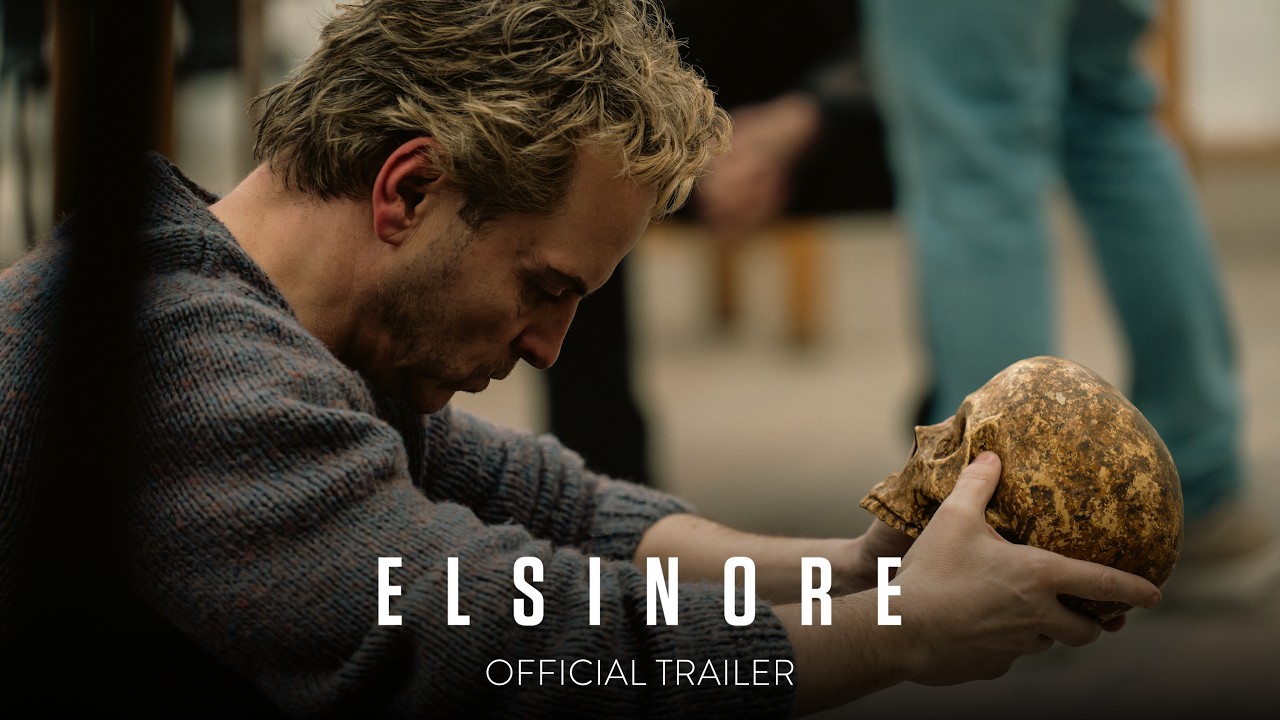
Andrew Scott gives a remarkable, deeply human performance as an actor facing death through Hamlet. The theater scenes and wit soar, though heavy montages and an insistent score can blunt the emotion.
Theater and Shakespeare enthusiasts, acting-focused audiences, and viewers drawn to emotionally rich stories about artistic purpose and resilience will find much to admire.
Not for
Viewers seeking a restrained or light emotional experience may struggle with the terminal-illness story, intense grief and forceful score. Those hoping for extended, uninterrupted Hamlet scenes may also be frustrated.
Verdict
Elsinore is built around an extraordinary performance from Andrew Scott, who portrays Ian Charleson as funny, proud, frightened and fiercely committed to the stage rather than merely as a tragic figure. The late-1980s theater world feels authentic, while Hamlet's lines give new urgency to the story of a man struggling to make his remaining time count. Olivia Colman, Billie Piper and a strong supporting company contribute warmth, humor and complex relationships, and the film depicts AIDS-era stigma alongside the solidarity of the community. The crucial tradeoff is in the filmmaking: some find the crosscutting between hospital and theater powerfully expressive, but many feel that repetitive montages, an emphatic score and familiar biopic moves distract from acting that hardly needs embellishment. Theater lovers and admirers of character-driven drama have plenty to appreciate, provided they can accept an emotionally intense, sometimes heavy-handed approach.
Content guidance
Scorata recommended age16+
An intense AIDS-era story includes painful illness, medical suffering, dying friends, strong language and nudity during a character’s self-examination. Sustained grief and stigma make it most suitable for mature teens and adults.
The performances, especially Andrew Scott's, give the film much of its force. Even critics who dislike the filmmaking recognize the actors' commitment.
lead performance: 4.9, 38 reviews, strong consensus
Andrew Scott's layered portrayal of Ian Charleson is the film's overwhelming highlight, moving between wry humor, private terror and the demands of Hamlet with extraordinary conviction.
Charleson's determination and fading health lead to a profoundly emotional experience, often balanced by humor. Some viewers may find the emotional pressure excessively managed.
Olivia Colman, Billie Piper and the wider ensemble are widely admired for their warmth and humanity, though a few critics find supporting characters underwritten or thinly used.
Stephen Beresford's screenplay explores artistic purpose, mortality and the cost of secrecy with feeling. Some find its biopic conventions and on-the-nose dialogue overly calculated.
The drama thoughtfully links the meaning of a life, artistic legacy, mortality, and public visibility during the AIDS crisis. Its symbolic parallels sometimes feel too obvious.
Simon Stone earns praise for making the theater world feel lived-in and emotionally immediate, but his emphatic direction and hurried montages frustrate several critics.
Some appreciate the film's willingness to embrace big feelings, while others find its swelling music and orchestrated tears blunt the more truthful moments.
The National Theatre architecture and intimate close-ups have admirers, while others find the handheld shooting and muted gray imagery drab or distracting.
The lively rehearsal-room detail and Scott's Shakespearean acting make this particularly rewarding for theater devotees, despite some frustratingly short stage sequences.
Charleson's refusal to abandon his life's defining passion makes for an inspiring, life-affirming experience that remains sorrowful without being solely about death.
The ethical clash over public disclosure and a community's responsibilities provides rich material for reflection, even if a few critics want it explored further.
Scott's astonishingly layered Ian Charleson is the constant point of agreement, spanning uproarious wit, fear, physical decline and a deeply affecting Hamlet.
Colman draws considerable praise as the stern but caring doctor, especially in her exchanges with Scott, although a few find the character one-note or humorless.
Stone is praised for theatrical intimacy and moving interplay between life and performance, but criticized for emphatic direction and overworked montages.
Beresford's screenplay finds warmth, humor and moral complexity within a painful history, though several critics object to familiar biopic shortcuts and direct exposition.
Compared with other Movies, this product is above average in LGBTQ+ representation, message quality, biographical depth, near average in supporting cast performance, live performance sequences, below average in score quality, directing quality, cinematography.
Comparison summary
47 compared features
Above average0.4+ pts higher
26(55%)
Same as averagewithin 0.3 pts
13(28%)
Below average0.4+ pts lower
8(17%)
Largest category differences
Attribute
This product
Category average
Difference
LGBTQ+ representation
4.8
3.3
+1.5
message quality
5.0
3.7
+1.3
biographical depth
4.3
2.7
+1.5
score quality
2.7
4.1
-1.4
originality
4.8
3.2
+1.6
runtime
4.5
2.9
+1.6
Symbolism
5.0
3.5
+1.5
theme depth
4.7
3.7
+1.1
Consider This Instead
If you want better supporting cast performance
Choose What They Had. It scores 4.9 vs 4.5 for supporting cast performance, with a 4.0 overall score.
BetterAllows more complete theatrical passages to unfold, making the dramatic work more immediate.
WorseMore artificial and less invested in the meaning of Shakespeare’s language.
WorseAlso creates a powerful Shakespeare-linked emotional experience, though the present film blends its mediums more effectively.
All of Us Strangers (2023)
BetterOffers a subtler portrayal of grief and a more accomplished performance by the same lead actor.
BPM (Beats Per Minute) (2017)
BetterBrings more heat and spectacle to an activist-centered AIDS story.
FAQ
Is Elsinore worth seeing for Andrew Scott?
Yes. His layered performance as Ian Charleson is by far the strongest point of agreement, even among critics who dislike aspects of the film.
Is Elsinore a sad film?
It deals with AIDS, mortality and loss and can be devastating, but gallows humor and the joy of theater keep it from being unrelentingly bleak.
Do I need to know Hamlet to follow Elsinore?
No. The story stands on its own, although familiarity with Shakespeare adds depth to its theatrical parallels and lines about death and legacy.
Does the film show much of the stage performance?
There are rehearsals and Hamlet scenes, but several critics wish the later performances played out longer instead of being woven into fast montages.
How are Olivia Colman and Billie Piper?
Both receive substantial praise for bringing warmth and personality to Charleson’s doctor and closest friend, although a few critics find their roles limited.
What are the main drawbacks?
The most frequent criticisms are choppy late editing, familiar biopic devices and an orchestral score that pushes emotions too hard.
What age is Elsinore appropriate for?
The film is rated R in the United States. Its adult language, sexual material, nudity and emotionally intense illness scenes make it more appropriate for mature viewers.
Sample Expert Reviews We Analyzed
These are a few of the reviews included in our analysis.
Choose this inventive, unsettling documentary for fearless questioning, dark humor, and unpredictable storytelling. Skip it if you want a short, straightforward exposé with definitive answers.
A singular voice, powerful piano playing and intimate film photography make this concert absorbing for receptive listeners. Its uninterrupted, often similar-sounding songs and lack of background context are an acquired...
Extraordinary performances and richly observed relationships make this a rewarding, emotionally forceful drama. Its nearly three-hour length and slow opening demand patience and undivided attention.
Best for a hypnotic, bookish mystery with tactile visuals and cerebral chills. Skip it if reading-heavy, attention-demanding storytelling sounds more exhausting than exciting.