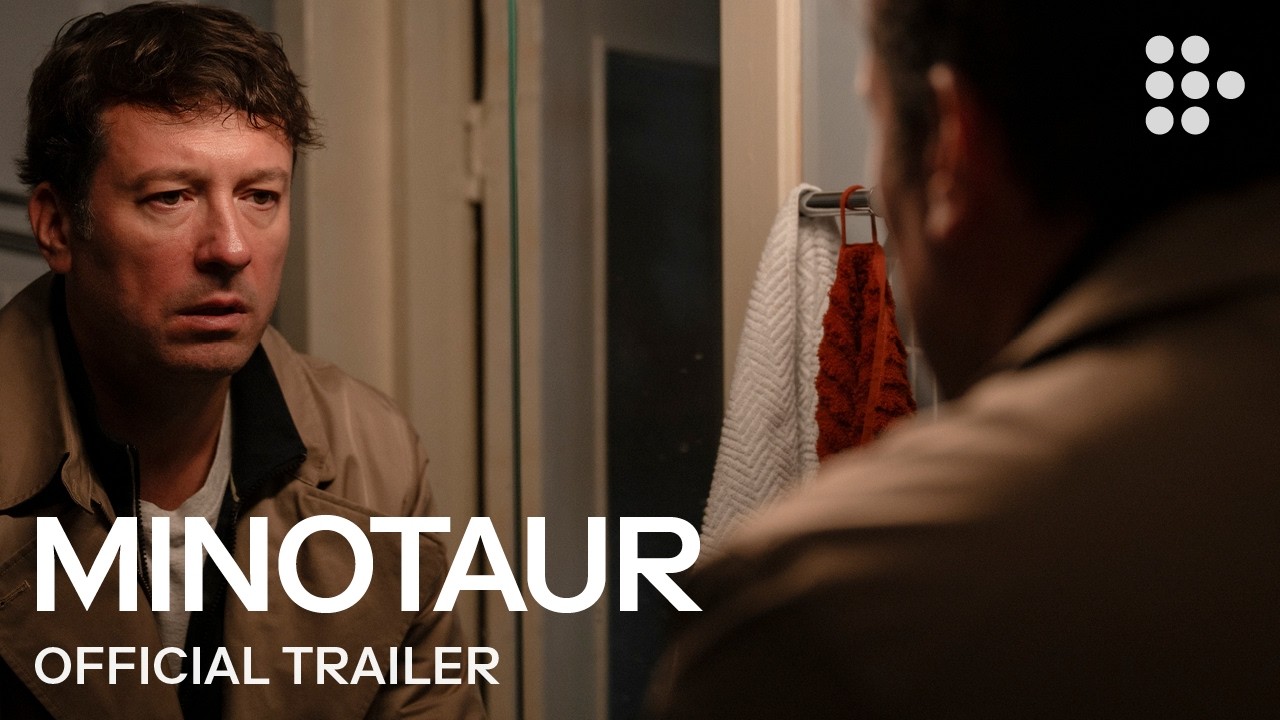
A meticulously filmed, fiercely political noir with superb performances and unnerving suspense. Its deliberate pace and familiar infidelity plot can leave some viewers cold.
Anyone seeking brisk pacing, an uplifting resolution, a deeply fleshed-out romance, or straightforward light entertainment.
Verdict
Minotaur transforms an old story of marital betrayal into an unsettling portrait of power in wartime Russia. Its strongest achievement is the way a businessman’s private crime echoes the state’s willingness to sacrifice ordinary people. Controlled performances from Dmitriy Mazurov and Iris Lebedeva, austere widescreen images, and a prolonged, darkly comic cleanup sequence make the moral tension hard to shake. The writing and direction usually earn their severity: empty rooms, silences, and seemingly routine decisions all reveal another layer of complicity. Yet the patient opening and familiar adultery framework divide opinion. Some find the central marriage underdeveloped, the allegory too blunt, and the ending punishing rather than illuminating. It is a particularly strong choice for viewers seeking serious political cinema and slowly accumulating noir suspense, not for those hoping for quick thrills or comforting closure.
Content guidance
Scorata recommended age16+
Contains a violent killing, bloody aftermath and prolonged body disposal, as well as adult sexual situations, some alcohol use, and disturbing wartime conscription themes.
Political context depth: 4.7, 33 reviews, moderate consensus
The invasion of Ukraine transforms a marital-crime story into an indictment of authoritarianism and complacency. Some think the connections are blunt or the political thread more powerful than the marriage.
Cold, meticulous widescreen images turn homes, streets, and offices into moral landscapes. Most find the framing hypnotic, although a few dislike the static, gray aesthetic.
A familiar tale of adultery and murder becomes a pointed fable about wartime Russia. Most admire the result, while skeptics find the domestic drama predictable or less engaging than the politics.
The forced conscription and culture of denial create a bleak attack on a society accepting wartime sacrifice. The critique resonates far beyond the domestic plot.
An unusually long, meticulous crime-cleanup sequence turns ordinary physical actions into gripping suspense and dark comedy. A few viewers struggle with the slower buildup.
The restrained ensemble conveys deep unhappiness, fear, and moral evasiveness without grand speeches. Most reactions single out the leads, though a dissenting voice finds the acting flat.
The slow, observational first half polarizes reactions. Many admire its patience and the sustained crime sequence, while others find the build-up tedious.
The borrowed adultery plot is immediately recognizable, but many find new urgency in its political relocation. Dissenters argue that the story and the director’s austere style reveal too few surprises.
character development: 2.0, 8 reviews, moderate consensus
Gleb’s ruthless psychology is vividly communicated, but Galina and the marriage are sometimes judged insufficiently explored. A few viewers feel shut out from both.
entertainment value: 2.3, 3 reviews, low consensus
For many, the extended suspense and devastating political portrait are engrossing. Others find the bleak pacing and emotionally remote characters exhausting rather than absorbing.
The strained marriage and a father’s instruction to his son mirror the wider culture of coercion. Some critics wish the son’s relationship had more dramatic weight.
The lead performances are rich, yet the script sometimes shortchanges Galina and the family relationships, making it a mixed choice for character-first viewers.
His disciplined framing and unsparing political vision earn widespread admiration. Dissenters find the familiar austerity too severe or the allegory blunt.
Her performance conveys Galina’s quiet frustration, volatility, and heartbreak through tiny shifts of expression and posture. She is a frequent standout.
Compared with other Movies, this product is above average in Political context depth, runtime, Gender and sexism portrayal, near average in Atmosphere, pacing, below average in plot twists, entertainment value, romance quality.
Comparison summary
48 compared features
Above average0.4+ pts higher
35(73%)
Same as averagewithin 0.3 pts
6(13%)
Below average0.4+ pts lower
7(15%)
Largest category differences
Attribute
This product
Category average
Difference
plot twists
1.0
3.3
-2.3
Political context depth
4.7
2.9
+1.8
runtime
5.0
2.9
+2.1
Gender and sexism portrayal
5.0
3.0
+2.0
dialogue quality
5.0
3.0
+2.0
tonal consistency
5.0
3.2
+1.8
writing quality
4.5
3.0
+1.5
realism
5.0
3.3
+1.7
Consider This Instead
If you want better humor
Choose Paper Tiger. It scores 5.0 vs 4.5 for humor, with a 4.1 overall score.
BetterIntegrates domestic drama with corruption more seamlessly than the newer film.
BetterOffers deeper and more mysterious political symbolism than the newer, more direct film.
BetterUses more expressive, spiritually resonant landscapes for its political criticism.
The Unfaithful Wife (1969)
ComparedDisposes of a body briskly, while the newer film lingers on messy aftermath.
SimilarIts adultery-and-murder plot remains quite close to the original, limiting the remake’s dramatic novelty.
ComparedThe original infidelity thriller is relocated to wartime Russia and given a sharper class dimension.
Loveless (2017)
WorseA more sprawling and depressing earlier drama; the newer film feels tighter.
SimilarAlso uses broken family life to expose a larger atmosphere of despair.
FAQ
Is Minotaur a political film or a crime thriller?
Both. A story of infidelity and murder becomes a critique of corruption and forced wartime conscription in Russia.
Do you need to have seen The Unfaithful Wife?
No. The story stands alone, though recognizing the earlier film can add interest to how the plot has been adapted.
Is Minotaur slow-paced?
Yes. The extended opening and long, quiet takes divide opinion, but many find the carefully observed crime sequence intensely gripping.
Are the performances good?
The central performances by Dmitriy Mazurov and Iris Lebedeva are major strengths, especially their restrained expressions of fear, alienation, and anger.
Is the movie violent or disturbing?
It includes a killing, visible blood and extended cleanup and disposal of a body, alongside an emotionally bleak portrayal of war and official cruelty.
Does it have a satisfying ending?
The ending is deliberately bleak and open to interpretation. Many find its final images haunting, while others criticize the bluntness or lack of closure.
Sample Expert Reviews We Analyzed
These are a few of the reviews included in our analysis.
Choose this inventive, unsettling documentary for fearless questioning, dark humor, and unpredictable storytelling. Skip it if you want a short, straightforward exposé with definitive answers.
A singular voice, powerful piano playing and intimate film photography make this concert absorbing for receptive listeners. Its uninterrupted, often similar-sounding songs and lack of background context are an acquired...
Extraordinary performances and richly observed relationships make this a rewarding, emotionally forceful drama. Its nearly three-hour length and slow opening demand patience and undivided attention.
Best for a hypnotic, bookish mystery with tactile visuals and cerebral chills. Skip it if reading-heavy, attention-demanding storytelling sounds more exhausting than exciting.