Terminal illness, child loss and plans to replace a dying child make the story emotionally demanding. Violence against humanlike robots, an attempted drowning, a fiery self-sacrifice and bong use add concerns for younger children.
Official ratingPG-13
Bottom Line
Choose it for Ortega’s expressive performance and a visually rich, sometimes touching robot fable. Skip it if you want subtle science fiction, well-developed relationships or a consistently earned emotional payoff.
Ortega fans interested in her warm, physically expressive robot performance, and viewers open to discussing faith, grief and imperfect human value. Some admirers also find the lush imagery worth a big-screen viewing.
Readers seeking the novel’s quiet nuance or science-fiction fans wanting a substantial exploration of AI ethics. It is also a weak choice for those expecting an uncomplicated family film.
Verdict
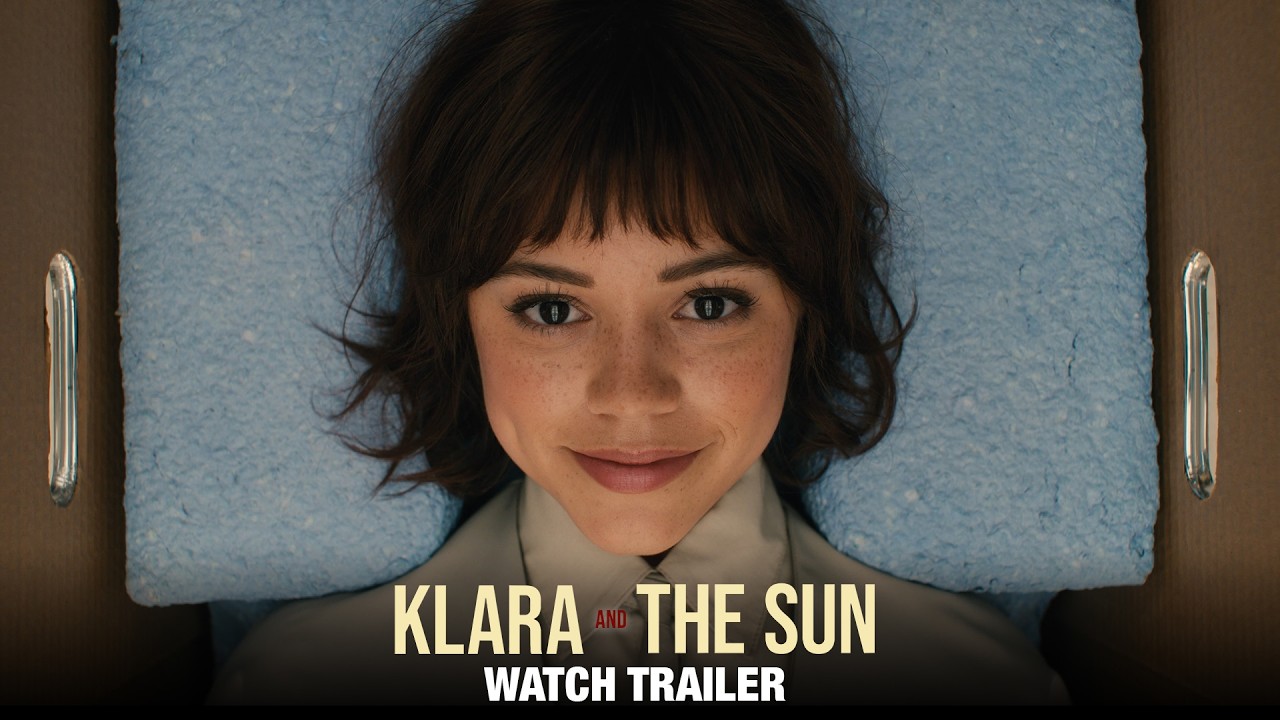
Klara and the Sun has an appealing center in Jenna Ortega’s carefully controlled physical performance, which often gives its artificial companion more warmth than the humans around her. Golden landscapes, retro-futuristic design and occasional moments of devotion also make an impression. The larger film is much harder to recommend. Across many assessments, broad jokes interrupt grief, intriguing ideas about artificial life and genetic enhancement go unexplored, and relationships lack the time needed to make the ending resonate. Some viewers find a genuinely moving, hopeful fable, so tolerance for Waititi’s whimsy matters. For those seeking a thoughtful adaptation or sustained emotional depth, the attractive surfaces and committed lead rarely compensate for the thin, uneven storytelling.
Ortega’s precise movements, expressive face and earnest warmth are frequent highlights. Some find the same wide-eyed quirks repetitive or too cartoonish to make Klara feel fully alive.
Retro colors, expansive fields and pixelated robot vision give the film a distinctive look. That heightened style can also feel sugary, cluttered or disconnected from its darker world.
Golden landscapes and rich color are beautiful to many viewers. Others find the yellow filters, glossy finish and relentless prettiness bland or oppressive.
Religious messaging: 3.7, 9 reviews, low consensus
Klara’s prayers and solar devotion can be beautiful expressions of faith and sacrifice. Others find the spiritual arc reduced to a joke or an unconvincing act of fanaticism.
The young leads and Rick often share natural, appealing rapport. Other assessments find the relationships too thinly developed to establish proper chemistry.
production design: 4.1, 8 reviews, moderate consensus
The decorated house, open fields and retro-futuristic details are recurring visual strengths. A few find the dainty design too artificial to establish a believable society.
Klara’s devotion can be touching, and several viewers find the film deeply moving. More often, forced sweetness and jokes prevent the grief from feeling earned.
Waititi’s broad comic instincts repeatedly interrupt material that calls for patience and emotional restraint. A smaller group welcomes his warmth and playful approach.
Artificial consciousness, genetic enhancement, love and mortality supply rich possibilities. Most criticism centers on how briefly these ideas are explored before the story moves on.
Tharia, Murphy, House and Lyonne provide welcome warmth or comic relief for many viewers. Adams draws especially divided reactions, ranging from moving restraint to stiff disengagement.
Whimsical comedy, family grief and darker science fiction repeatedly collide. The abrupt transitions are the film’s most consistent weakness, though a few viewers enjoy the blend.
Jenna Ortega fan viewing: 4.3, 2 reviews, limited evidence
Ortega’s fans may appreciate a warm, physically expressive contrast to her darker roles. Her performance is a reason to watch even for viewers disappointed by the film around her.
One enthusiastic assessment finds a fresh coming-of-age story in Klara’s discovery of the world and human relationships.
Not ideal for
Science-fiction fan viewing
2.0
2 reviewslimited evidence
Science-fiction fan viewing: 2.0, 2 reviews, limited evidence
Viewers seeking substantial speculative science fiction may find the AI ethics and dystopia too lightly explored. The story offers little guidance on the harder technological questions it raises.
Adult viewing
1.5
1 review
Adult viewing: 1.5, 1 review
Adults seeking thoughtful speculative drama may find the film’s approach too juvenile.
Ortega’s nuanced physical control and sunny sincerity often carry the film. Dissenters find her wide-eyed mannerisms forced, repetitive or too cartoonish.
Lyonne supplies memorable comic energy in limited scenes for several viewers. One strongly negative assessment finds her performance excessively mugging.
Compared with other Movies, this product is above average in CGI quality, Portrayal of women, special effects quality, near average in Religious messaging, runtime, below average in rewatch value, directing quality, faithfulness to source material.
Comparison summary
55 compared features
Above average0.4+ pts higher
3(5%)
Same as averagewithin 0.3 pts
10(18%)
Below average0.4+ pts lower
42(76%)
Largest category differences
Attribute
This product
Category average
Difference
rewatch value
1.0
3.6
-2.6
directing quality
1.9
3.9
-2.1
faithfulness to source material
1.6
3.7
-2.0
classic cinema references
2.0
4.2
-2.2
theme depth
1.9
3.6
-1.7
critic appeal
1.3
3.4
-2.1
CGI quality
5.0
2.8
+2.2
audience appeal
1.8
3.8
-2.1
Consider This Instead
If you want better ending satisfaction
Choose Wildwood. It scores 5.0 vs 1.9 for ending satisfaction, with a 4.5 overall score.
Better: villain characterizationWildwood’s villain is judged far better than the mother’s characterization.
A.I.
Similar: tone and structureThe film is compared to an overly twee expansion of A.I.’s final act.
Similar: robot fairy-tale premiseThe robot fairy tale is described as indebted to A.I.
FAQ
Is Jenna Ortega good as Klara?
Many consider her expressive face, precise robotic movement and sincere warmth the film’s strongest assets. Others find the performance too deliberately quirky.
Does it capture the novel’s tone?
Most adaptation criticism focuses on lost restraint and ambiguity. A minority sees a respectful translation, but readers are also advised to stay with the book.
Is it thoughtful science fiction?
It raises intriguing questions about artificial companionship and genetic enhancement, but many find the world and ethical implications underexplored.
Is it funny or sad?
It aims for both. Some find its devotion moving, while many say broad jokes repeatedly interrupt the grief.
Is it suitable for children?
Generally better suited to ages 13 and up, given terminal illness, child loss, disturbing treatment of humanlike robots and substance use.
Is it worth seeing in a theater?
The vivid landscapes earn strong praise from some viewers. Others recommend waiting for streaming because the thin story and uneven pacing limit the experience.
Sample Expert Reviews We Analyzed
These are a few of the reviews included in our analysis.
Choose this inventive, unsettling documentary for fearless questioning, dark humor, and unpredictable storytelling. Skip it if you want a short, straightforward exposé with definitive answers.
Best for a hypnotic, bookish mystery with tactile visuals and cerebral chills. Skip it if reading-heavy, attention-demanding storytelling sounds more exhausting than exciting.
Best for an intimate, searching documentary that rewards focused attention and invites discussion. Skip it when devastating grief, addiction footage, and unresolved family tensions would be too much.
Best for patient suspense, an unforgettable score, and an unsettling masked killer. Skip it for very young children or if you want to avoid intense scares; its restrained kills also...