Best for directing quality
Chronovisor
5.0 attribute score
Highest scored product for this attribute based on supporting review evidence.

Highest scored product for this attribute based on supporting review evidence.
Balances the attribute score, supporting reviews, and overall product strength.
Has the broadest review evidence for this attribute.
Strongest overall product among items with scored evidence for this attribute.

The directors turn libraries, documents, and a modest budget into an unusually gripping thriller. Their restraint and inventive handling of text draw repeated praise.
Pros: Atmosphere, cinematography
Cons: audience appeal

Fielder and Oppenheim make bold structural choices while maintaining attention on their subjects and the limits of documentary truth. Their unusual collaboration is widely celebrated as an ambitious leap for...
Pros: originality, humor
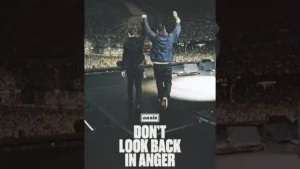
Will Lovelace and Dylan Southern are widely praised for translating the reunion tour into an immersive cinema experience while keeping the brothers’ reconciliation and fan stories emotionally legible.
Pros: emotional impact, audience appeal
Cons: story quality, pacing

Lena Khan is repeatedly praised for energetic, clear direction that lets performers and dance routines breathe while keeping the tone buoyant.
Pros: dance choreography, cultural representation
Cons: plot originality, romance quality
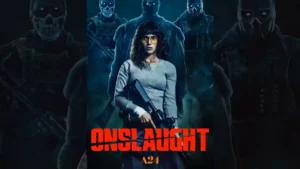
Adam Wingard’s direction earns strong marks for confident staging, kinetic energy, and a polished command of action-horror imagery.
Pros: lead performance, entertainment value
Cons: action sequences, ending satisfaction
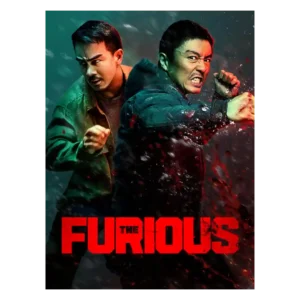
Kenji Tanigaki’s direction is a major strength, presenting complicated movement with confidence and clarity. He turns a basic premise into a showcase for world-class physical filmmaking.
Pros: action sequences, lead performance
Cons: dialogue quality, story quality
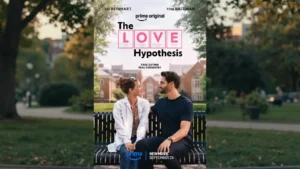
Scanlon’s feel for comic timing and tender moments earns praise, though a few critics find the direction too safe.
Pros: chemistry between characters, entertainment value
Cons: character development, romance quality

Steve Carr’s direction is a standout, using character-led staging and a relatively cringe-free comic rhythm to make the stronger bits feel organic rather than forced.
Pros: supporting cast performance, lead performance
Cons: humor, genre satisfaction

David Ayer handles the stripped down survival story with skill, though the ending and familiar plot leave a few viewers wanting more restraint.
Pros: cinematography, emotional impact
Cons: story quality, pacing

Andrew Stanton grounds the spectacle in Bonnie’s loneliness and Jessie’s fear of abandonment. His handling of those emotions gives the sequel more purpose than its premise alone might suggest.
Pros: story quality, message quality
Cons: originality, plot clarity
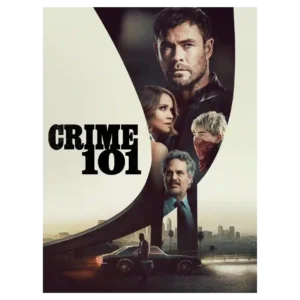
Bart Layton’s controlled direction is a major strength, particularly in the car chases, slow-burn tension, Los Angeles atmosphere, and clear staging. Even detractors generally concede the film is polished and...
Pros: action sequences, genre satisfaction
Cons: originality, runtime

McElwee’s open, self-questioning approach transforms a family archive into ambitious personal cinema. His observational choices and willingness to confront painful material earn exceptional praise.
Pros: emotional impact, theme depth
Zach Cregger’s direction is widely praised for control of suspense, visual gags, pacing, creature escalation, and horror-comedy timing. Reviewers often credit his specific voice with rejuvenating a film series they...
Pros: lead performance, entertainment value
Cons: ending satisfaction, character development

Bar-Lev is widely praised for balancing compassion, accountability, and competing motives without reducing the story to simple heroes and villains. A few structural choices draw criticism, but the overall approach...
Pros: theme depth, message quality
Cons: character development
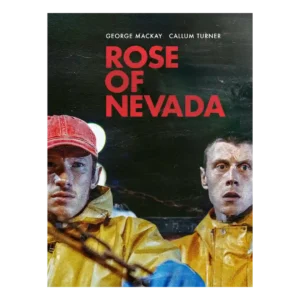
Mark Jenkin’s control of image, sound, rhythm, and regional detail gives the film a singular identity. The uncompromising vision is a major strength, though the expanded time-travel plot occasionally feels...
Pros: sound design, visual style
Cons: plot clarity, pacing

Dave Green's direction is one of the strongest creative points, with reviewers praising his grasp of Looney Tunes timing, affection for the material, and ability to make the hybrid world...
Pros: humor, entertainment value
Cons: pacing, visual style

Patient framing, controlled reveals, and a focused threat make the direction the film’s most consistent strength. A few contrived situations and clumsy physical moments stand out against that precision.
Pros: directing quality, score quality
Cons: message quality

Fincher makes computer work and legal arguments feel urgent through precise staging and careful visual control. The cool approach usually impresses, although some viewers find it emotionally distancing or dislike...
Pros: screenplay quality, directing quality
Cons: historical accuracy, Portrayal of women
The patient archival approach lets construction unfold without frequent modern interruptions. Careful assembly and well-integrated audio turn disparate material into a vivid, often tense journey.
Pros: entertainment value, archival footage quality
Cons: theme depth, runtime

Avalon Fast’s direction is bold, personal, and visually assured, with a clear willingness to reject conventional structure. The rawness can become disjointed, but the creative control and singular voice are...
Pros: visual style, cinematography
Cons: pacing, ending satisfaction

Genki Kawamura is repeatedly praised for controlling tension, perspective, and repetition with unusual precision. The direction makes a minimal premise feel cinematic rather than merely copied from a game.
Pros: story quality, theme depth
Cons: pacing

Bassam Tariq earns strong praise for balancing intimate family drama, religious reflection, humor, and violent action without losing a distinct point of view. Even critics of the film’s messier passages...
Pros: lead performance, action sequences
Cons: plot clarity, pacing
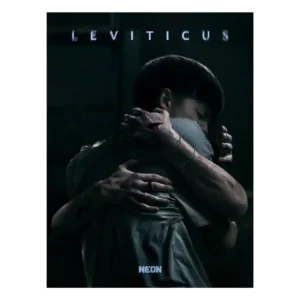
Adrian Chiarella’s debut is widely regarded as assured, sensitive, and controlled. He handles intimacy and dread especially well, even when the screenplay’s rules or side characters are less polished.
Pros: acting performance, chemistry between characters
Cons: originality, pacing

Carla Simón handles painful autobiographical material with patience, restraint, and visual confidence. The late fantasy turn is bold, though not everyone found it fully integrated.
Pros: lead performance, emotional impact
Cons: pacing, plot clarity
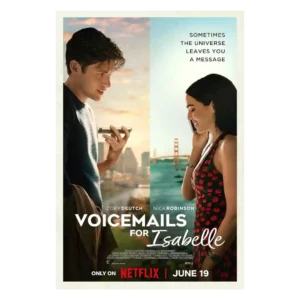
The direction handles grief, comedy, and romance with confidence and sells individual emotional moments. Polished cuteness occasionally blunts the darker implications of Wes’s behavior.
Pros: story quality, emotional impact
Cons: plot originality, pacing
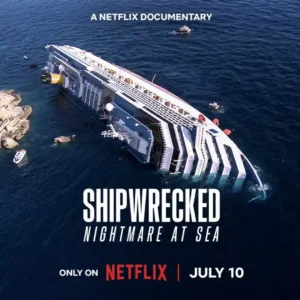
The direction turns survivor testimony, surveillance material, and recorded audio into a coherent, immersive reconstruction. It balances factual detail with strong emotional weight.
Pros: realism, critic appeal
Cons: theme depth, message quality
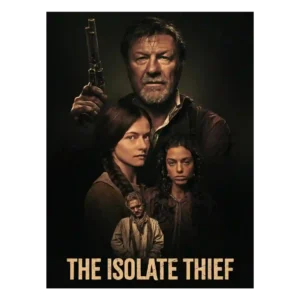
John Suits uses confinement, withheld violence, and the frozen location to build sustained unease. The direction is repeatedly praised for making modest resources feel purposeful.
Pros: suspense, originality
Cons: pacing, violence level
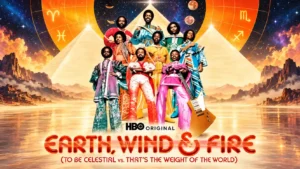
Questlove’s musical knowledge and enthusiasm bring the band’s history to life with inventive archive choices and inviting interviews. The main criticism is that his competing approaches can leave the film...
Pros: directing quality, soundtrack quality
Cons: originality
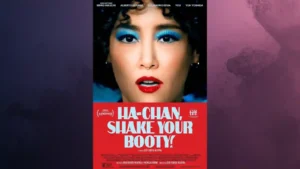
Wladyka earns substantial praise for bold visual ideas, emotional warmth, and confident dance staging, even as some critics fault his handling of the film’s competing tones.
Pros: lead performance, entertainment value
Cons: story quality, character development
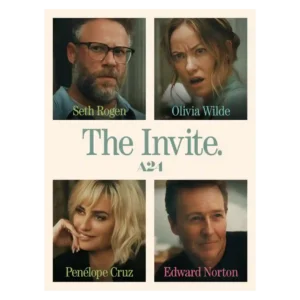
Olivia Wilde’s control of performance, space, and comic escalation is frequently called her strongest directing work. A few early choices feel fussy or overemphatic, but the overall staging is confident...
Pros: humor, screenplay quality
Cons: score quality, runtime
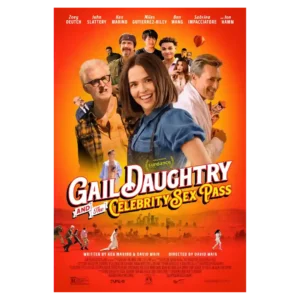
David Wain’s commitment to absurdity, fast comic rhythm, and playful celebrity cameos is widely admired, though some felt the film shows less control than his best work.
Pros: humor, entertainment value
Cons: audience appeal, pacing

O’Connor earns praise for making a personal, respectful tribute that feels alive rather than instructional. One assessment finds the structure conventional and tiring, despite the strong archival curation.
Pros: directing quality, archival footage quality
Cons: Biographical coverage
Goldstein and Daley are widely praised for energetic, confident staging and smart tonal control, though one dissenting review sees the storytelling as undercooked.
Pros: entertainment value, action sequences
Cons: rewatch value, runtime
Jane Schoenbrun’s direction is widely admired for its distinctive visual imagination, tonal nerve and personal point of view. The main reservation is that the same freedom can become self-indulgent or...
Pros: genre satisfaction, theme depth
Cons: plot clarity, ending satisfaction
Careful attention to Oliver’s voice and poems gives the film a gentle, purposeful shape. The familiar documentary format earns praise for thoughtful choices and affectionate craftsmanship.
Pros: directing quality, interview quality

Lan Hongchun combines gentle observation with vivid emotional payoffs, drawing strong performances from an inexperienced cast. His restraint is admired even if some sentimental beats are heavy-handed.
Pros: emotional impact, cultural representation
Cons: score quality, character development

Hooper’s inventive angles, abrupt shocks, and escalating dread earn strong admiration, often even from viewers who dislike the film. A minority find the execution sloppy or excessively chaotic.
Pros: genre satisfaction, scares
Cons: character development, entertainment value
Kane Parsons is widely praised for remarkably assured control of mood, spatial tension, and visual horror in his feature debut. Criticism centers on later over-explanation and a few overreaching narrative...
Pros: acting performance, scares
Cons: ending satisfaction, plot clarity

Roher’s first narrative feature is admired for its assured blend of intimate drama and sensory suspense. Some find his later plotting or tonal shifts less controlled.
Pros: entertainment value, acting performance
Cons: plot originality, ending satisfaction
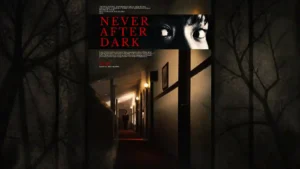
Boyle’s controlled framing and gradual escalation are central strengths. The strongest reactions admire his ability to refresh familiar horror patterns, though some find his narrative shortcuts or late developments less...
Pros: directing quality, scares
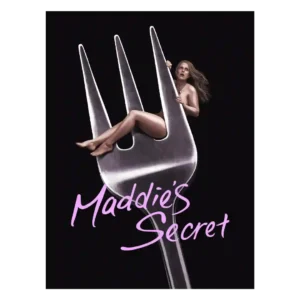
John Early’s debut shows a distinct, confident visual voice and an ambitious command of camp, sincerity, and emotional escalation. Some critics still found the later storytelling uneven.
Pros: lead performance, tonal consistency
Cons: audience appeal, entertainment value
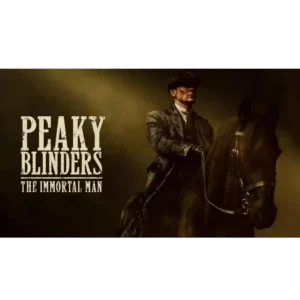
Tom Harper is frequently praised for confident staging, visual control, suspense, and explosive set pieces. A few reviews fault specific tonal or narrative choices even while admiring the filmmaking.
Pros: ending satisfaction, faithfulness to source material
Cons: story quality, pacing
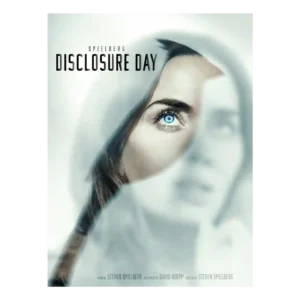
Spielberg’s command of staging, camera placement, suspense, and visual storytelling remains the film’s most broadly admired strength.
Pros: action sequences, lead performance
Cons: screenplay quality, ending satisfaction
The directors turn private family material into formally daring, emotionally intimate cinema. Their ambition and sensitivity are widely admired, though the layered construction sometimes overwhelms the story’s clarity.
Pros: animation quality, story quality
Cons: plot clarity, pacing
Frith handles the self-aware documentary with confidence, balancing production chaos, humor, and personal stakes. A few structural gaps keep the final stretch from feeling fully polished.
Pros: entertainment value, realism
Cons: plot clarity
Émilie Noblet balances fast industry jokes with warmer, more glamorous images, keeping the revived comic style largely under control.
Pros: celebrity cameos, humor
Cons: pacing, ensemble balance

Cregger’s control of viewpoint, staging, and abrupt tonal turns impresses many, even when the plotting divides them.
Pros: acting performance, scares
Cons: pacing, emotional impact

Na Hong-jin’s direction draws strong praise for assured genre filmmaking and exceptionally staged chases, even from reviewers who dislike parts of the finished movie.
Pros: action sequences, humor
Cons: CGI quality, ending satisfaction
Joe Carnahan is widely praised for controlling suspicion, pressure, and contained action with confident genre instincts. A minority find the filmmaking inert, overly blunt, or chaotic once the final act...
Pros: suspense, entertainment value
Cons: action sequences, ending satisfaction
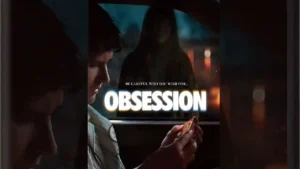
Barker’s direction is widely praised for confidence, timing, restraint, and command of dread. A sharply dissenting review finds the visual direction banal and aesthetically thin.
Pros: acting performance, scares
Cons: screenplay quality, world-building