If you want better originality
Choose Making Marie Antoinette. It scores 4.5 vs 3.0 for originality, with a 4.5 overall score.

Frequent explicit genital nudity, pornography imagery, and graphic injections and reconstructive procedures include blood and visibly damaged tissue. Frank sexual discussion, coarse language, and distress around bodily shame make this best suited to adults.
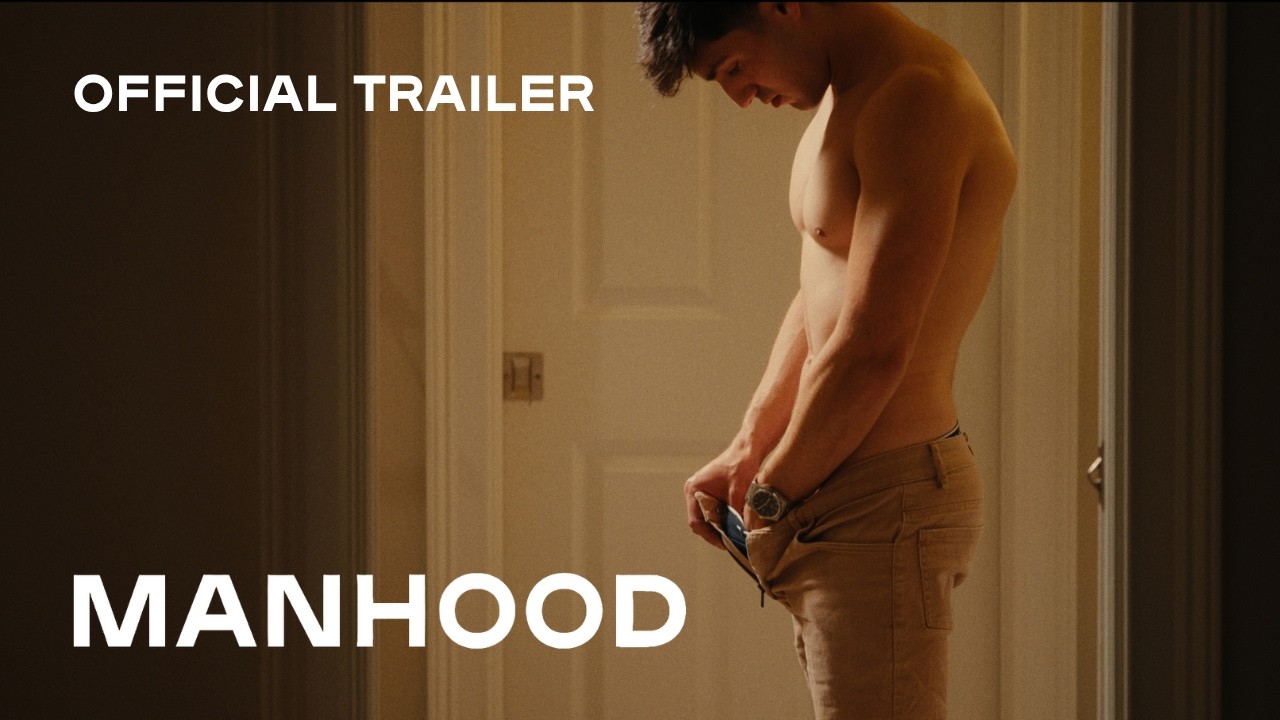
An unexpectedly moving look at male insecurity, Manhood finds humanity beneath its provocative premise. Graphic procedures and uneven scrutiny of the business and relationships make it a more qualified recommendation.
Viewers seeking a candid discussion of masculinity, body image, and self-acceptance will find substantial material for reflection. Women looking for insight into male insecurity may also find its perspective illuminating.
Squeamish viewers and anyone planning an airplane screening, a conservative family gathering, or a meal alongside the film should avoid it. Its explicit medical imagery also makes it a risky first-date choice.
Manhood works best as an intimate portrait of men seeking acceptance through physical change. Its strongest passages connect childhood shame, cultural pressure, and bodily dissatisfaction without turning vulnerable people into punch lines. David’s reconstruction gives the film a particularly moving center, while visual jokes and lively storytelling keep a difficult subject engaging. The recommendation comes with two substantial caveats: explicit medical imagery can be deeply uncomfortable, and the observational approach sometimes leaves important questions unanswered. Several critics want more scrutiny of the business, qualifications, and relationship between Moore and David; one finds the whole film frustratingly unfocused. For viewers interested in a candid conversation about masculinity and self-worth, its compassion is the main attraction, with investigative completeness the principal limitation.
Compared with other Movies, this product is above average in tonal consistency, pacing, story quality, near average in directing quality, Behind-the-scenes access, below average in film framing, writing quality, Consent and relationship ethics.
| Attribute | This product | Category average | Difference |
|---|---|---|---|
| tonal consistency | 4.7 | 3.2 | +1.5 |
| film framing | 2.3 | 3.7 | -1.4 |
| pacing | 4.3 | 3.0 | +1.3 |
| story quality | 4.5 | 3.3 | +1.2 |
| ending satisfaction | 4.5 | 3.3 | +1.2 |
| character development | 4.3 | 3.1 | +1.1 |
| sexual content level | 3.8 | 2.8 | +1.0 |
| message quality | 4.5 | 3.6 | +0.9 |
Choose Making Marie Antoinette. It scores 4.5 vs 3.0 for originality, with a 4.5 overall score.
Choose Honeyjoon. It scores 5.0 vs 3.8 for sexual content level, with a 4.2 overall score.
Choose Maddie’s Secret. It scores 4.8 vs 4.1 for theme depth, with a 4.1 overall score.
Choose One in a Million. It scores 4.5 vs 2.3 for film framing, with a 4.4 overall score.
Products reviewers directly compared with this model, grouped into quick takeaways.
The documentary follows an enhancement entrepreneur and two patients, using their experiences to explore male insecurity, bodily shame, and the search for acceptance.
Visual innuendo and awkward observations provide humor, but the central approach is compassionate and often emotionally serious.
It shows explicit genital nudity, injections, botched procedures, and reconstructive treatment, including blood and damaged tissue. Several critics warn that it is unsuitable for squeamish viewers.
The personal portraits are revealing, but several critics want a wider view and harder questions about costs, qualifications, ethics, and accountability.
The men’s histories reveal shame and a desire for acceptance beneath their cosmetic goals. David’s response to successful reconstructive surgery is repeatedly singled out as especially affecting.
Yes, for viewers comfortable with the graphic content. It raises substantial questions about masculinity, self-worth, cultural pressure, and whether physical change can resolve emotional distress.
These are a few of the reviews included in our analysis.
In a revealing documentary, a looksmaxxing-influenced world where ‘your social capital is tied to your appearance’ has led to more men...
Penis enlargement is the subject of this humanely-observed but unfocused documentary.
At the center of every good documentary is a compelling subject, and subjects don’t get much more riveting than penis enlargement procedures...
It’s not about the bulge, but about the bravery to look beyond it.
Daniel Lombroso's 'Manhood' documentary follows a penis enlargement entrepreneur and his clients in a bizarre but sensitive tale.

Choose this inventive, unsettling documentary for fearless questioning, dark humor, and unpredictable storytelling. Skip it if you want a short, straightforward exposé with definitive answers.
Pros: originality, humor

Extraordinary performances and richly observed relationships make this a rewarding, emotionally forceful drama. Its nearly three-hour length and slow opening demand patience and undivided attention.
Pros: class commentary, character development

Best for a hypnotic, bookish mystery with tactile visuals and cerebral chills. Skip it if reading-heavy, attention-demanding storytelling sounds more exhausting than exciting.
Pros: Atmosphere, cinematography
Cons: audience appeal

Best for an intimate, searching documentary that rewards focused attention and invites discussion. Skip it when devastating grief, addiction footage, and unresolved family tensions would be too much.
Pros: emotional impact, theme depth