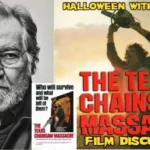
Sustained terror, cannibalism, corpse imagery, meat-hook assaults, and hammer and chainsaw killings create an intense ordeal. Much of the injury is implied, but prolonged torment and a visibly traumatized survivor make it best suited to older teens.
Official ratingR
Bottom Line
Choose it for raw, inventive horror that builds into relentless dread. Skip it if thin characters, constant screaming, or a grim ordeal without reassuring closure undermine your enjoyment.
Best for
Horror enthusiasts who value atmospheric dread, experimental craft, and influential slasher filmmaking. Collectors interested in the production may also appreciate the reviewed editions’ extensive extras.
Not for
Viewers seeking sympathetic, richly developed protagonists or a reassuring conclusion. The shrill soundscape, macabre imagery, and prolonged helplessness can be exhausting.
Verdict
The Texas Chain Saw Massacre earns its reputation through craft rather than a parade of graphic injuries. Grainy photography, unsettling sound, macabre interiors, and abrupt violence make its simple road trip feel like an increasingly inescapable nightmare. Marilyn Burns’s desperation and Gunnar Hansen’s physical presence receive especially strong praise, while the final chainsaw image remains a standout. The tradeoff is substantial: many find the victims underwritten, Franklin irritating, and the screaming exhausting. Some admire the filmmaking without enjoying the ordeal at all. Repeat viewing often increases appreciation, but it is hardly a comfortable watch. Disc assessments also vary by edition: praised restorations preserve texture and add detail, while some viewers prefer the dirtier look of older copies.
The original is overwhelmingly regarded as a horror landmark whose dread still works. Dissenters find it overrated, unpleasant, or less satisfying than other classics.
Abrupt appearances, implied injury, and sustained helplessness earn extensive praise for lasting terror. A smaller group finds the scares dated or describes the experience as disturbing rather than frightening.
Low tracking angles, looming houses, and extreme eye close-ups turn ordinary spaces into a nightmare. The raw photography wins widespread praise, although a few find the restless camera nauseating or poorly controlled.
The rural setting, grainy texture, natural reactions, and plausible progression into danger make the nightmare feel disturbingly close. Several viewers emphasize how ordinary the victims seem.
Hooper’s inventive angles, abrupt shocks, and escalating dread earn strong admiration, often even from viewers who dislike the film. A minority find the execution sloppy or excessively chaotic.
Cultural impact: 4.9, 20 reviews, strong consensus
The film is widely praised for shaping the masked-killer slasher, the final girl, and generations of independent horror. Leatherface’s imagery remains especially recognizable.
character development: 3.0, 29 reviews, low consensus
The victims are often criticized as thinly drawn, while Franklin’s whining divides viewers. Leatherface’s frightened, childlike behavior and the family’s contrasting personalities receive more enthusiastic attention.
entertainment value: 3.3, 16 reviews, low consensus
Many find the film exhilarating or deeply rewarding, while others respect its craft but dislike the experience. Its sustained misery makes enjoyment unusually dependent on tolerance for harsh horror.
Horror enthusiasts get an intense, influential experience that many consider essential viewing. Broad appeal is less certain: its punishing atmosphere and frenetic camera can alienate even experienced horror viewers.
Hooper’s creative angles, suggestive violence, and sustained dread draw strong admiration, even from viewers who dislike the film. Some find parts of the direction uncontrolled; his engaging disc commentary also earns praise.
Burns makes Sally’s terror and desperation feel unusually immediate, with screams and final hysteria that carry the ordeal. Her natural, committed performance repeatedly stands out.
Hansen creates an intimidating Leatherface through physical movement and nonverbal expression. Several viewers also value the fear and vulnerability beneath the mask.
Pearl’s eerie camera movement, imposing angles, and raw texture immerse the viewer in panic. His cinematography is repeatedly praised for matching the film’s tone.
Neal’s hitchhiker is praised as sinister, unpredictable, and memorably convincing. His high-energy antics can also become tiring, while his interview appearance supplies offbeat humor.
Siedow’s shift from reassuring local to sadistic captor is especially admired. His unpredictable performance gives the family horror a chilling human face.
Compared with other Movies, this product is above average in title accessibility, Portrayal of women, runtime, near average in Cultural impact, acting performance, below average in archival footage quality, cultural representation, makeup quality.
Comparison summary
54 compared features
Above average0.4+ pts higher
38(70%)
Same as averagewithin 0.3 pts
9(17%)
Below average0.4+ pts lower
7(13%)
Largest category differences
Attribute
This product
Category average
Difference
archival footage quality
2.0
4.6
-2.6
title accessibility
5.0
2.6
+2.4
cultural representation
1.5
3.5
-2.0
Portrayal of women
5.0
3.0
+2.0
runtime
4.7
2.8
+1.9
originality
5.0
3.3
+1.7
realism
4.8
3.4
+1.4
monster visibility
5.0
3.2
+1.8
Consider This Instead
If you want better story quality
Choose The Social Network. It scores 4.8 vs 3.7 for story quality, with a 4.5 overall score.
Compared: gore restraintThe original is praised for restraint compared with Evil Dead’s overt gore.
psycho
Compared: intensityThe original is described as much more intense than psycho.
Similar: horror ideasThe film is compared with psycho for creepy inhabitants and preserved corpses.
Compared: macabre set decorationThe original expands from a single preserved corpse to a house filled with remains.
FAQ
Is it as gory as its title suggests?
Most accounts emphasize surprisingly little visible blood or gore. The violence is still disturbing, with much of its impact supplied by sound, reactions, and imagination.
Does it still feel scary?
Most find its dread and abrupt violence effective decades later. Some modern viewers find it more disturbing than frightening or consider its scares predictable.
Are the characters well developed?
This is a common weakness: several viewers find the victims thinly drawn. Burns’s Sally and Hansen’s Leatherface often stand out through their performances.
Is the film based on a true story?
The supplied accounts describe a fictional plot with selected details inspired by real crimes. Several object to its claim of being a true story.
Do the 4K editions improve the picture?
Some reviewed editions earn exceptional praise for detail and preserved grain. Another finds modest gains from the rough 16mm source; these assessments concern different releases.
Are the bonus features worthwhile?
The reviewed collector sets offer substantial documentaries, commentaries, and interviews. Repeated stories and rough older footage are the main caveats.
Is the ending reassuring?
The final image is widely admired, but the surviving character appears deeply traumatized. The abrupt finish offers little comforting closure.
Sample Expert Reviews We Analyzed
These are a few of the reviews included in our analysis.
Choose this inventive, unsettling documentary for fearless questioning, dark humor, and unpredictable storytelling. Skip it if you want a short, straightforward exposé with definitive answers.
Best for a hypnotic, bookish mystery with tactile visuals and cerebral chills. Skip it if reading-heavy, attention-demanding storytelling sounds more exhausting than exciting.
Best for an intimate, searching documentary that rewards focused attention and invites discussion. Skip it when devastating grief, addiction footage, and unresolved family tensions would be too much.
Best for patient suspense, an unforgettable score, and an unsettling masked killer. Skip it for very young children or if you want to avoid intense scares; its restrained kills also...