Deadly space peril, gunfights, a bloody animal attack and a parent’s apparent suicide make this most suitable for teens. Brief strong language adds another concern.
Official ratingPG-13
Bottom Line
Choose Ad Astra for striking space imagery, an atmospheric score and Brad Pitt’s restrained performance. Skip it if you need brisk action, rigorous science or a reliably satisfying father-son payoff.
Best for
Patient science-fiction viewers who enjoy immersive imagery, atmospheric music and psychologically focused stories about family and connection.
Not for
Viewers seeking continuous action, tightly rigorous space science or a fast, clearly resolved adventure. The quiet lead and explicit voiceover may also frustrate those who prefer less verbal explanation.
Verdict
Ad Astra makes its strongest case through images, sound and performance. Brad Pitt’s contained astronaut gives many viewers a compelling way into an intimate story about abandonment, masculine restraint and human connection. The opening fall and lunar chase supply memorable spectacle, while the music and planetary settings sustain an unusually contemplative mood. Those strengths do not resolve the main divide: some find the inward journey deeply moving, while others see familiar father-son ideas stretched across sluggish passages and spelled out by excessive narration. Scientific liberties and an ending described as either earned closure or anticlimax add to that uncertainty. Its appeal depends on patience with quiet, psychologically focused science fiction and willingness to value atmosphere alongside narrative payoff.
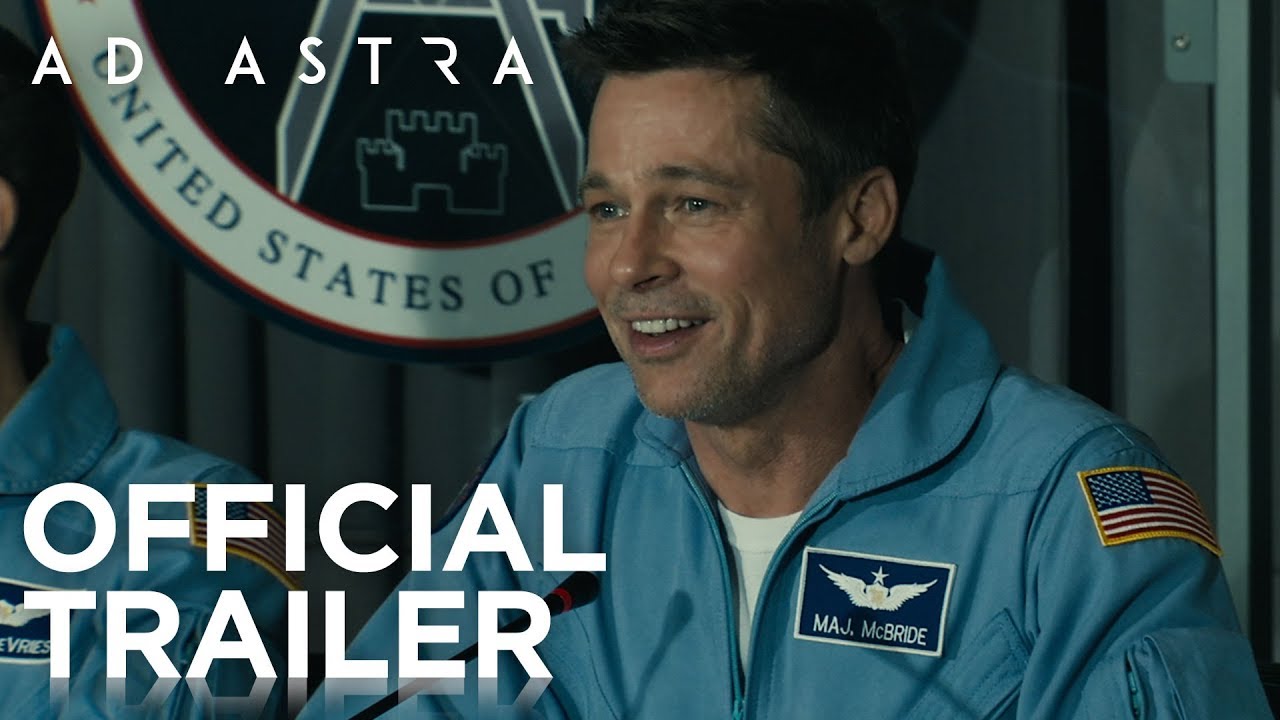
The photography is the most dependable attraction: intimate facial close-ups sit against immense planetary landscapes. Color, shadow and carefully composed images make even skeptical critics admire the presentation.
Quiet lunar action and carefully placed sound cues strengthen the sense of isolation and danger. The sonic presentation is a major reason to seek an immersive screening.
Planetary landscapes, dramatic lighting and close studies of Pitt's face give the film a striking visual identity. Its beauty is a reliable strength even when the drama divides opinion.
The score is repeatedly praised for eerie electronic textures and emotionally expansive orchestration. Its restraint and later warmth often do more to carry feeling than the dialogue.
The music supplies atmosphere, emotional lift and a sense of cosmic scale. Its subdued passages and richer orchestration are among the film's most consistently admired elements.
special effects quality: 4.6, 9 reviews, strong consensus
Seamless visual effects and expansive space imagery give the journey substantial spectacle. The technical polish remains a strength even for viewers disappointed by the human story.
The estranged wife is usually a distant image rather than a developed partner. Her thin, largely silent role weakens the marital dimension for several critics.
For some, the full journey stays engaging; for many others, a simple story is stretched beyond what it can sustain. The drawn-out later passages are the clearest source of length complaints.
The basic mission is easy to follow, but late logistics and character decisions can become hazy or illogical. Some viewers find the future setting insufficiently explained despite the extensive narration.
Some lines provide sharp humor or a moving humanist thought. More often, complaints focus on therapy-like declarations and dialogue that spells out ideas already visible on screen.
A familiar search for a missing father structures the adventure. Some appreciate its departure from conventional payoff, while others find the quest derivative and predictable.
The narration divides viewers between those who need it to connect with the reserved lead and those who find it redundant. Its therapy-like wording and tendency to verbalize subtext attract repeated criticism.
Hoyte van Hoytema: 4.7, 22 reviews, strong consensus
Van Hoytema's imagery draws exceptional praise for color, shadow and the balance between human faces and immense space. The photography remains memorable even to critics unconvinced by the story.
Pitt's expressive restraint and gradual emotional opening are widely praised, often as career-best work. A smaller group finds his stillness wooden or insufficiently engaging.
Richter's music is admired for its eerie intimacy, restraint and emotional sweep. The score helps turn the voyage from mechanical isolation toward warmer human feeling.
Gray earns strong praise for immersive imagery, controlled action and an intimate sense of scale. His solemn pacing and tendency to explain the father-son themes divide opinion.
Thompson's retrofuturistic, lived-in designs make the future colonies and spacecraft visually compelling. The coordinated colors and tactile interiors are recurring strengths.
Negga's brief Mars scenes are praised for intensity, determination and emotional charge. Her performance can leave a strong impression despite the small part.
Compared with other Movies, this product is above average in product placement, CGI quality, visual style, near average in directing quality, world-building, below average in ethical handling of deaths, cultural representation, romance quality.
Products reviewers directly compared with this model, grouped into quick takeaways.
2001 a Space Odyssey
Similar: visual atmosphereThe photography evokes 2001 a Space Odyssey for the reviewer.
Similar: visual traditionsThe film evokes classic contemplative space imagery while retaining its own identity.
Compared: ambition and originalityThe speakers find its effort to emulate the classic unconvincing.
First Man
Better: understated reflectionThe reviewer prefers First Man's quieter reflection.
Better: visual versus verbal characterizationFirst Man is praised for visual restraint where Ad Astra overexplains its character's feelings.
Compared: stoic protagonist accessibilityThe reviewer finds Pitt avoids the distancing effect associated with First Man's stoic lead.
gravity
Compared: opening tensionThe opening fall is praised as a match for gravity's suspense.
Better: preferred space-film experienceOne speaker prefers gravity as a space-film experience.
Better: overall ambition and executionGravity is presented as an elevated standard Ad Astra does not reach.
FAQ
Is Ad Astra an action movie?
It has striking action sequences, particularly the opening fall and lunar chase, but much of the film is a quiet psychological journey.
Is the pacing slow?
Many find it slow, especially later on. Others appreciate the patient tempo or remain absorbed throughout.
What are its strongest qualities?
The photography, space imagery, atmospheric music and Brad Pitt’s restrained acting draw the most consistent praise.
Is the science realistic?
The lived-in colonies and commercial details often feel convincing. Several space maneuvers and plot decisions require substantial suspension of disbelief.
Does the ending satisfy?
Opinions split sharply: some find moving closure and earned self-forgiveness, while others call the paternal reunion anticlimactic or overly familiar.
Is it suitable for children?
It is rated PG-13 and is best suited to teens because of deadly peril, bloody violence, an apparent suicide and brief strong language.
Should it be seen on a large screen?
Several critics strongly recommend a large screen and immersive sound to appreciate the film’s scale, photography and restrained sound design.
Sample Expert Reviews We Analyzed
These are a few of the reviews included in our analysis.
Best for pristine archival footage, immersive sound, and a surprisingly tense look at Disneyland’s construction. Skip it if you want a comprehensive, deeply critical history; several reviewers found the 78–79-minute...
Best for an intimate, inventive archival portrait with strong emotional and cultural impact. Skip it if substantial nudity or an occasionally wandering biographical structure will frustrate you.
Pros: chemistry between characters, emotional impact
Best for an audacious, text-driven conspiracy thriller with gorgeous 16mm atmosphere and mounting dread. Skip it if long stretches of reading, deliberate repetition, and an intentionally austere narrative sound more...
Best for slow-burn suspense, iconic synth music, and shadow-soaked filmmaking that still feels influential. Skip it if you need fast pacing, polished sound, consistently natural dialogue, or modern gore-heavy kills.
Pros: chemistry between characters, directing quality