If you want better CGI quality
Choose Backrooms. It scores 5.0 vs 1.9 for CGI quality, with a 4.2 overall score.

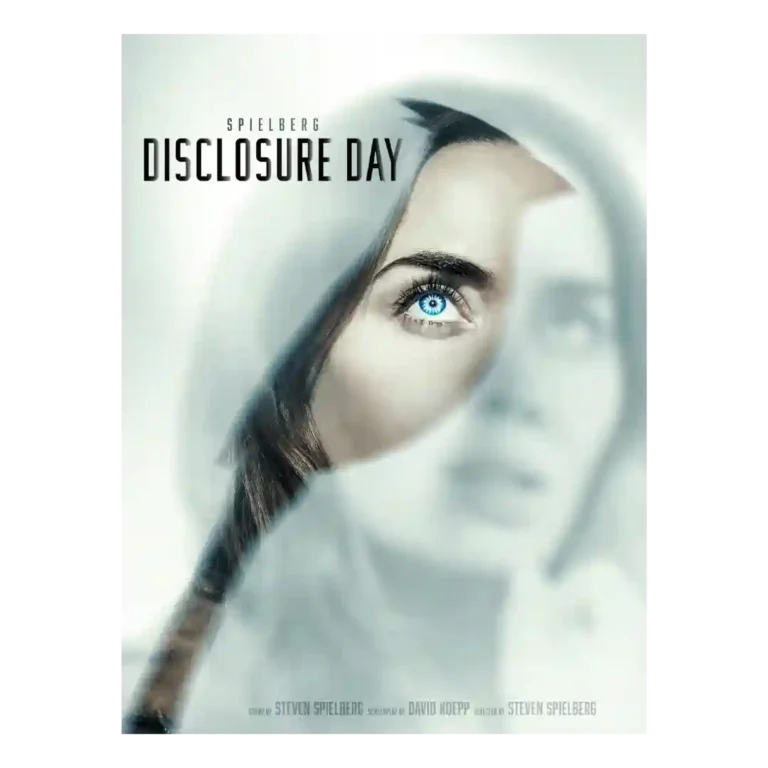
Choose it for Emily Blunt, superb chase staging, and sincere sci-fi wonder. Skip it if shaky creature CGI, an overstuffed script, and a highly divisive final act outweigh Spielberg’s craft.
Best for classic Spielberg fans who value emotional sincerity, original big-screen science fiction, and expertly staged chase sequences.
Viewers seeking rigorous alien lore, restrained sentiment, seamless CGI, or a tightly resolved plot may find the film frustrating.
Disclosure Day succeeds most clearly as a showcase for Steven Spielberg’s action craft and Emily Blunt’s remarkably agile lead performance. The car and train sequences are repeatedly described as thrilling, lucid, and tactile, while John Williams’ score and the mobile cinematography restore a welcome sense of old-school blockbuster scale. The tradeoff is a screenplay many reviewers find overstuffed, expository, and logically convenient, with underdeveloped characters and inconsistent creature CGI. Its hopeful message about empathy and truth moves a large share of critics, but the earnestness and final act divide viewers sharply. The result is an ambitious, entertaining sci-fi chase whose craftsmanship often outruns its story.
Compared with other Movies, this product is above average in action sequence quality, special effects quality, humor, near average in lead performance, ending satisfaction, below average in critic appeal, tonal consistency, writing quality.
| Attribute | This product | Category average | Difference |
|---|---|---|---|
| critic appeal | 1.8 | 3.4 | -1.6 |
| tonal consistency | 1.7 | 3.2 | -1.5 |
| writing quality | 1.9 | 2.9 | -1.0 |
| realism | 2.0 | 3.5 | -1.5 |
| character development | 1.8 | 3.1 | -1.3 |
| plot clarity | 1.6 | 2.8 | -1.2 |
| action sequence quality | 4.5 | 3.8 | +0.7 |
| runtime | 1.8 | 2.8 | -1.1 |
Choose Backrooms. It scores 5.0 vs 1.9 for CGI quality, with a 4.2 overall score.
Choose Runner. It scores 5.0 vs 3.0 for ending satisfaction, with a 3.6 overall score.
Choose The Furious. It scores 5.0 vs 1.8 for critic appeal, with a 4.0 overall score.
Choose Honeyjoon. It scores 5.0 vs 2.0 for realism, with a 4.2 overall score.
Products reviewers directly compared with this model, grouped into quick takeaways.
It is primarily a conspiracy chase thriller about revealing alien contact. The extraterrestrials remain secondary to the human conflict, empathy theme, and pursuit sequences.
Emily Blunt’s lead performance and Spielberg’s action direction receive the strongest agreement, especially the car and freight-train sequences.
The screenplay is frequently described as overstuffed, expository, and logically shaky, with some character arcs and thematic questions left underdeveloped.
Opinion is sharply divided. Some reviewers find it powerful and emotionally riveting, while others call it abrupt, confusing, sentimental, or underwhelming.
These are a few of the reviews included in our analysis.



Emily Blunt amazes in a new Steven Spielberg alien close encounter that probes his classic earlier work without deepening it.
Emily Blunt shines in an exquisitely entertaining ride, which tangles with politics, big business and religious faith
“Disclosure Day,” a tale of aliens on Earth and the coverup of their presence, starring Emily Blunt and Josh O’Connor, is a catalogue of...
Steven Spielberg loves his aliens. Although he did make themthe villains in War of the Worlds, his view toward extraterrestrial lifehas...
Choose this inventive, unsettling documentary for fearless questioning, dark humor, and unpredictable storytelling. Skip it if you want a short, straightforward exposé with definitive answers.
Pros: originality, humor
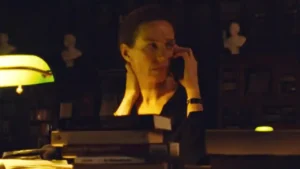
Best for a hypnotic, bookish mystery with tactile visuals and cerebral chills. Skip it if reading-heavy, attention-demanding storytelling sounds more exhausting than exciting.
Pros: Atmosphere, cinematography
Cons: audience appeal

Best for an intimate, searching documentary that rewards focused attention and invites discussion. Skip it when devastating grief, addiction footage, and unresolved family tensions would be too much.
Pros: emotional impact, theme depth

Best for patient suspense, an unforgettable score, and an unsettling masked killer. Skip it for very young children or if you want to avoid intense scares; its restrained kills also...
Pros: directing quality, score quality
Cons: message quality