Best for sensor performance
Logitech G502 X Lightspeed
5.0 attribute score
Highest scored product for this attribute based on supporting review evidence.

Highest scored product for this attribute based on supporting review evidence.
Balances the attribute score, supporting reviews, and overall product strength.
Has the broadest review evidence for this attribute.
Strongest overall product among items with scored evidence for this attribute.
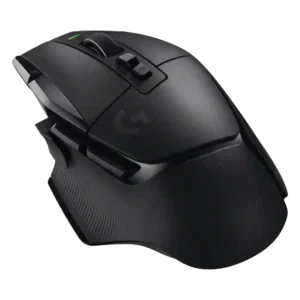
Sensor performance was a consistent strength, with reviewers citing strong Logitech sensors, no jitter or acceleration, 1:1 tracking, and efficient Hero 25K behavior.
Pros: shape comfort, programmable buttons
Cons: value for money, side button quality
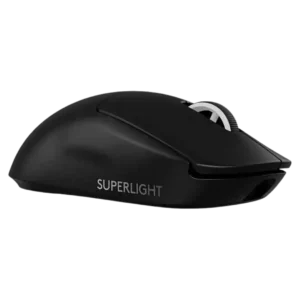
The HERO 2 sensor was widely praised as crisp, precise, fast, and close to flawless, though some reviewers framed the higher specs as incremental.
Pros: switch feel, polling rate
Cons: value for money, side button quality
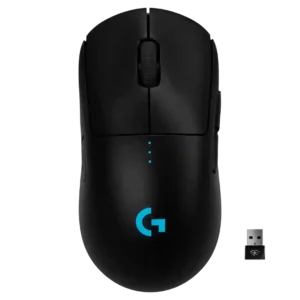
Sensor performance was one of the clearest strengths, repeatedly described as flawless, high tier, accurate, and responsive.
Pros: value for money, battery life
Cons: cable flexibility, RGB features
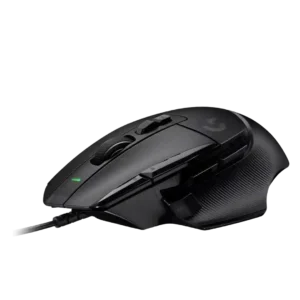
The Hero 25K sensor was repeatedly judged high-end, top-level, or even perfect, though one reviewer noted comparable sensors are now common.
Pros: button customization, switch feel
Cons: RGB features, weight tuning
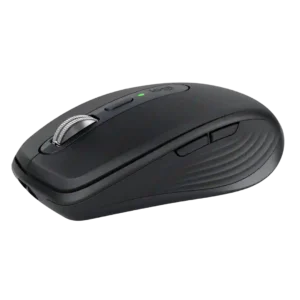
The Darkfield sensor is one of the mouse's standout strengths, combining fast response with reliable tracking across difficult surfaces. Its 8,000 DPI ceiling is especially useful on high-resolution displays.
Pros: portability, click noise
Cons: hand size compatibility, dongle-free setup
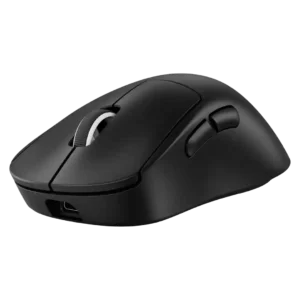
The Hero 2 sensor was repeatedly described as top-tier, flawless, or working perfectly, with only isolated uncertainty around real-world need for the highest specs.
Pros: weight, shape comfort
Cons: side button quality, value for money
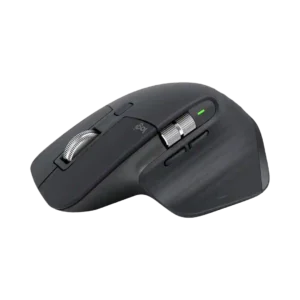
The Darkfield sensor is repeatedly praised for smooth, accurate performance and unusually broad surface support.
Pros: click noise, ergonomic design
Cons: gaming suitability, handedness options
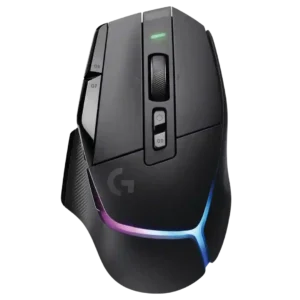
Sensor feedback was strongly positive; reviewers described the HERO sensor as snappy, smooth, precise, and still among the best they had used.
Pros: RGB features, weight
Cons: value for money, scroll wheel quality
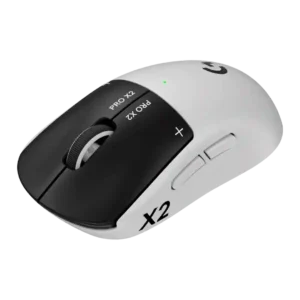
Sensor performance is a consistent strength, with the HERO 2 sensor described as great, flawless, responsive, and reliable.
Pros: switch feel, click latency
Cons: value for money, glide smoothness
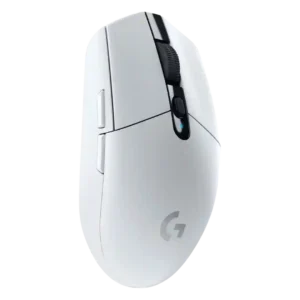
Sensor performance was one of the strongest areas, with repeated praise for the HERO sensor’s precision, smoothness, and gaming readiness.
Pros: value for money, weight
Cons: charging convenience, palm grip comfort
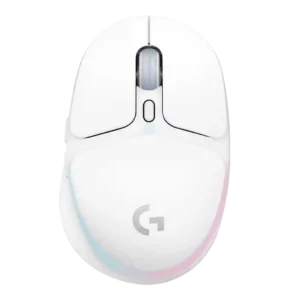
Sensor performance was generally strong in practical gaming, with accurate tracking and good implementation despite the non-flagship sensor.
Pros: shape comfort, battery life
Cons: value for money, DPI range
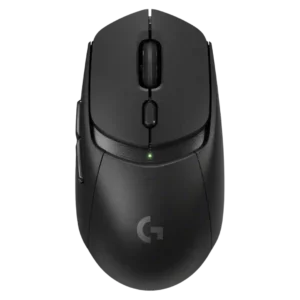
Sensor feedback was mostly positive, with reviewers calling the Hero 25K reliable, accurate, and easy with quick swipes, though one review called it snappy without standing out.
Pros: value for money, weight
Cons: premium feel, polling rate
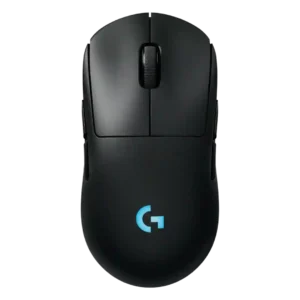
Sensor feedback is broadly positive: reviewers called it excellent, upgraded, reliable, or even laughably good, while one felt the real-world difference was not massive.
Pros: battery life, handedness options
Cons: value for money, polling rate
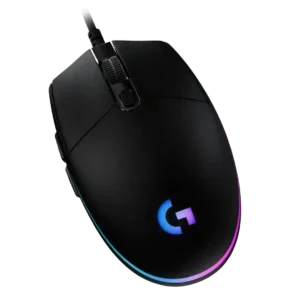
Sensor performance is broadly judged dependable and responsive for budget gaming, though several reviewers note it is not a cutting-edge or premium-class sensor.
Pros: value for money, RGB features
Cons: palm grip comfort, click noise
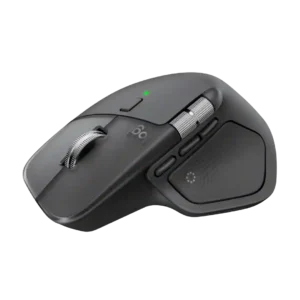
The 8,000-DPI Darkfield sensor is consistently praised for accurate tracking and excellent surface versatility. It is more than sufficient for productivity even if gaming specs have moved far beyond it.
Pros: productivity performance, materials quality
Cons: haptic controls, gaming suitability
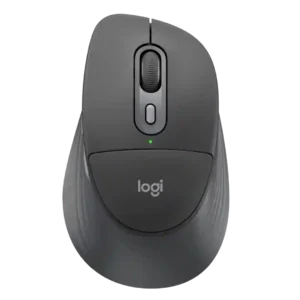
The sensor handles normal productivity tasks adequately, but one reviewer considered the underlying hardware basic for the price.
Pros: ergonomic design, hand support