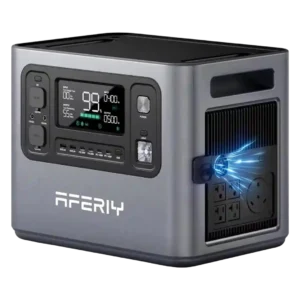
With enough panel capacity, solar charging can be very fast and approached 1kW in imperfect conditions. Small bundled panels require far longer.
Pros: rated output, peak output
Cons: app connectivity, voltage regulation

With enough panel capacity, solar charging can be very fast and approached 1kW in imperfect conditions. Small bundled panels require far longer.
Pros: rated output, peak output
Cons: app connectivity, voltage regulation
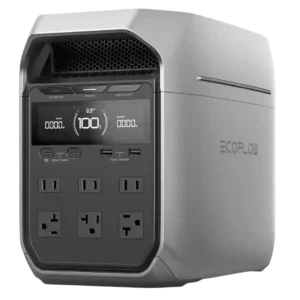
Dual solar inputs can recharge the station very quickly under a strong array, but a few off-grid users reported slow charging or failure to restart after depletion.
Pros: rated output, peak output
Cons: 30-amp output, parallel operation support
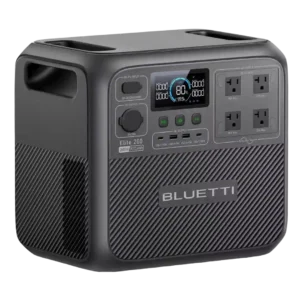
Solar charging can be very fast with adequate panels and sun, though clouds, panel limits, and occasional faults produce wide variation.
Pros: output stability, pure sine wave output
Cons: specification accuracy, startup reliability
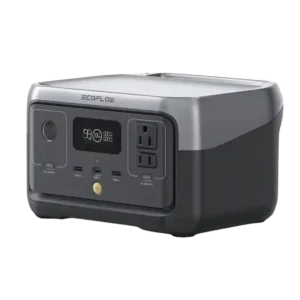
With a well-matched 100-110W panel and good sun, a full recharge commonly takes about three to four hours, though real weather can slow it dramatically.
Pros: surge capacity, output stability
Cons: dual-input charging, whole-home integration

With 200–400W panels and strong sun, recharge times around five to six hours are realistic; a 110W panel is far slower.
Pros: inverter quality, power quality
Cons: Wi-Fi connectivity, weather resistance

Good sun and enough panel wattage can refill it in a day or less, while clouds, winter light, and the input ceiling slow results considerably.
Pros: rated output, peak output
Cons: standby power loss, specification accuracy
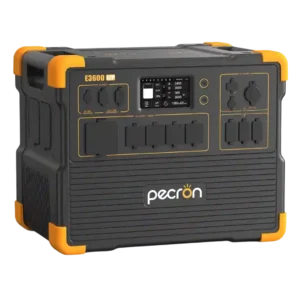
Solar charging can be extremely fast with a proper array, though defective units and input-reporting issues create uneven experiences.
Pros: power output, rated output
Cons: output stability, voltage regulation
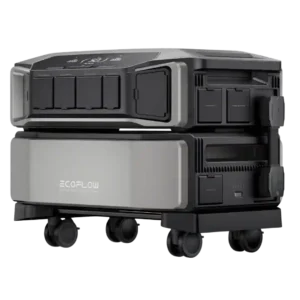
Solar charging is capable and highly useful, but not always class-leading relative to battery size or newer competitors. Owners still value solar as the best way to extend outage runtime...
Pros: power quality, simultaneous device support
Cons: battery percentage accuracy, firmware updates
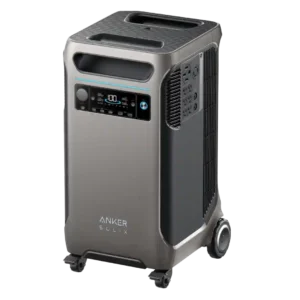
Solar performance ranges from very fast with a well-matched large array to frustratingly slow with one portable panel. Real-world results depend heavily on panel voltage, wiring, weather, and the input...
Pros: rated output, output stability
Cons: car charging speed, USB-A ports
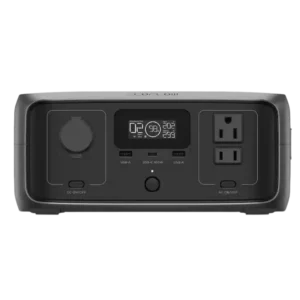
With a suitable panel and good sun, solar charging is workable in roughly three hours. The low input ceiling, small bundled panel, and a few reliability complaints keep it from...
Pros: noise level, idle noise
Cons: self-discharge rate, air travel suitability
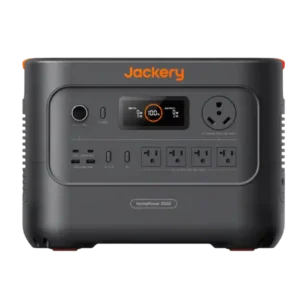
Solar charging is workable but highly setup-dependent. A large array can recharge it quickly, while one or two 200W panels may take most of a day or longer.
Pros: power output, rated output
Cons: battery expandability, car charging speed
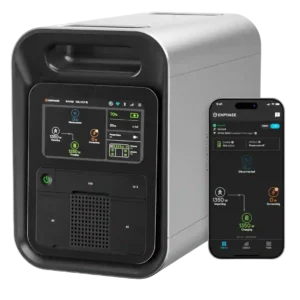
Solar performance is mixed. Two panels can recharge it in about four hours under good sun, but the low 440 W ceiling makes cloudy-day and single-panel charging slow.
Pros: rated output, output stability
Cons: runtime at full load, RV outlet