Best for power quality
EcoFlow Delta 3 Plus Review
5.0 attribute score
Highest scored product for this attribute based on supporting review evidence.

Highest scored product for this attribute based on supporting review evidence.
Balances the attribute score, supporting reviews, and overall product strength.
Has the broadest review evidence for this attribute.
Strongest overall product among items with scored evidence for this attribute.
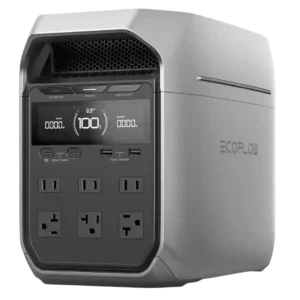
Computers, networking equipment, appliances, and workshop tools continued operating smoothly without dips or interruptions.
Pros: overall product satisfaction, solar panel compatibility
Cons: long-term reliability, standby power loss
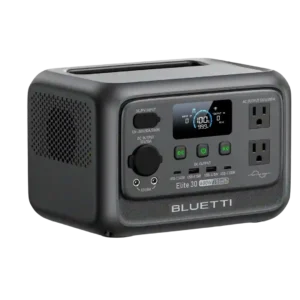
Normal AC output is clean, stable, and suitable for sensitive computers, servers, and audio equipment.
Pros: value for money, portability
Cons: battery capacity, standby power loss
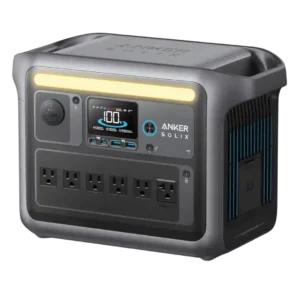
Pure-sine, stable AC output works well with computers, CPAP machines, networking gear, and other sensitive electronics.
Pros: overall product satisfaction, runtime
Cons: noise level, weight
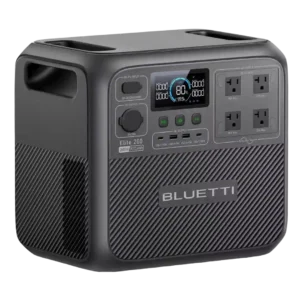
Clean, stable power safely supports computers, servers, cameras, and other sensitive electronics.
Pros: overall product satisfaction, value for money
Cons: weight, battery expandability
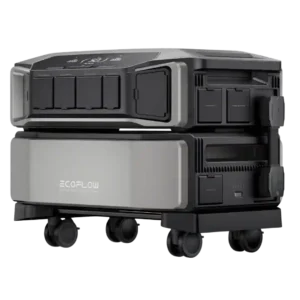
Pure-sine, split-phase output is praised as clean and stable, including low measured distortion and seamless 120V/240V operation for sensitive and heavy equipment.
Pros: overall product satisfaction, value for money
Cons: customer support, shipping speed
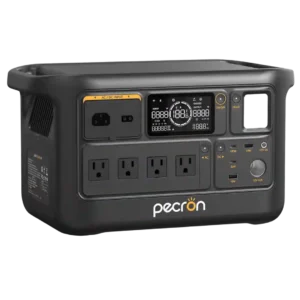
Power quality is a major strength, with clean audio behavior and smooth sine-wave traces holding up under load.
Pros: overall product satisfaction, load handling
Cons: battery expandability, long-term reliability
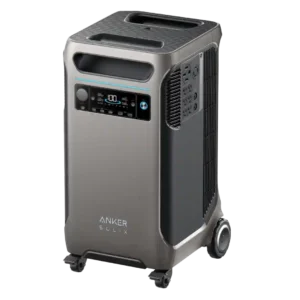
Sensitive equipment benefits from clean, steady pure-sine output that tested well during UPS and heavy-load use.
Pros: overall product satisfaction, home backup capability
Cons: value for money, weight
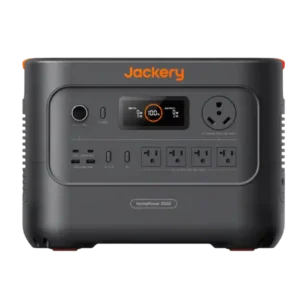
Power quality is consistently described as clean and safe for electronics, with stable operation under load.
Pros: high-demand appliance support, overall product satisfaction
Cons: accessory ecosystem, charging input compatibility
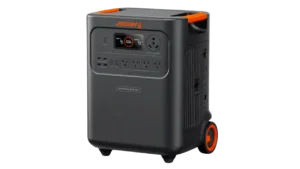
Reviewers describe the AC output as clean enough for sensitive electronics and equipment that benefits from stable power.
Pros: overall product satisfaction, portability
Cons: weight, solar charging speed
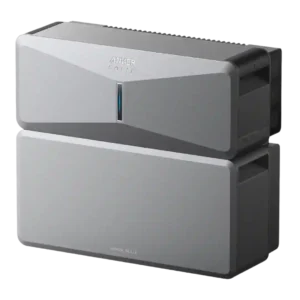
One off-grid test praised the system's clean output, an important benefit for sensitive electronics when generator support is involved.
Pros: ease of setup, overall product satisfaction
Cons: display quality, accessory ecosystem
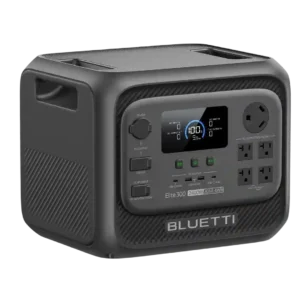
Pass-through and backup tests showed clean, stable power without voltage problems for sensitive office and production equipment.
Pros: compactness, load handling
Cons: weight, battery expandability
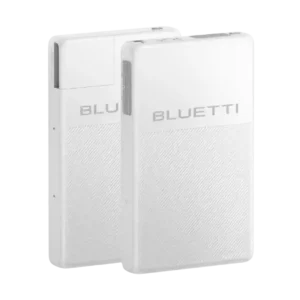
Low harmonic distortion and clean sine-wave output make the unit suitable for refrigerators, computers, and other sensitive equipment.
Pros: overall product satisfaction, runtime
Cons: weight, DC output
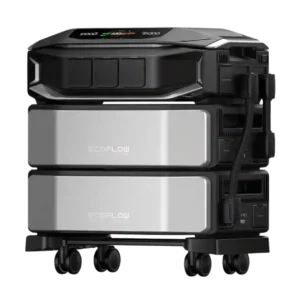
Testing points to clean output that works well with sensitive electronics, strengthening the Ultra X's case as a home backup source rather than just a high-wattage battery.
Pros: power output, home backup capability
Cons: AC outlet count, UPS functionality
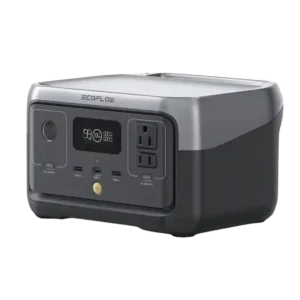
Technical measurements found clean, stable AC output that compared favorably with ordinary mains power.
Pros: overall product satisfaction, AC charging speed
Cons: runtime, high-demand appliance support
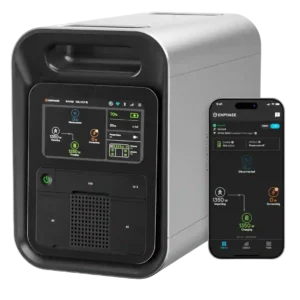
AC output is exceptionally clean, with no audible difference from normal grid power in amplification testing.
Pros: display quality, overall product satisfaction
Cons: solar charging speed, weight
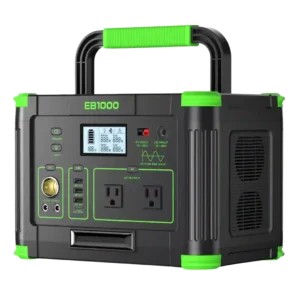
Sensitive devices ran smoothly without noticeable fluctuations, reinforcing confidence in the station's overall power quality.
Pros: overall product satisfaction, value for money
Cons: long-term reliability, recharge speed
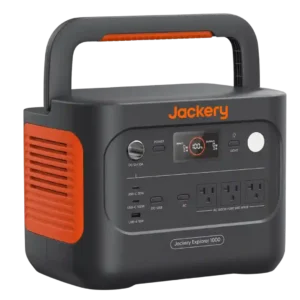
Sensitive and variable-speed equipment ran without flicker, buzzing, or noticeable fluctuations.
Pros: overall product satisfaction, AC charging speed
Cons: solar panel compatibility, solar cable compatibility
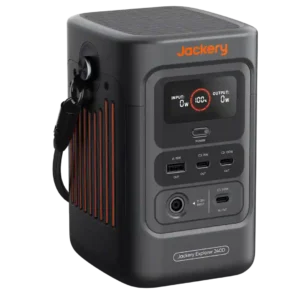
Older Explorer 240 coverage praises pure sine wave AC for sensitive electronics; the current 240D instead relies on stable direct-DC output.
Pros: value for money, compactness
Cons: high-demand appliance support, AC outlet count
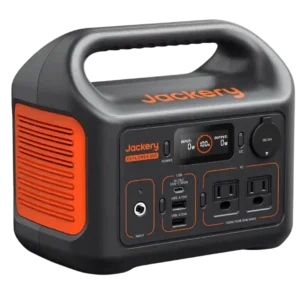
Clean AC output is suitable for sensitive electronics and behaves much like household power.
Pros: overall product satisfaction, portability
Cons: high-demand appliance support, home backup capability
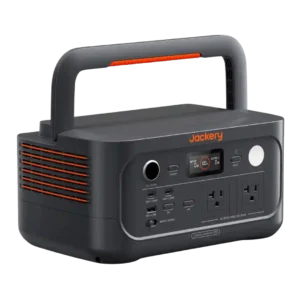
Pure-sine output was viewed as safe and stable for computers and other sensitive electronics.
Pros: overall product satisfaction, compactness
Cons: high-demand appliance support, app connectivity
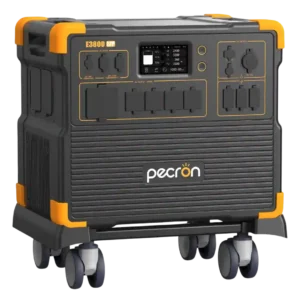
Scope and audio testing found the AC output to be a clean sine wave suitable for sensitive electronics and radio/audio use.
Pros: overall product satisfaction, value for money
Cons: weight, app quality
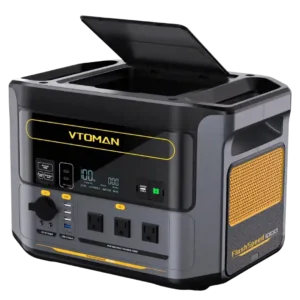
Stable pure sine AC output is considered safe and appropriate for computers, chargers, and other sensitive electronics.
Pros: overall product satisfaction, AC charging speed
Cons: weight, display readability
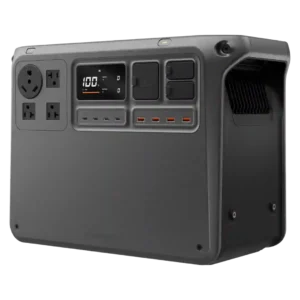
Inverter output was generally clean and stable, although one audio test detected interference that may require a line conditioner.
Pros: noise level, power output
Cons: weight, accessory ecosystem
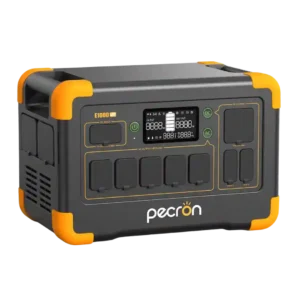
Power quality is generally usable to good, but high-load waveform distortion and at least one cleaner competing inverter keep it from being a class leader.
Pros: overall product satisfaction, value for money
Cons: standby power loss, surge capacity
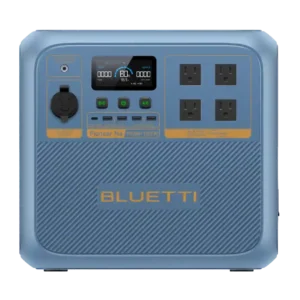
Voltage and sine-wave tests are strong for ordinary electronics, but two reviews found significant audible interference with sensitive amplification gear.
Pros: overall product satisfaction, cold-weather performance
Cons: value for money, weight
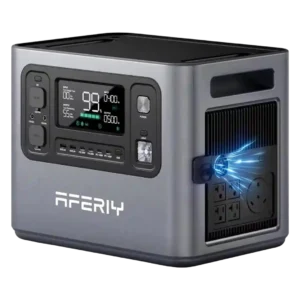
The inverter normally supplies clean pure-sine power, but slight distortion and voltage sag appear near maximum output.
Pros: overall product satisfaction, battery expandability
Cons: weight, built-in light
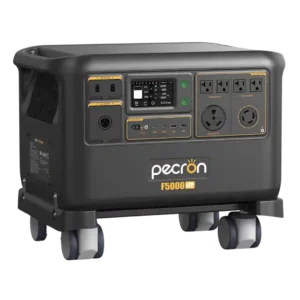
Waveform quality is the most serious technical disagreement in the reviews. Some tests show clean output at lighter loads, while multiple testers measure THD rising to about 3.5% near full...
Pros: overall product satisfaction, value for money
Cons: weight, wheel quality
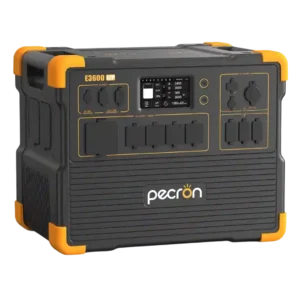
Power quality is generally clean enough for electronics and audio gear, though one defective unit damaged USB devices and one test found mild interference.
Pros: overall product satisfaction, value for money
Cons: long-term reliability, noise level