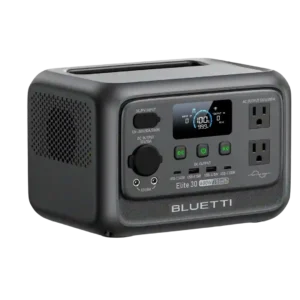
Normal AC output is clean, stable, and suitable for sensitive computers, servers, and audio equipment.
Pros: rated output, output stability
Cons: over-voltage protection, cold-weather performance

Normal AC output is clean, stable, and suitable for sensitive computers, servers, and audio equipment.
Pros: rated output, output stability
Cons: over-voltage protection, cold-weather performance
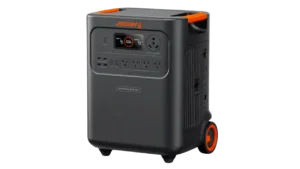
Reviewers describe the AC output as clean enough for sensitive electronics and equipment that benefits from stable power.
Pros: output stability, voltage regulation
Cons: DC output, 12-volt outlet
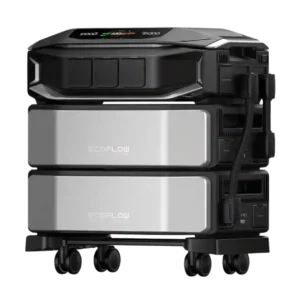
Testing points to clean output that works well with sensitive electronics, strengthening the Ultra X's case as a home backup source rather than just a high-wattage battery.
Pros: output stability, voltage regulation
Cons: solar cable compatibility, UPS functionality
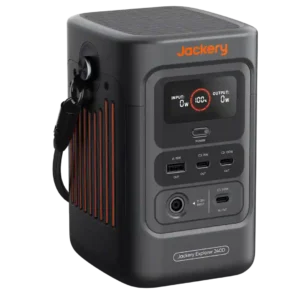
Older Explorer 240 coverage praises pure sine wave AC for sensitive electronics; the current 240D instead relies on stable direct-DC output.
Pros: power output, rated output
Cons: AC outlet count, repairability
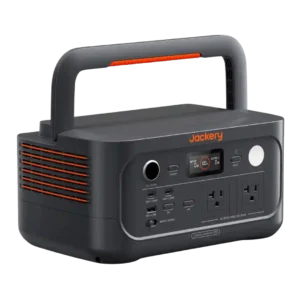
Pure-sine output was viewed as safe and stable for computers and other sensitive electronics.
Pros: output stability, pure sine wave output
Cons: remaining runtime estimate, Bluetooth connectivity
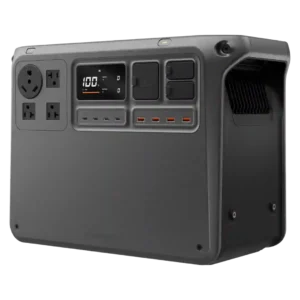
Inverter output was generally clean and stable, although one audio test detected interference that may require a line conditioner.
Pros: rated output, peak output
Cons: startup reliability, full-load noise
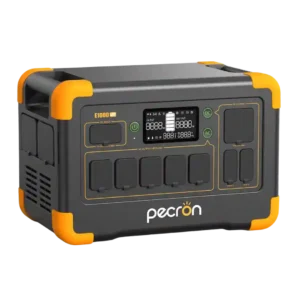
Power quality is generally usable to good, but high-load waveform distortion and at least one cleaner competing inverter keep it from being a class leader.
Pros: inverter quality, LiFePO4 battery
Cons: idle noise, built-in light
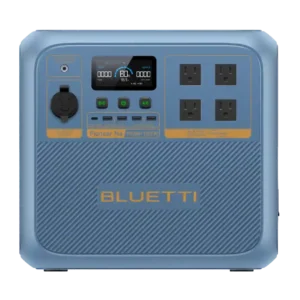
Voltage and sine-wave tests are strong for ordinary electronics, but two reviews found significant audible interference with sensitive amplification gear.
Pros: pure sine wave output, startup performance
Cons: MPPT controller performance, battery expandability