Best for overload protection
Pecron F1000LFP
5.0 attribute score
Highest scored product for this attribute based on supporting review evidence.

Highest scored product for this attribute based on supporting review evidence.
Balances the attribute score, supporting reviews, and overall product strength.
Has the broadest review evidence for this attribute.
Strongest overall product among items with scored evidence for this attribute.
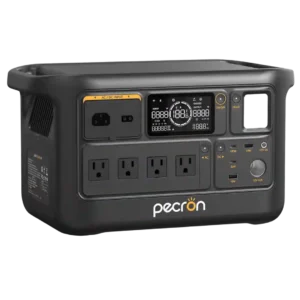
Overload behavior is well judged: the F1000 shuts down instead of continuing with unsafe low voltage, and recovery is generally simple after cycling the AC output.
Pros: overall product satisfaction, load handling
Cons: battery expandability, long-term reliability
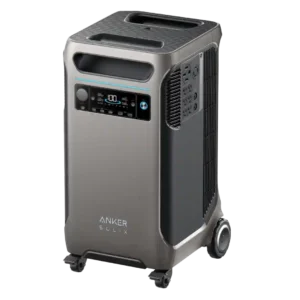
When testers exceeded the power limit, the station shut down cleanly and displayed an overload warning instead of damaging itself.
Pros: overall product satisfaction, home backup capability
Cons: value for money, weight
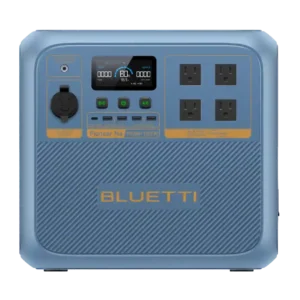
Overload protection behaved correctly in stress tests, shutting the inverter down cleanly when loads exceeded its safe range.
Pros: overall product satisfaction, cold-weather performance
Cons: value for money, weight
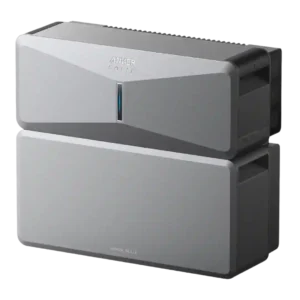
When overloaded in testing, the E10 recovered automatically instead of remaining shut down, an important advantage for unattended home backup.
Pros: ease of setup, overall product satisfaction
Cons: display quality, accessory ecosystem
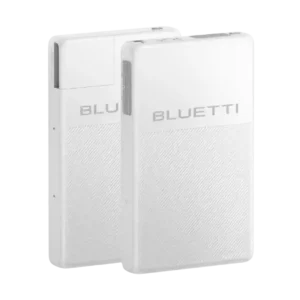
An audible alarm and red status light clearly signal an inverter overload and continue until the issue is reset. That behavior was specifically praised.
Pros: overall product satisfaction, runtime
Cons: weight, DC output
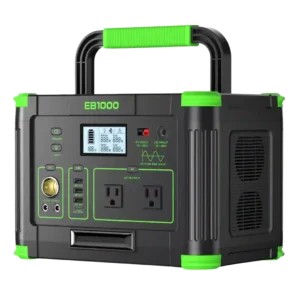
Overload protection worked correctly in bench testing, allowing brief spikes before safely shutting down the AC section.
Pros: overall product satisfaction, value for money
Cons: long-term reliability, recharge speed
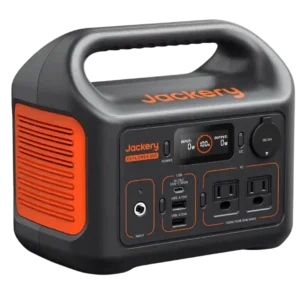
When overloaded, the inverter shuts down safely and can be reset after removing the offending load.
Pros: overall product satisfaction, portability
Cons: high-demand appliance support, home backup capability
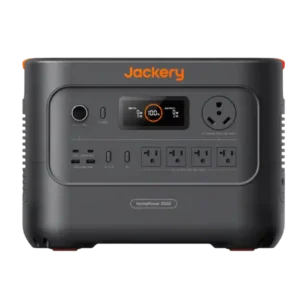
The inverter tolerated a severe temporary overload before shutting down, showing useful protective headroom.
Pros: high-demand appliance support, overall product satisfaction
Cons: accessory ecosystem, charging input compatibility
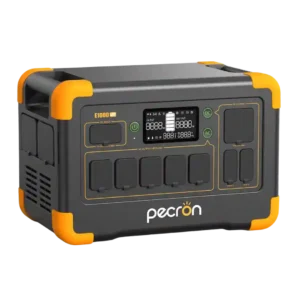
When pushed past its limit, the inverter shut down cleanly rather than continuing an unsafe overload, which is the desired behavior.
Pros: overall product satisfaction, value for money
Cons: standby power loss, surge capacity
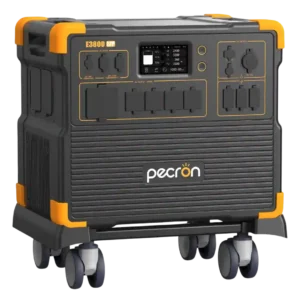
Testing confirmed the unit eventually trips protection when held above its continuous rating, while still allowing useful short-term headroom.
Pros: overall product satisfaction, value for money
Cons: weight, app quality
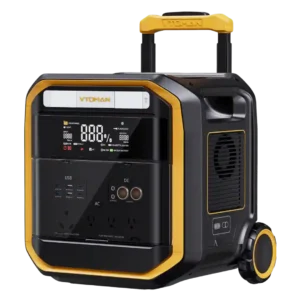
VTOMAN’s load-management behavior impressed reviewers by ramping or reducing output instead of immediately shutting down under difficult startup loads.
Pros: overall product satisfaction, recharge speed
Cons: weight, lifting ease
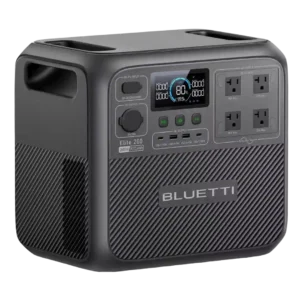
Deliberate overload tests shut the system down safely and allowed a straightforward reset afterward.
Pros: overall product satisfaction, value for money
Cons: weight, battery expandability
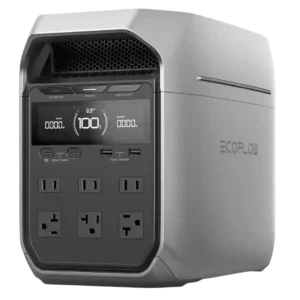
The inverter shuts down safely beyond its limits and often provides a brief margin to remove an accidental overload.
Pros: overall product satisfaction, solar panel compatibility
Cons: long-term reliability, standby power loss
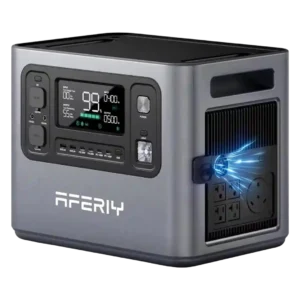
AC and DC outputs shut down when their tested limits were exceeded, while unaffected outputs often remained available.
Pros: overall product satisfaction, battery expandability
Cons: weight, built-in light
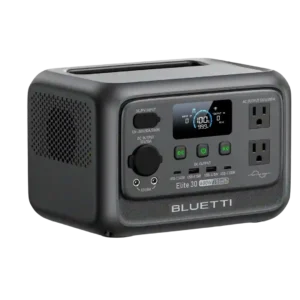
Unsupported heater loads trigger protection quickly instead of allowing the unit to struggle indefinitely.
Pros: value for money, portability
Cons: battery capacity, standby power loss
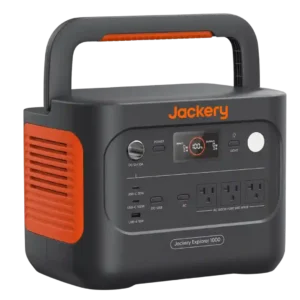
Testing showed a little tolerance above rated output before shutdown, giving brief startup loads room without immediate failure.
Pros: overall product satisfaction, AC charging speed
Cons: solar panel compatibility, solar cable compatibility
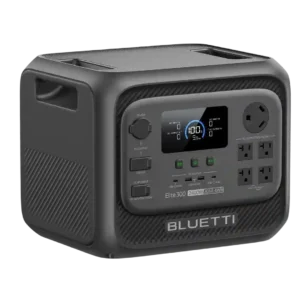
Protection circuits generally shut the unit down cleanly when pushed beyond its limits and were easy to reset afterward.
Pros: compactness, load handling
Cons: weight, battery expandability
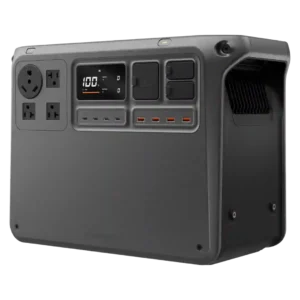
Automatic cutoffs generally protected the unit appropriately, but some users encountered shutdowns or limits sooner than expected.
Pros: noise level, power output
Cons: weight, accessory ecosystem
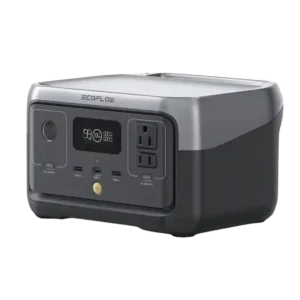
The unit generally shuts down and resets cleanly after oversized loads, though unexpected overload trips during solar charging were reported.
Pros: overall product satisfaction, AC charging speed
Cons: runtime, high-demand appliance support
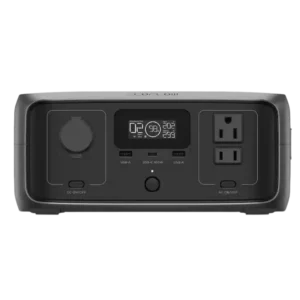
The unit shuts down when loads exceed safe limits, protecting the station even when that interrupts the application.
Pros: overall product satisfaction, portability
Cons: specification accuracy, display readability
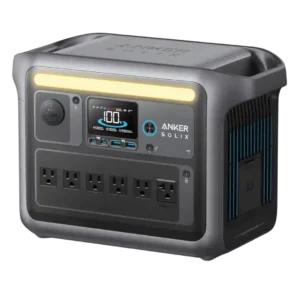
When loads exceed the limit, the C1000 shuts down cleanly and can restart shortly afterward, protecting both the station and connected devices.
Pros: overall product satisfaction, runtime
Cons: noise level, weight
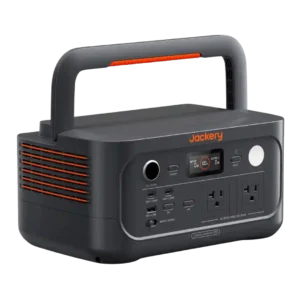
The inverter shuts down under sustained overload as expected, but the way it communicates that cutoff could be clearer.
Pros: overall product satisfaction, compactness
Cons: high-demand appliance support, app connectivity
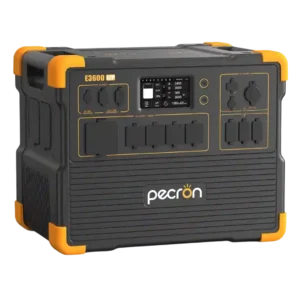
Overload behavior is mixed: healthy units provide useful headroom, while faulty units trigger warnings far below rated load.
Pros: overall product satisfaction, value for money
Cons: long-term reliability, noise level
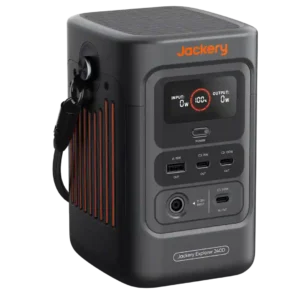
The BMS does shut the station down when combined demand exceeds safe limits, though one test triggered protection quickly near the rated ceiling.
Pros: value for money, compactness
Cons: high-demand appliance support, AC outlet count
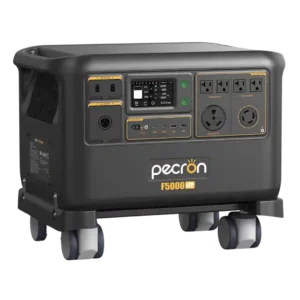
One stress test found overload behavior slower and less decisive than expected when the inverter faced a difficult starting load. The system eventually protected itself, but the response did not...
Pros: overall product satisfaction, value for money
Cons: weight, wheel quality