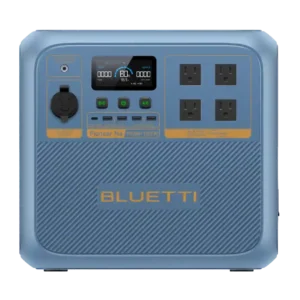
Overload protection behaved correctly in stress tests, shutting the inverter down cleanly when loads exceeded its safe range.
Pros: pure sine wave output, startup performance
Cons: MPPT controller performance, battery expandability

Overload protection behaved correctly in stress tests, shutting the inverter down cleanly when loads exceeded its safe range.
Pros: pure sine wave output, startup performance
Cons: MPPT controller performance, battery expandability
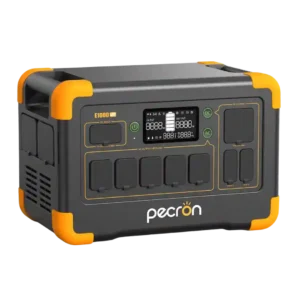
When pushed past its limit, the inverter shut down cleanly rather than continuing an unsafe overload, which is the desired behavior.
Pros: inverter quality, LiFePO4 battery
Cons: idle noise, built-in light
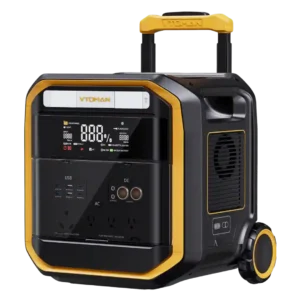
VTOMAN’s load-management behavior impressed reviewers by ramping or reducing output instead of immediately shutting down under difficult startup loads.
Pros: power output, surge capacity
Cons: specification accuracy, peak output
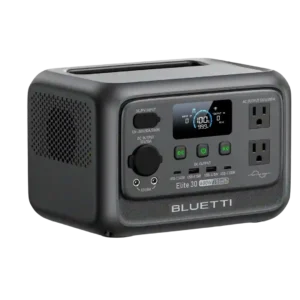
Unsupported heater loads trigger protection quickly instead of allowing the unit to struggle indefinitely.
Pros: rated output, output stability
Cons: over-voltage protection, cold-weather performance
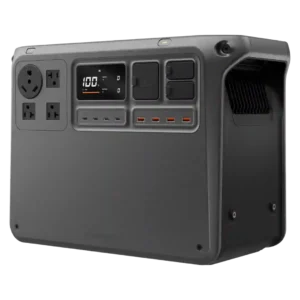
Automatic cutoffs generally protected the unit appropriately, but some users encountered shutdowns or limits sooner than expected.
Pros: rated output, peak output
Cons: startup reliability, full-load noise
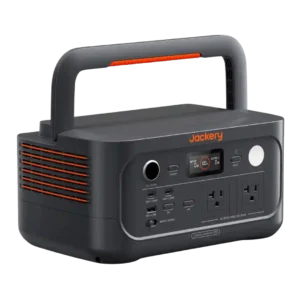
The inverter shuts down under sustained overload as expected, but the way it communicates that cutoff could be clearer.
Pros: output stability, pure sine wave output
Cons: remaining runtime estimate, Bluetooth connectivity
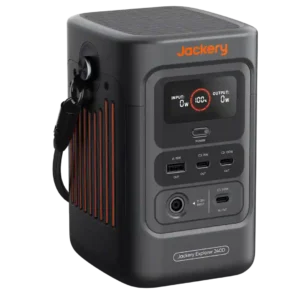
The BMS does shut the station down when combined demand exceeds safe limits, though one test triggered protection quickly near the rated ceiling.
Pros: power output, rated output
Cons: AC outlet count, repairability