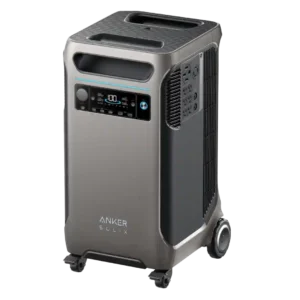
When testers exceeded the power limit, the station shut down cleanly and displayed an overload warning instead of damaging itself.
Pros: rated output, output stability
Cons: car charging speed, USB-A ports

When testers exceeded the power limit, the station shut down cleanly and displayed an overload warning instead of damaging itself.
Pros: rated output, output stability
Cons: car charging speed, USB-A ports
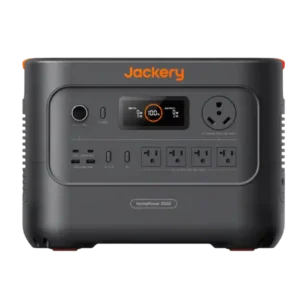
The inverter tolerated a severe temporary overload before shutting down, showing useful protective headroom.
Pros: power output, rated output
Cons: battery expandability, car charging speed
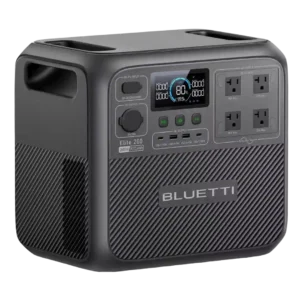
Deliberate overload tests shut the system down safely and allowed a straightforward reset afterward.
Pros: output stability, pure sine wave output
Cons: specification accuracy, startup reliability
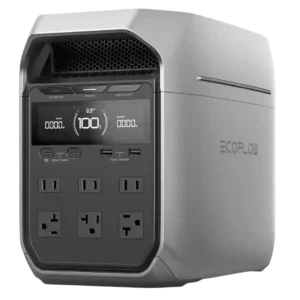
The inverter shuts down safely beyond its limits and often provides a brief margin to remove an accidental overload.
Pros: rated output, peak output
Cons: 30-amp output, parallel operation support
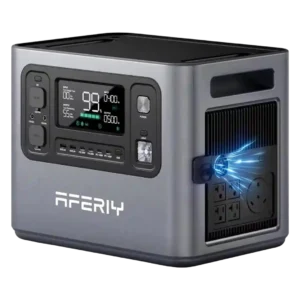
AC and DC outputs shut down when their tested limits were exceeded, while unaffected outputs often remained available.
Pros: rated output, peak output
Cons: app connectivity, voltage regulation
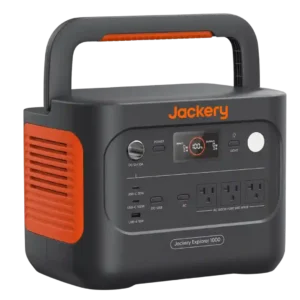
Testing showed a little tolerance above rated output before shutdown, giving brief startup loads room without immediate failure.
Pros: rated output, peak output
Cons: standby power loss, specification accuracy
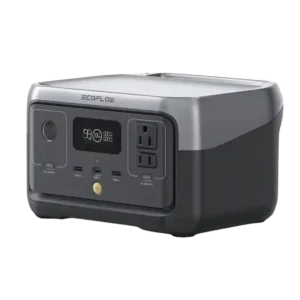
The unit generally shuts down and resets cleanly after oversized loads, though unexpected overload trips during solar charging were reported.
Pros: surge capacity, output stability
Cons: dual-input charging, whole-home integration
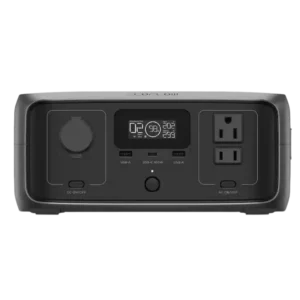
The unit shuts down when loads exceed safe limits, protecting the station even when that interrupts the application.
Pros: noise level, idle noise
Cons: self-discharge rate, air travel suitability
Overload behavior is mixed: healthy units provide useful headroom, while faulty units trigger warnings far below rated load.
Pros: power output, rated output
Cons: output stability, voltage regulation