Best for charging efficiency
Anker SOLIX E10
5.0 attribute score
Highest scored product for this attribute based on supporting review evidence.

Highest scored product for this attribute based on supporting review evidence.
Balances the attribute score, supporting reviews, and overall product strength.
Has the broadest review evidence for this attribute.
Strongest overall product among items with scored evidence for this attribute.
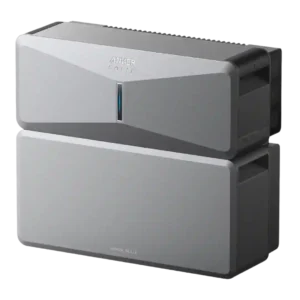
Direct DC charging from the Smart Generator is repeatedly praised for avoiding extra conversion losses and maintaining strong charging efficiency while the system is under load.
Pros: ease of setup, overall product satisfaction
Cons: display quality, accessory ecosystem
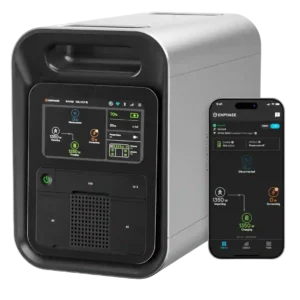
Measured efficiency closely matches or exceeds the rating, and real-world runtimes are considered dependable.
Pros: display quality, overall product satisfaction
Cons: solar charging speed, weight
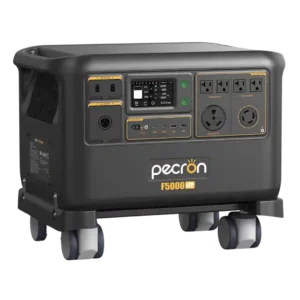
Measured DC-side efficiency is excellent, with reviewers recovering around 90% of rated capacity through direct-current loads. That makes the high-power DC path especially attractive.
Pros: overall product satisfaction, value for money
Cons: weight, wheel quality
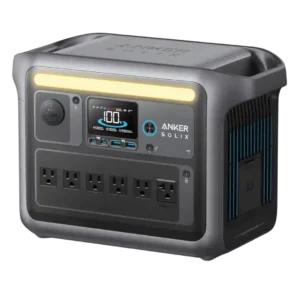
Measured recharge and round-trip efficiency are among the better results reported for this class, especially at moderate settings.
Pros: overall product satisfaction, runtime
Cons: noise level, weight
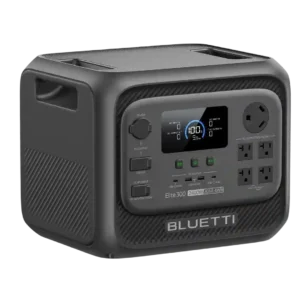
Silent charging produced a strong measured 88.5% input efficiency, using less energy than the faster modes.
Pros: compactness, load handling
Cons: weight, battery expandability
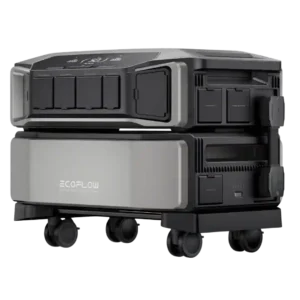
Measured AC charging efficiency reached the low-to-mid 90% range in one detailed test, an excellent result for a system this large.
Pros: overall product satisfaction, value for money
Cons: customer support, shipping speed
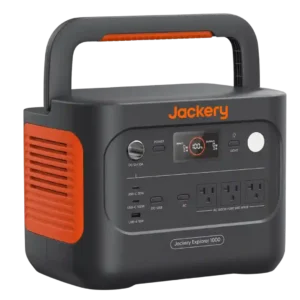
Measured conversion efficiency was strong for the class, giving buyers more usable energy from the rated battery capacity.
Pros: overall product satisfaction, AC charging speed
Cons: solar panel compatibility, solar cable compatibility
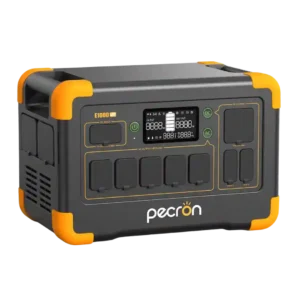
AC charging efficiency measured about 90.6%, a strong result for this size of portable station.
Pros: overall product satisfaction, value for money
Cons: standby power loss, surge capacity
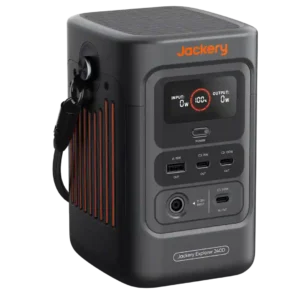
The DC-focused design wastes little energy, and measured USB efficiency is strong. Older Explorer 240 testing also produced unusually high capacity-to-output efficiency.
Pros: value for money, compactness
Cons: high-demand appliance support, AC outlet count
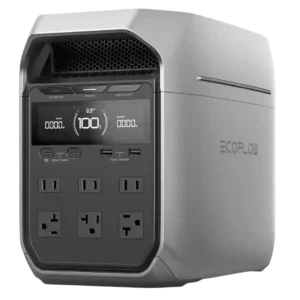
Recharge efficiency is generally strong, with measured results around the high-80% to low-90% range.
Pros: overall product satisfaction, solar panel compatibility
Cons: long-term reliability, standby power loss
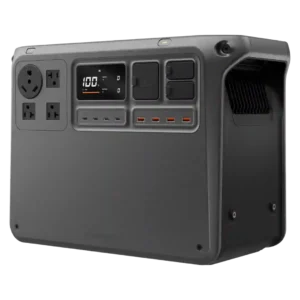
Direct DC charging avoids unnecessary conversion losses and was praised for efficient power transfer.
Pros: noise level, power output
Cons: weight, accessory ecosystem
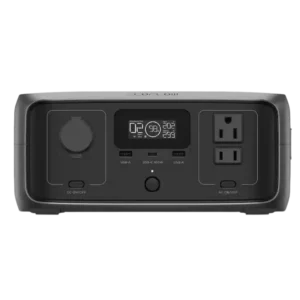
Fast charging is well controlled and generally does not create excessive heat or apparent battery stress.
Pros: overall product satisfaction, portability
Cons: specification accuracy, display readability
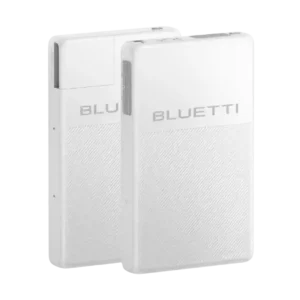
Measured charging efficiency ranged from solid to excellent, with one detailed test reaching about 94.6%. Independent testing did not fully support every efficiency claim, but performance remained respectable.
Pros: overall product satisfaction, runtime
Cons: weight, DC output
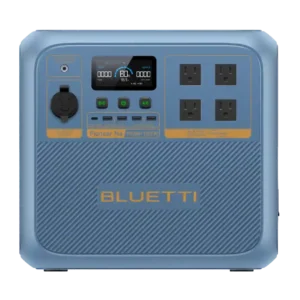
Charging efficiency is mostly strong, though results vary by mode and one review measured weaker round-trip efficiency than expected.
Pros: overall product satisfaction, cold-weather performance
Cons: value for money, weight
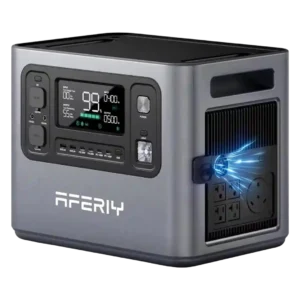
Grid charging returned roughly 90% efficiency in testing, a solid result for a large battery system.
Pros: overall product satisfaction, battery expandability
Cons: weight, built-in light
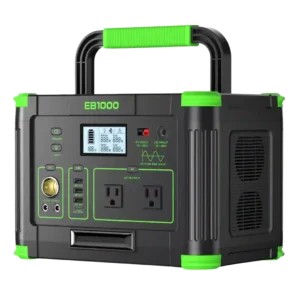
Measured charging and discharge losses were within normal expectations, delivering solid rather than exceptional conversion efficiency.
Pros: overall product satisfaction, value for money
Cons: long-term reliability, recharge speed
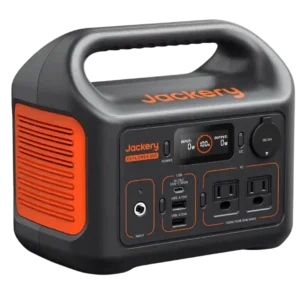
Measured charge efficiency was described as textbook-standard for lithium-ion, so losses are normal rather than exceptional.
Pros: overall product satisfaction, portability
Cons: high-demand appliance support, home backup capability
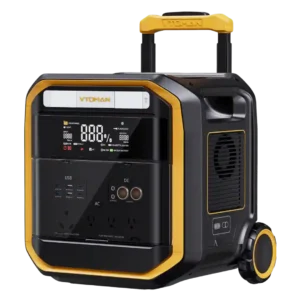
With the matching panels, solar conversion is considered efficient enough to make five-to-eight-hour off-grid charging dependable.
Pros: overall product satisfaction, recharge speed
Cons: weight, lifting ease
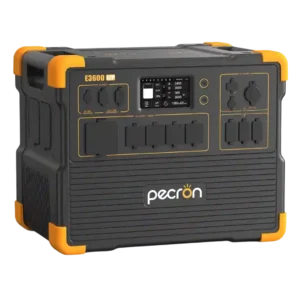
Efficiency is usually strong under load, but one replacement unit showed severe heat-related loss that appears abnormal.
Pros: overall product satisfaction, value for money
Cons: long-term reliability, noise level
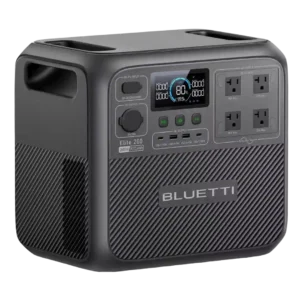
Output efficiency is excellent, but wall-to-battery input losses vary enough that round-trip results are less uniformly impressive.
Pros: overall product satisfaction, value for money
Cons: weight, battery expandability
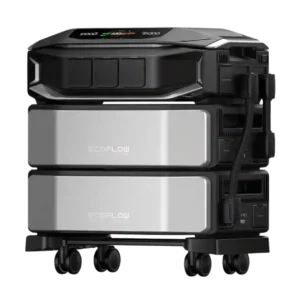
Solar charging conversion appears promising, but one detailed efficiency test could not produce a trustworthy exact figure. The reviewer still expected the high-voltage charging architecture to be highly efficient.
Pros: power output, home backup capability
Cons: AC outlet count, UPS functionality
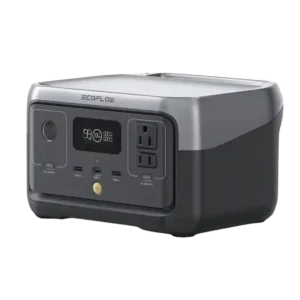
Fast AC charging trades some efficiency for speed, while DC and USB-C results range from solid to excellent depending on voltage and load.
Pros: overall product satisfaction, AC charging speed
Cons: runtime, high-demand appliance support
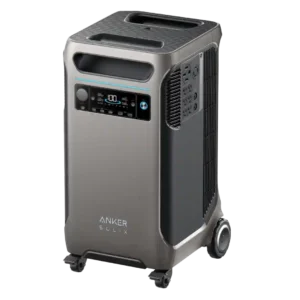
Measured inverter or round-trip efficiency ranged from typical for a large station to notably wasteful, depending on the test method and load.
Pros: overall product satisfaction, home backup capability
Cons: value for money, weight
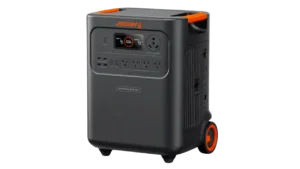
Charging efficiency is mixed: AC performance is strong, but one detailed solar test found meaningful conversion loss through the charging path.
Pros: overall product satisfaction, portability
Cons: weight, solar charging speed