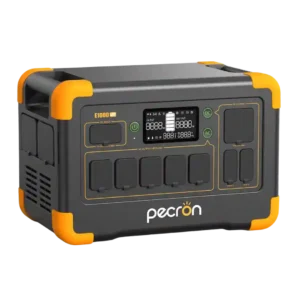
AC charging efficiency measured about 90.6%, a strong result for this size of portable station.
Pros: inverter quality, LiFePO4 battery
Cons: idle noise, built-in light

AC charging efficiency measured about 90.6%, a strong result for this size of portable station.
Pros: inverter quality, LiFePO4 battery
Cons: idle noise, built-in light
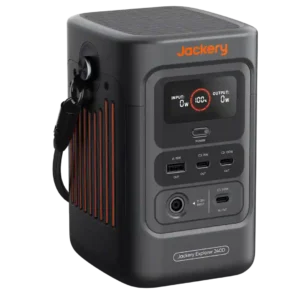
The DC-focused design wastes little energy, and measured USB efficiency is strong. Older Explorer 240 testing also produced unusually high capacity-to-output efficiency.
Pros: power output, rated output
Cons: AC outlet count, repairability
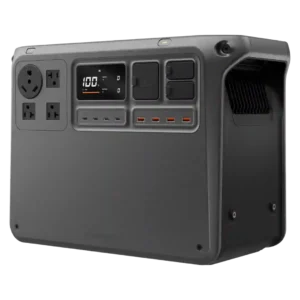
Direct DC charging avoids unnecessary conversion losses and was praised for efficient power transfer.
Pros: rated output, peak output
Cons: startup reliability, full-load noise
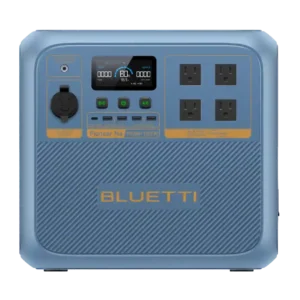
Charging efficiency is mostly strong, though results vary by mode and one review measured weaker round-trip efficiency than expected.
Pros: pure sine wave output, startup performance
Cons: MPPT controller performance, battery expandability
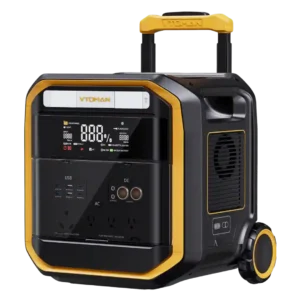
With the matching panels, solar conversion is considered efficient enough to make five-to-eight-hour off-grid charging dependable.
Pros: power output, surge capacity
Cons: specification accuracy, peak output
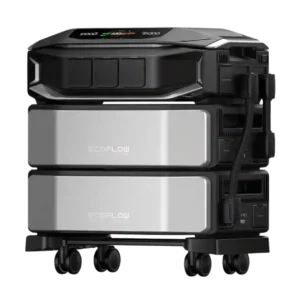
Solar charging conversion appears promising, but one detailed efficiency test could not produce a trustworthy exact figure. The reviewer still expected the high-voltage charging architecture to be highly efficient.
Pros: output stability, voltage regulation
Cons: solar cable compatibility, UPS functionality
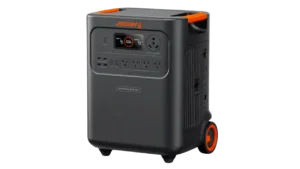
Charging efficiency is mixed: AC performance is strong, but one detailed solar test found meaningful conversion loss through the charging path.
Pros: output stability, voltage regulation
Cons: DC output, 12-volt outlet