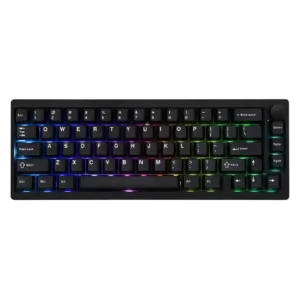
Overall: 4.2/5
Five internal dampening layers and gasket mounting effectively suppress resonance, hollowness and metallic ping while preserving a full sound.
Pros: overall satisfaction, build quality
Cons: portability, reliability

Overall: 4.2/5
Five internal dampening layers and gasket mounting effectively suppress resonance, hollowness and metallic ping while preserving a full sound.
Pros: overall satisfaction, build quality
Cons: portability, reliability
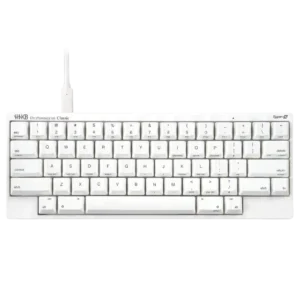
Overall: 4.0/5
Factory silencing is effective without adding the mushiness some silent switches introduce. Reviewers see the damping as a key advantage of the Type-S treatment.
Pros: switch feel, typing feel
Cons: value for money, layout options
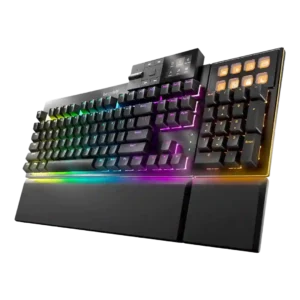
Overall: 4.3/5
Sound dampening was one of the clearest strengths, with reviewers praising the multi-layer foam/silicone system for reducing echo, vibration, and typing noise.
Pros: sound dampening, switch feel
Cons: reliability, rapid trigger support
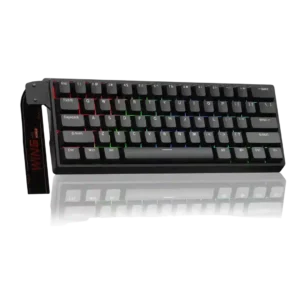
Overall: 4.4/5
Foam, silicone, and other internal dampening work well, keeping keypresses quiet and satisfying with little ping or rattle. This tuning is a major reason the board sounds better than many...
Pros: overall satisfaction, customization options
Cons: value for money, switch options
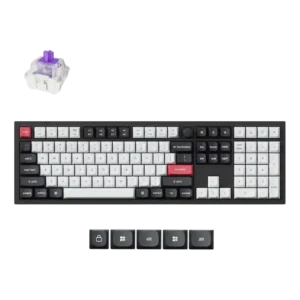
Overall: 4.4/5
Sound dampening received strong praise for absorbing switch noise, reducing ping, and making the case sound more refined.
Pros: build quality, keycap quality
Cons: switch options, portability
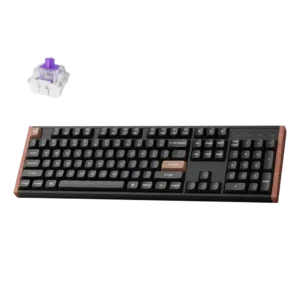
Overall: 4.3/5
Sound dampening was praised through thocky sound and acoustic foam comments that made typing more satisfying.
Pros: typing feel, design aesthetics
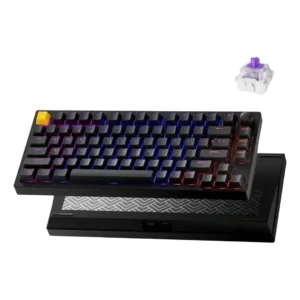
Overall: 4.2/5
Sound dampening was praised for gasket mounting and sound-absorbing materials that made the keyboard sound softer.
Pros: value for money, build quality
Cons: switch options, hot-swappable switches
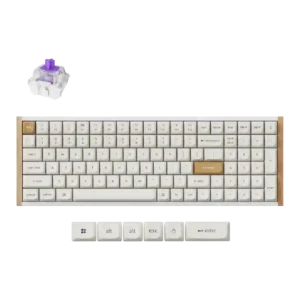
Overall: 4.3/5
Sound dampening was praised through foam, silicone pads, and reduced hollow sound that contributed to a soft or warm sound profile.
Pros: customization options, design aesthetics
Cons: switch options, key spacing
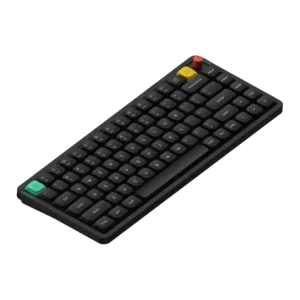
Overall: 4.2/5
Sound dampening was a major strength, with gasket, foam, and silicone changes repeatedly credited for reducing hollowness.
Pros: battery life, portability
Cons: volume control, switch options
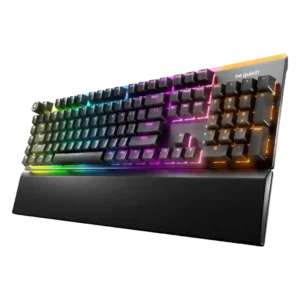
Overall: 4.2/5
Sound dampening is strongly praised, especially the multilayer foam/silicone approach that reduces echo, reverb, and harsh keystroke noise.
Pros: noise level, RGB lighting quality
Cons: rapid trigger support, extra gaming features
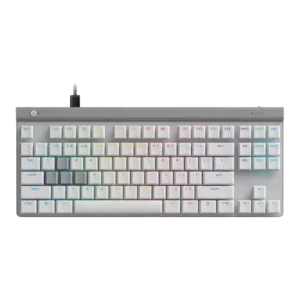
Overall: 4.0/5
Sound dampening was praised for reducing echo and creating a quieter, more controlled acoustic profile.
Pros: build quality, gaming performance
Cons: typing feel, typing comfort
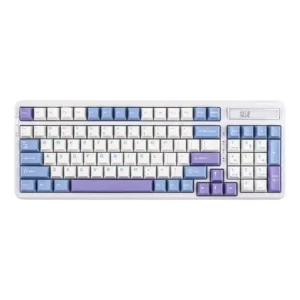
Overall: 4.1/5
Sound dampening was a strength, with reviewers repeatedly crediting foam, dampers or gasket design for reduced noise and vibration.
Pros: RGB customization, keycap quality
Cons: frame rigidity, switch options
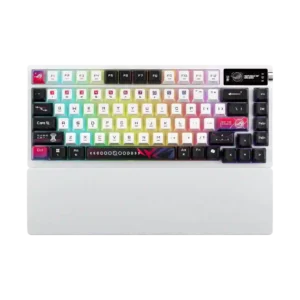
Overall: 4.1/5
Sound dampening was a clear strength, with reviewers crediting the foam stack and damping layers for reducing ping and improving sound.
Pros: typing feel, design aesthetics
Cons: value for money, materials quality
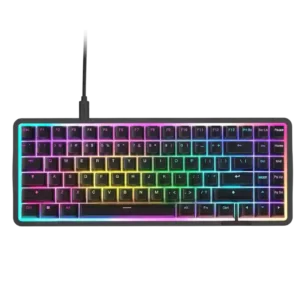
Overall: 3.9/5
Sound dampening was usually effective, producing thocky or pleasant acoustics, though one negative review felt the gasket failed to add softness.
Pros: software quality, build quality
Cons: value for money, connectivity
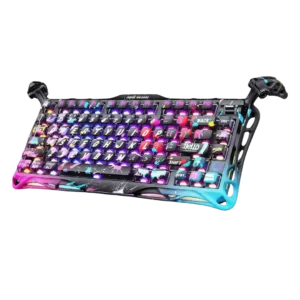
Overall: 4.1/5
Reviewers connected the board's dampened build with a clean, clacky sound and visible effort to improve acoustics.
Pros: design aesthetics, build quality
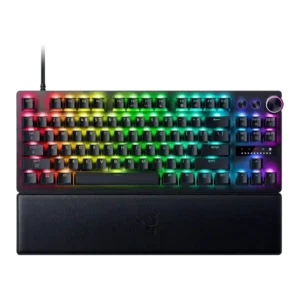
Overall: 3.9/5
Sound dampening was mixed by model: reviewers praised added foam or reduced vibrations on some versions, while the Mini was criticized for needing more padding.
Pros: customization options, typing feel
Cons: value for money, wrist rest quality
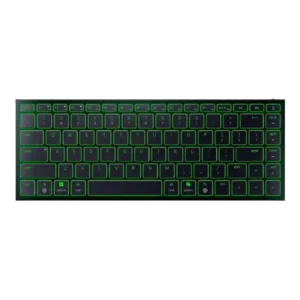
Overall: 3.7/5
TechRadar specifically criticized the lack of dampening, saying the keys could feel harsh under heavier typing.
Pros: portability, build quality
Cons: value for money, ergonomics