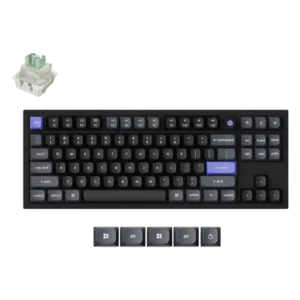
The 8K polling implementation was a standout point across the direct Q3 HE reviews.

The 8K polling implementation was a standout point across the direct Q3 HE reviews.

Polling-rate evidence was positive where reviewers tied 1000Hz or 2.4GHz use to strong responsiveness.
Pros: build quality, keycap quality
Cons: switch options, portability

The 8,000Hz polling rate was praised for competitive performance, though some reviewers said many players will not notice the benefit.
Pros: software quality, build quality
Cons: value for money, connectivity

Polling rate was tied to good responsiveness, with reviewers praising the 1000 Hz behavior for gaming and wireless-like-wired feel.
Pros: typing feel, design aesthetics
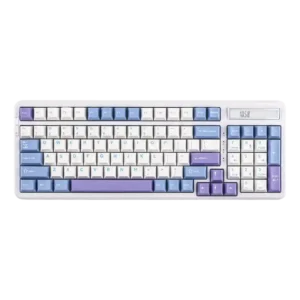
The polling rate drew praise where discussed, with one reviewer calling the 1000Hz rate impressive and another tying it to minimal latency.
Pros: RGB customization, keycap quality
Cons: frame rigidity, switch options

The 1,000Hz wired and 2.4GHz polling rate is viewed as fully adequate for mainstream gaming, even if it trails 8K esports-focused boards.
Pros: overall satisfaction, build quality
Cons: portability, reliability

Most reviewers treated the 8,000Hz polling as effective or accurate, though one called the practical benefit a marketing gimmick.
Pros: design aesthetics, build quality

A wired 1,000Hz mode was praised as a useful fallback when battery or wireless gaming performance mattered.
Pros: portability, build quality
Cons: value for money, ergonomics

The 1000Hz wired and 2.4GHz polling was treated as good enough for casual or some gaming, not as a competitive-gaming strength.
Pros: battery life, portability
Cons: volume control, switch options

The 1,000Hz polling rate was considered sufficient for most users, though reviewers noted faster 8,000Hz competitors exist.
Pros: value for money, build quality
Cons: switch options, hot-swappable switches

Most reviewers found the 1,000Hz polling rate adequate, but several treated the paid 8,000Hz booster requirement as a caveat.
Pros: typing feel, design aesthetics
Cons: value for money, materials quality

Polling-rate feedback was mixed but acceptable: 1,000Hz was considered fine or not a major issue, while reviewers noted the absence of 8,000Hz.
Pros: customization options, design aesthetics
Cons: switch options, key spacing

Polling rate is considered adequate or standard at 1,000 Hz, supporting mainstream gaming but not a headline feature.
Pros: noise level, RGB lighting quality
Cons: rapid trigger support, extra gaming features
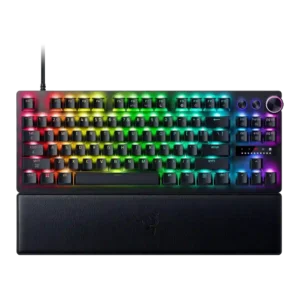
Polling-rate feedback split by version: several reviewers criticized or downplayed 1,000Hz models, while 8K reviewers praised the headline reporting speed but sometimes questioned its practical impact.
Pros: customization options, typing feel
Cons: value for money, wrist rest quality

The 1,000Hz polling rate was considered fine or a reasonable tradeoff, but reviewers noted it does not compete with faster 8,000Hz gaming boards.
Pros: sound dampening, switch feel
Cons: reliability, rapid trigger support

The 1000 Hz polling rate looks modest beside newer 8K boards, but reviewers say the keyboard still feels exceptionally fast. Only the most demanding competitive or rhythm-game players are likely...
Pros: overall satisfaction, customization options
Cons: value for money, switch options
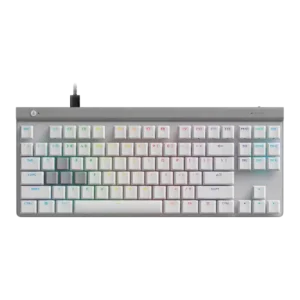
Polling rate drew a caveat: the 1,000 Hz implementation was usable, but the missing 8K option limited its premium competitive spec sheet.
Pros: build quality, gaming performance
Cons: typing feel, typing comfort
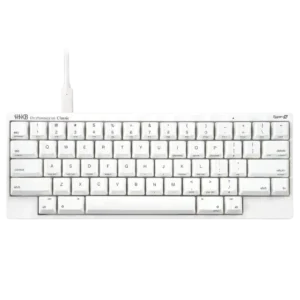
The 125 Hz polling rate is functional for ordinary use but clearly behind gaming-focused keyboards. Reviewers treat it as one reason this is not a competitive-gaming choice.
Pros: switch feel, typing feel
Cons: value for money, layout options