
The dense aluminum shell has almost no flex and stays firmly planted during typing or gaming.
Pros: overall satisfaction, build quality
Cons: portability, reliability

The dense aluminum shell has almost no flex and stays firmly planted during typing or gaming.
Pros: overall satisfaction, build quality
Cons: portability, reliability

The chassis is impressively rigid, with reviewers reporting no meaningful deck flex, creaking, or structural give. The aluminum configuration is especially solid.
Pros: overall satisfaction, customization options
Cons: value for money, switch options

Frame rigidity was excellent in the evidence, with reviewers emphasizing no flex, no give, and a body that did not budge.
Pros: build quality, keycap quality
Cons: switch options, portability

Frame rigidity was supported by the sturdy full-metal construction and reviewer confidence in long-term use.
Pros: value for money, build quality
Cons: switch options, hot-swappable switches

Frame rigidity was praised in one review because the board did not twist much and felt very nice.
Pros: typing feel, design aesthetics

The frame and weight were repeatedly praised for keeping the board planted and rigid on the desk.
Pros: software quality, build quality
Cons: value for money, connectivity

Frame rigidity was repeatedly praised, with reviewers describing the board as solid, planted, robust, and difficult to flex.
Pros: sound dampening, switch feel
Cons: reliability, rapid trigger support

Frame rigidity was consistently praised, with multiple reviewers noting almost no flex or bending from the thin deck.
Pros: portability, build quality
Cons: value for money, ergonomics

Frame rigidity was praised through sturdy-frame and no-flex comments.
Pros: customization options, design aesthetics
Cons: switch options, key spacing

Frame rigidity was a strength, with reviewers repeatedly noting no deck flex, no rattle, and a stable body.
Pros: typing feel, design aesthetics
Cons: value for money, materials quality
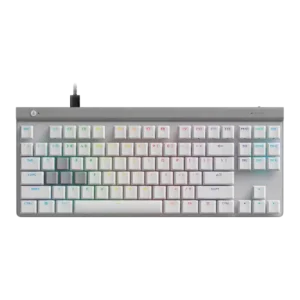
Frame rigidity scored very well, with reviewers repeatedly noting steel reinforcement, heft, no flex, and strong desk stability.
Pros: build quality, gaming performance
Cons: typing feel, typing comfort

The frame and case were praised as heavy duty, sturdy, high quality, and unusually detailed.
Pros: design aesthetics, build quality

Frame rigidity scored well thanks to comments about sturdiness, a thicker metal frame, and minimal flex.
Pros: battery life, portability
Cons: volume control, switch options
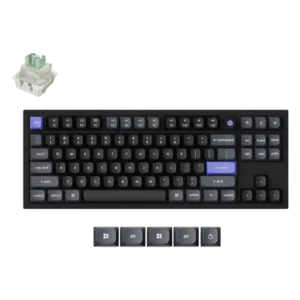
The body material was associated with increased stability and a luxury feel.

Frame rigidity is generally solid, especially where reviewers note stiffness or aluminum support, though one review says it lacks premium heft.
Pros: noise level, RGB lighting quality
Cons: rapid trigger support, extra gaming features
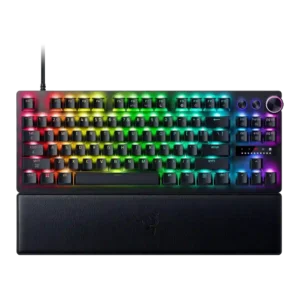
Frame rigidity was split by version and reviewer, ranging from minimal or zero flex to a complaint that the chassis gave under twisting.
Pros: customization options, typing feel
Cons: value for money, wrist rest quality
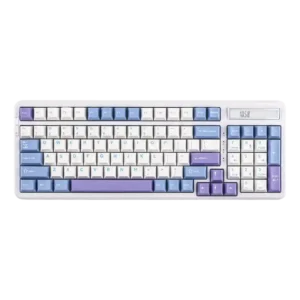
Frame rigidity was mixed, with some reviewers reporting flex or hollowness and others saying the board felt solid with no flex.
Pros: RGB customization, keycap quality
Cons: frame rigidity, switch options
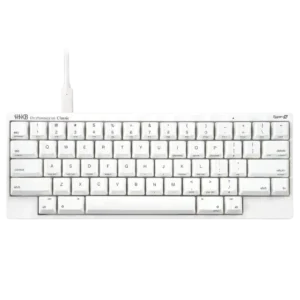
Rigidity draws sharply different impressions: one long-term review reports no flex or creaking, while another calls the board rattly and unstable-feeling under typing. The lightweight plastic construction shapes that perception.
Pros: switch feel, typing feel
Cons: value for money, layout options