#1
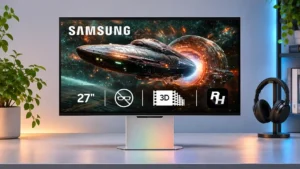
Overall: 3.7/5
The glossy front can make color look rich and avoid a grainy anti-glare texture. Its optical layer may show a faint grid or other artifacts at close range.
Pros: glasses-free 3D quality, AI 2D-to-3D conversion
Cons: 3D compatible game library, value for money
#2
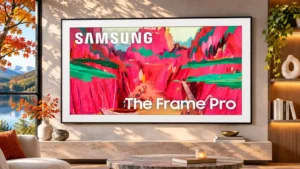
Overall: 3.8/5
Matte texture makes artwork appear impressively physical, though selected images can still seem unmistakably digital.
Pros: Wireless One Connect compatibility, art display mode
Cons: value for money, input lag
#3

Overall: 4.2/5
The matte treatment dramatically reduces reflections, but close inspection may reveal a slight softness compared with glossy screens.
Pros: picture quality, glare resistance
Cons: value for money, bass performance
#4
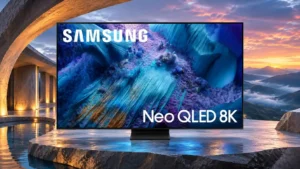
Overall: 3.8/5
The matte layer suppresses reflections remarkably well but can lend fine pixels a slightly hazy appearance.
Pros: glare resistance, overall satisfaction
Cons: input lag, value for money
#5

Overall: 3.9/5
Screen coating clarity is serviceable with some important tradeoffs, rather than a standout strength.
Pros: color volume, black levels
Cons: Inconsistent panel and coating by size, sound quality
#6

Overall: 4.0/5
The matte layer suppresses distracting reflections but gives the image a different finish from glossy OLED, with some brightness-dependent black lift.
Pros: reflection handling, overall satisfaction
Cons: Dolby Vision support, bass performance
#7
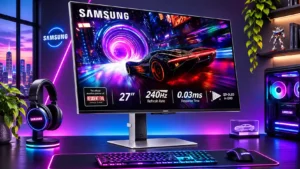
Overall: 4.2/5
The coating divides opinion: reflections are greatly subdued, but light backgrounds can look grainy or slightly diffused. Glossy alternatives have a cleaner appearance in controlled lighting.
Pros: reflection handling, color gamut
Cons: value for money, brightness
#8

Overall: 4.2/5
The matte finish slightly softens pixel edges and can create a hazy appearance. That compromise is especially noticeable to those buying 8K for absolute clarity.
Pros: high-refresh-rate gaming, gaming performance
Cons: value for money, bass performance
