
Overall: 3.8/5
Midtones track the HDR brightness target remarkably well, with only modest limitations at the very brightest levels.
Pros: cable management, design and appearance
Cons: value for money, Dolby Vision support

Overall: 3.8/5
Midtones track the HDR brightness target remarkably well, with only modest limitations at the very brightest levels.
Pros: cable management, design and appearance
Cons: value for money, Dolby Vision support
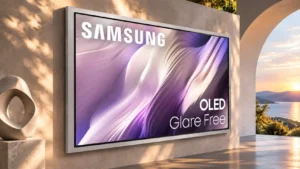
Overall: 4.2/5
Accurate modes track creative brightness intent closely and preserve fine detail. Some processing options increase impact at the expense of accuracy.
Pros: picture quality, overall satisfaction
Cons: design and appearance, Dolby Vision support
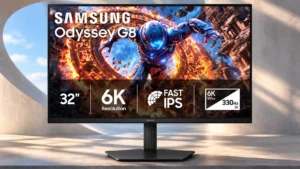
Overall: 3.5/5
HDR luminance tracking can be precise, with optional active tone mapping producing a slight brightness lift at the expense of some midtone detail.
Pros: Resolution, sharpness
Cons: value for money, HDR performance
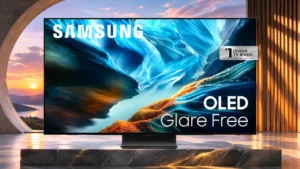
Overall: 4.1/5
HDR luminance tracking is impressively faithful, retaining detail through most mastered brightness ranges.
Pros: black levels, contrast ratio
Cons: Dolby Vision support, stutter handling
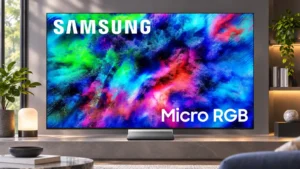
Overall: 3.7/5
Calibrated tone mapping is generally strong, though blacks can be slightly lifted and some shadows crushed. Game HDR and brighter presets can overemphasize the image.
Pros: color volume, overall satisfaction
Cons: value for money, color accuracy
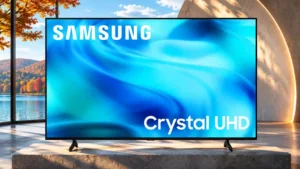
Overall: 2.7/5
Despite limited panel output, its HDR brightness tracking is impressively smooth and carefully controlled.
Pros: white balance accuracy, design and appearance
Cons: overall satisfaction, value for money
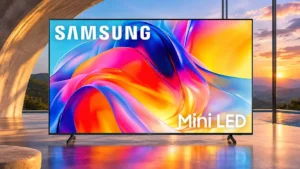
Overall: 2.6/5
Most midtones are tracked well with a gentle rolloff near peak brightness, although blacks remain raised.
Pros: sound quality, picture quality
Cons: value for money, local dimming performance
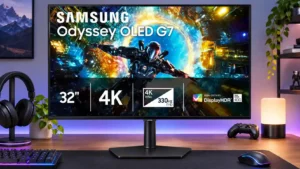
Overall: 3.8/5
One demanding PC game looked impressive in HDR without prolonged tinkering, a welcome exception to frustrating calibration experiences.
Pros: overall satisfaction, contrast
Cons: value for money, port selection
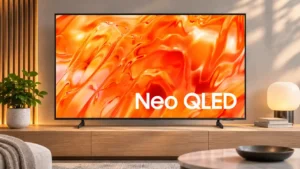
Overall: 3.1/5
HDR luminance tracking is impressively accurate through shadows and midtones, even though peak brightness and black depth remain limited.
Pros: picture quality, overall satisfaction
Cons: sound quality, black levels
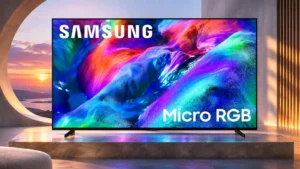
Overall: 3.8/5
HDR luminance tracking generally follows the intended curve well, retaining a sensible balance between light output and fine highlight detail.
Pros: overall satisfaction, color gamut
Cons: value for money, local dimming performance

Overall: 3.5/5
PQ tracking is generally strong through the midtones, with orderly highlight roll-off, though limited contrast affects near-black presentation.
Pros: art display mode, design and appearance
Cons: overall satisfaction, HDMI port accessibility

Overall: 4.0/5
Overall tonal tracking can be impressive, though some scenes expose exaggerated highlights and loss of shadow detail. A brighter setting can further trade accuracy for punch.
Pros: black levels, picture quality
Cons: glare resistance, reflection handling

Overall: 3.1/5
Tone mapping can preserve some gradation, but clipping and luminance errors cause lost highlights; adjustments provide limited improvement.
Pros: gaming performance, color accuracy
Cons: value for money, overall satisfaction
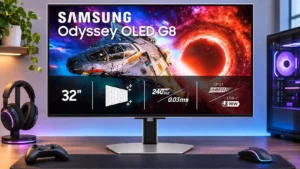
Overall: 4.1/5
Static mapping better preserves the intended light balance; Active looks livelier but can lift midtones and alter bright detail. Some peak modes crush shadows.
Pros: PC gaming compatibility, reflection handling
Cons: color accuracy, VRR flicker

Overall: 3.8/5
Tone mapping can preserve good detail in mainstream streaming, but HGIG overbrightens and very demanding 4,000-nit material can lose highlight information.
Pros: picture quality, contrast ratio
Cons: blooming control, glare resistance