Best for innovation
Donkey Kong Bananza
5.0 feature score
Highest scored product for this feature based on supporting review evidence.

Highest scored product for this feature based on supporting review evidence.
Balances feature score, supporting reviews, and overall product strength.
Has the broadest review evidence for this feature.
Strongest overall product among items with scored evidence for this feature.

Innovation was a major strength, with reviewers emphasizing technical ambition, reinvention, and fresh mechanics.
Pros: gameplay mechanics, world interactivity
Cons: economy and resource balance, enemy variety

The strongest innovation is making horror part of the farming routine itself rather than a separate mode. Dice rolls, survival tradeoffs, and unsettling domestic systems give familiar mechanics a fresh...
Pros: world interactivity, sandbox freedom
Cons: character diversity, character development
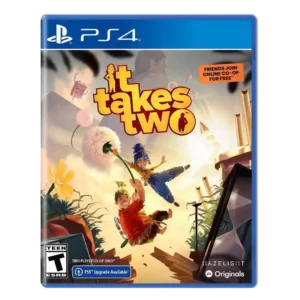
Innovation is strongly praised for its original, constantly changing co-op mechanics and creative approach.
Pros: core gameplay loop, movement feel
Cons: character development, dialogue quality
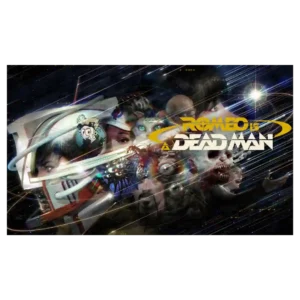
The most celebrated innovations are small but memorable: the DeadGear Cannonball progression maze, Bastard system, mixed-media storytelling, and willingness to switch genres without warning.
Pros: world interactivity, immersion
Cons: AI behavior, handheld play suitability
Its influence on later survival games is explicitly recognized, with Valheim treated as a genre-shaping example rather than merely another successful entry.
Pros: core gameplay loop, movement feel
Cons: economy and resource balance, map and navigation design
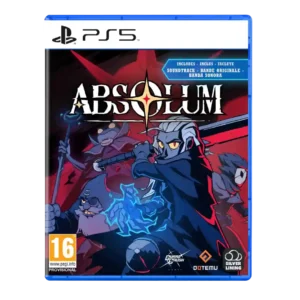
Innovation was praised where reviewers felt Absolum advanced or changed expectations for the beat-em-up genre.
Pros: mission design, world interactivity
Cons: quest design, endgame content
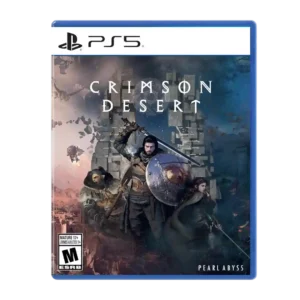
Reviewer evidence is strongly positive: innovation was repeatedly praised as a standout strength across 1 review(s).
Pros: level design, replay value
Cons: stealth mechanics, save system reliability
The combination of roguelike runs, action-RPG loot, Soulslike combat, and co-op feels fresh enough to stand out even though each individual ingredient is familiar.
Pros: movement feel, pacing
Cons: economy and resource balance, onboarding experience
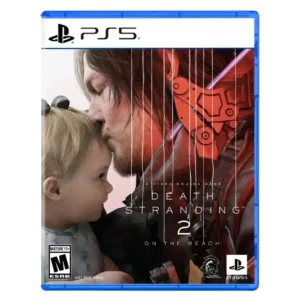
Reviewers praise the sequel’s inventive systems, unusual world, and a gameplay structure that few other games attempt.
Pros: animation quality, facial animations
Cons: quest design, AI behavior

The open-world reinvention is still described as revolutionary years later, especially in how it turns traditional Souls difficulty into freedom to explore elsewhere and return stronger.
Pros: gameplay mechanics, core gameplay loop
Cons: platforming precision, tutorial quality
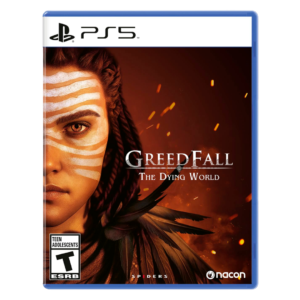
The perspective shift and willingness to build an entire RPG around colonialism, displacement, and tactical party play make the game feel unusually ambitious and distinctive.
Pros: mission design, sandbox freedom
Cons: movement feel, aiming precision

Innovation was supported by reviewers who saw the sequel as a significant leap and a genuinely unusual racing alternative.
Pros: flying mechanics, exploration quality
Cons: AI behavior, boss design
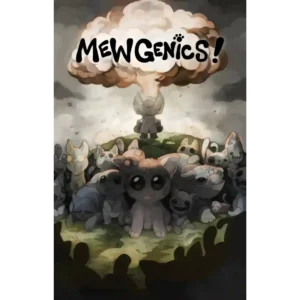
Blending inherited cat genetics, disposable one-run fighters, and deep grid tactics gives the roguelite formula a genuinely fresh identity rather than merely reskinning familiar systems.
Pros: level design, exploration quality
Cons: age appropriateness, family friendliness

Rather than simply polishing the original, the sequel meaningfully rethinks its structure with 3D combat, relic puzzles, and deeper run-based systems.
Pros: mission design, world interactivity
Cons: emotional impact, exploration quality

The dual-protagonist structure and combat ideas are credited as meaningful innovations for the series, even though later reviewers debate how fully those ideas were realized.
Pros: gameplay mechanics, world-building
Cons: AI behavior, platform-specific feature support
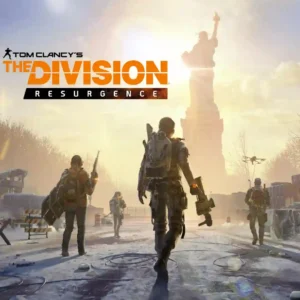
The franchise's first fully shared open world is seen as a major improvement that should influence future Division games.
Pros: exploration quality, sandbox freedom
Cons: mission variety, companion AI
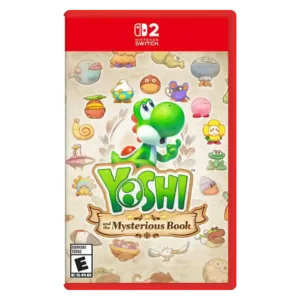
The game boldly reframes a Yoshi platformer as an interactive creature study built around experimentation. Reviewers widely praised its willingness to prioritize discovery over conventional stage completion.
Pros: platforming precision, protagonist appeal
Cons: pacing, co-op experience

Twining gives Aniimo a genuine identity by making collected creatures usable across traversal, puzzles, exploration, and combat rather than limiting them to battles.
Pros: level design, replay value
Cons: competitive balance, battle pass value

Many reviewers see Dispatch as a meaningful revival or evolution of episodic narrative games, though a minority argue its reduced interactivity limits how innovative it really is.
Pros: mission design, upgrade system
Cons: family friendliness, onboarding experience
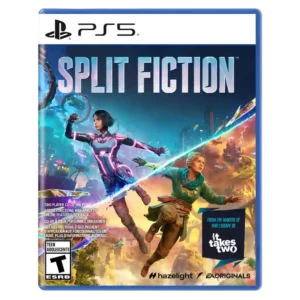
Innovation was strongly praised through creative levels, final sequences, and inventive co-op design.
Pros: puzzle design, level design
Cons: exploration quality, side character depth

Innovation had limited but strong support from a reviewer who said the RPG-infused visual novel felt unlike anything they had encountered in the genre.
Pros: accessibility options, protagonist appeal
Cons: frame rate stability, polish

Innovation is praised in the update context, where new roster additions were framed as unexpected extra effort.
Pros: emotional impact, sound design
Cons: cross-play support, boss design
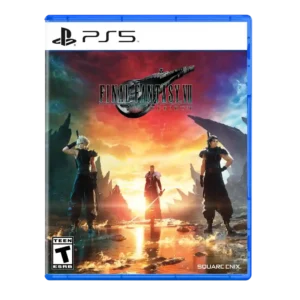
Innovation is praised in the game's density, polish, and inventive design ambition.
Pros: world-building, art direction
Cons: mission design, stealth mechanics
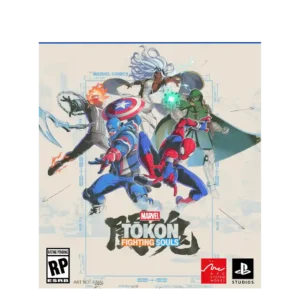
The reveal was received as bold and surprising, emphasizing the game's unusual 4v4 Marvel fighter concept.
Pros: emotional impact, frame rate stability
Cons: server reliability, tutorial quality
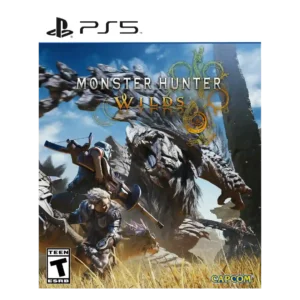
Innovation was praised where Wilds' new systems, weather, and traversal changes were seen as elevating the formula.
Pros: art direction, cross-play support
Cons: dialogue quality, monetization fairness
Conditioning meaningfully expands the familiar thought-system formula with violations, restrictions, and stronger interaction with the rest of the build.
Pros: level design, world interactivity
Cons: performance optimization, menu usability
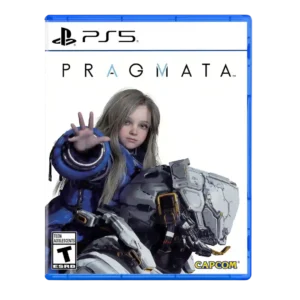
Innovation is one of the strongest attributes, especially the real-time hacking/shooting blend and Capcom’s willingness to build a new IP around it.
Pros: bug frequency, user interface design
Cons: HUD clarity, mission design

Innovation is praised where reviewers say the game evolves Shinobi meaningfully instead of merely repeating the past.
Pros: graphics quality, environmental detail
Cons: bug frequency, dialogue quality
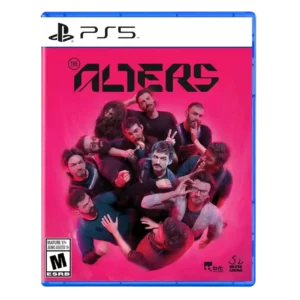
Innovation was praised through the game’s unusual genre blend and standout sci-fi structure.
Pros: controls responsiveness, onboarding experience
Cons: crash stability, grind level
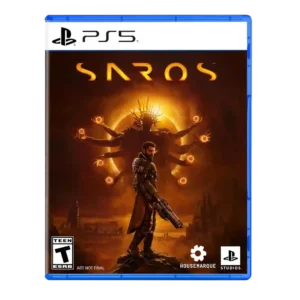
Innovation centered on the shield, bullet-as-resource design, haptic implementation, and a more flexible challenge structure.
Pros: value for money, fun factor
Cons: map and navigation design, side character depth
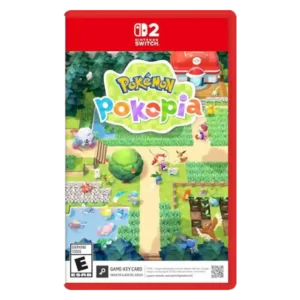
Innovation was praised as a fresh direction for Pokémon, with reviewers calling it novel, benchmark-setting, and franchise-reinvigorating.
Pros: protagonist appeal, faithfulness to franchise
Cons: map and navigation design, aiming precision
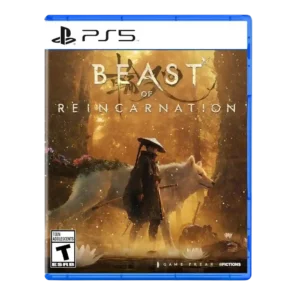
Blending real-time parries with slow-motion companion commands creates a fresh tactical rhythm. Koo’s abilities and Emma’s vine movement help the game distinguish itself from straightforward Soulslike comparisons.
Pros: soundtrack quality, value for money
Cons: onboarding experience, aiming precision
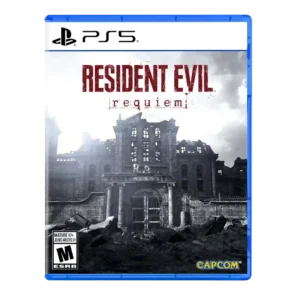
Innovation drew praise where reviewers saw Requiem as a step forward or ambitious new baseline for the franchise.
Pros: driving mechanics, protagonist appeal
Cons: platform-specific feature support, checkpoint system
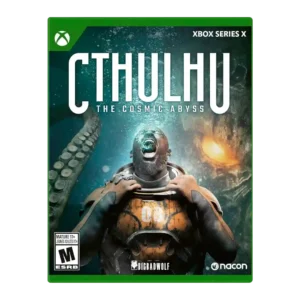
One review strongly praised the sci-fi Lovecraft blend, suggesting the game made that approach feel newly appealing.
Pros: world-building, world interactivity
Cons: enemy variety, stealth mechanics
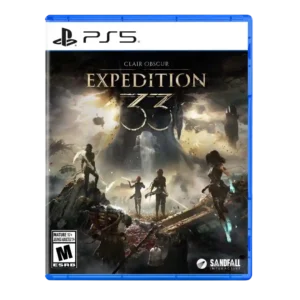
Innovation was praised for contributing to JRPG traditions while still feeling unique and structurally distinct.
Pros: monetization fairness, microtransaction impact
Cons: platforming precision, menu usability

Making civilians responsible for rescuing Haddonfield residents instead of simply escaping gives the asymmetrical formula a recognizable identity of its own.
Pros: world interactivity, world-building
Cons: dialogue quality, aiming precision
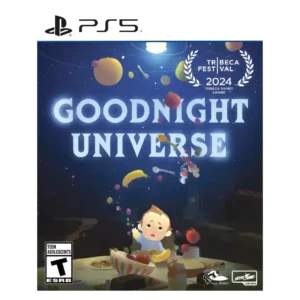
Innovation was praised for surprising mechanics and interactive storytelling, although one reviewer felt the good ideas were not fully realized.
Pros: side character depth, visual effects quality
Cons: user interface design, handheld play suitability
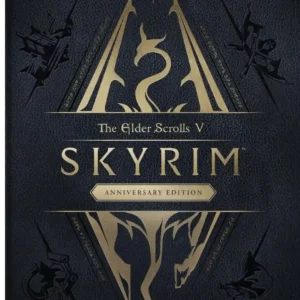
Skyrim is not viewed as a wholesale revolution, yet its streamlined progression, classless character development, open-world density, and combination of systems were important refinements that helped define modern open-world RPG...
Pros: gameplay mechanics, core gameplay loop
Cons: camera behavior, haptic feedback integration
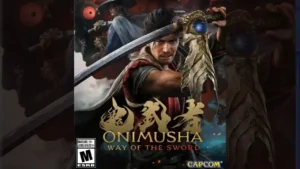
Reviewers praise the way the game modernizes Onimusha and combines familiar action ideas into a distinctive parry-centered system rather than simply becoming another Soulslike.
Pros: bug frequency, crash stability
Cons: economy and resource balance, open-world design
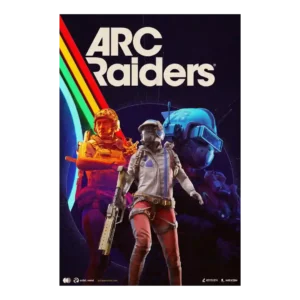
Reviewers felt Arc Raiders smartly refines extraction-shooter systems and, at its best, pushes the genre forward through social design.
Pros: frame rate stability, platform-specific feature support
Cons: voice acting, writing quality
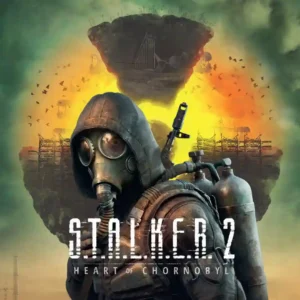
The game feels unusually singular even when many individual mechanics are old-fashioned. Its innovation comes less from inventing new systems than from combining scale, emergent danger, and atmosphere in a...
Pros: core gameplay loop, sandbox freedom
Cons: pacing, dialogue quality

Berseria’s anti-hero lead, darker story, and freer combat represented meaningful departures from older Tales conventions that several reviewers still appreciate.
Pros: crafting system, content variety
Cons: monetization fairness, endgame content
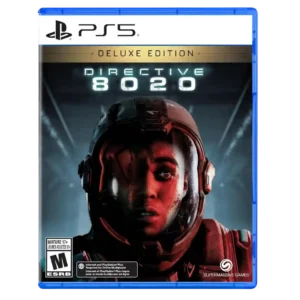
Innovation was praised where reviewers saw exploration, direct control, and the sci-fi impostor setup as meaningful changes.
Pros: user interface design, graphics quality
Cons: combat system, animation quality
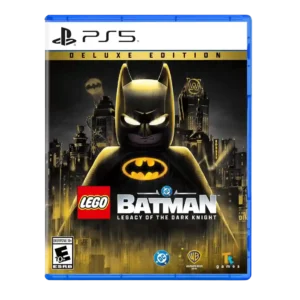
Innovation is promising, with reviewers saying the game feels unexpectedly different and potentially TT Games' most ambitious project.
Pros: pacing, core gameplay loop
Cons: companion AI, map and navigation design
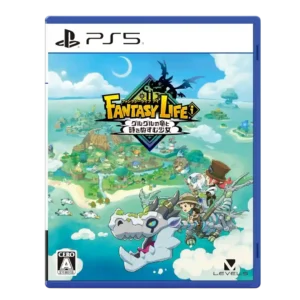
One review praises the roguelike dungeon design as unlike anything else in the genre mix.
Pros: load times, crash stability
Cons: originality, voice acting
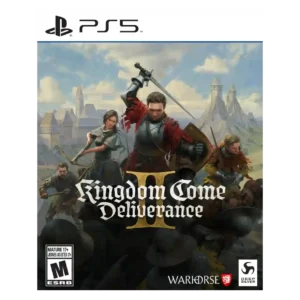
One reviewer praised the scale of improvement as something other studios rarely achieve.
Pros: soundtrack quality, fun factor
Cons: checkpoint system, family friendliness
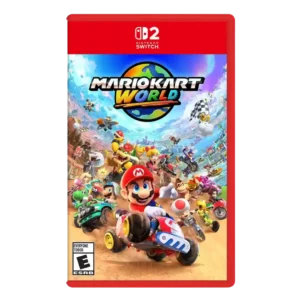
Innovation evidence was positive, with the game praised for palpable ambition and big swings.
Pros: animation quality, sound design
Cons: difficulty balance, AI behavior

Innovation was praised in the open-world RPG structure, accessibility ideas, and Drive system.
Pros: movement feel, art direction
Cons: platforming precision, writing quality

Innovation is praised in one review for meaningful twists on familiar mechanics.
Pros: core gameplay loop, controls responsiveness
Cons: mission design, learning curve
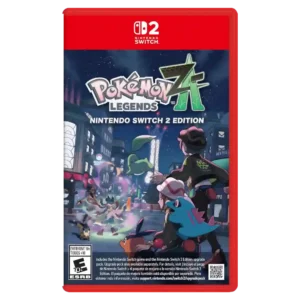
Innovation was widely praised for taking risks, evolving the formula, and experimenting with real-time combat and city structure.
Pros: crash stability, gameplay mechanics
Cons: AI behavior, monetization fairness