Best for innovation
Elden Ring: Tarnished Edition
5.0 attribute score
Highest scored product for this attribute based on supporting review evidence.

Highest scored product for this attribute based on supporting review evidence.
Balances the attribute score, supporting reviews, and overall product strength.
Has the broadest review evidence for this attribute.
Strongest overall product among items with scored evidence for this attribute.

Overall: 4.2/5
The open-world reinvention is still described as revolutionary years later, especially in how it turns traditional Souls difficulty into freedom to explore elsewhere and return stronger.
Pros: performance optimization, frame rate stability
Cons: controller ergonomics, platform-specific feature support

Overall: 3.9/5
The dual-protagonist structure and combat ideas are credited as meaningful innovations for the series, even though later reviewers debate how fully those ideas were realized.
Pros: combat system, remake/remaster quality
Cons: animation quality, environmental detail

Overall: 4.2/5
Playing little subgames while someone else takes a board turn is a particularly well-received idea. It keeps people involved during moments that often become downtime.
Pros: minigame quality, art direction
Cons: gameplay mechanics, onboarding experience

Overall: 3.7/5
Berseria’s anti-hero lead, darker story, and freer combat represented meaningful departures from older Tales conventions that several reviewers still appreciate.
Pros: narrative quality, combat system
Cons: remake/remaster quality, value for money

Overall: 3.8/5
The battle system earns praise for being ahead of its time. Its ideas helped establish the foundation later Tales games developed.
Pros: remake/remaster quality, combat system
Cons: graphics quality, controls responsiveness
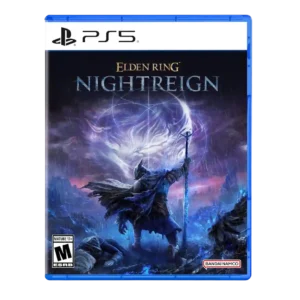
Overall: 3.4/5
Innovation was generally admired as a risky FromSoftware experiment, even where execution missed some marks.
Pros: co-op experience, fun factor
Cons: difficulty balance, social features
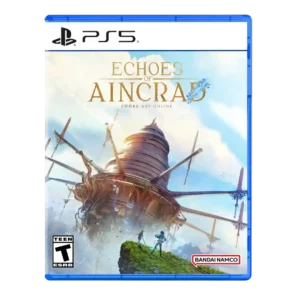
Overall: 3.7/5
Innovation was modest but positive, with reviewers calling it a fresh take and noting different ideas from prior SAO games.
Pros: combat system, companion AI
Cons: open-world design, movement feel

Overall: 3.9/5
Innovation was framed as refinement rather than reinvention, with reviewers praising how existing Digimon systems were modernized.
Pros: progression system, narrative quality
Cons: pacing, content variety

Overall: 3.6/5
Moving away from the franchise’s usual action games is a welcome idea. The premise feels fresh even when the underlying management formula is familiar.
Pros: overall quality, faithfulness to franchise
Cons: pacing, narrative quality

Overall: 3.8/5
Most changes are evolutionary rather than revolutionary, but weather systems, environmental interactions, and expanded storytelling meaningfully deepen the established formula.
Pros: narrative quality, fun factor
Cons: dialogue quality, difficulty balance
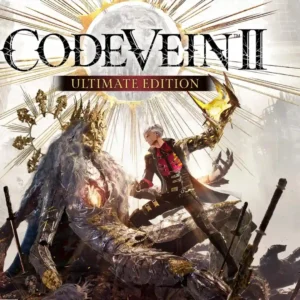
Overall: 3.2/5
The time-travel structure, partner assimilation, and revised build systems give the sequel genuinely ambitious ideas, even if reviewers disagree on whether execution matches the concepts.
Pros: fun factor, narrative quality
Cons: boss design, exploration quality
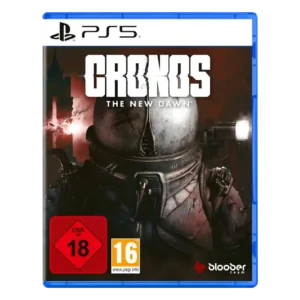
Overall: 3.9/5
Innovation was split between praise for the survival-action hybrid and criticism that Cronos rarely pushes its ideas far enough.
Pros: combat system, narrative quality
Cons: boss design, puzzle design
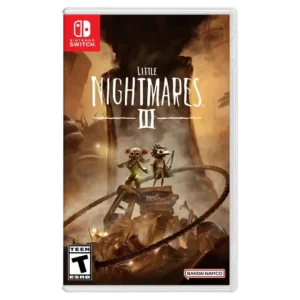
Overall: 2.8/5
Innovation leaned negative overall: reviewers noted a few smart ideas but repeatedly said the sequel played too safe or lacked new mechanics.
Pros: atmosphere, faithfulness to franchise
Cons: puzzle design, co-op experience