Best for onboarding experience
Digimon Story Time Stranger
4.8 attribute score
Highest scored product for this attribute based on supporting review evidence.

Highest scored product for this attribute based on supporting review evidence.
Balances the attribute score, supporting reviews, and overall product strength.
Has the broadest review evidence for this attribute.
Strongest overall product among items with scored evidence for this attribute.
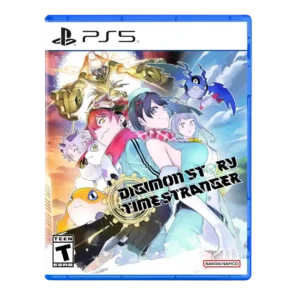
Overall: 3.9/5
The game was repeatedly described as newcomer-friendly, with reviewers saying prior Digimon knowledge was not required.
Pros: progression system, narrative quality
Cons: pacing, content variety

Overall: 4.0/5
Onboarding is often praised through practice tools, story-as-tutorial design, and beginner ramps, though tutorial quality itself varies.
Pros: combat system, accessibility options
Cons: narrative quality, matchmaking quality

Overall: 4.0/5
The prologue is widely praised for establishing Coen, the world, and the stakes, though a few previews found its earliest errands conventional. Its consequences quickly turn familiar tutorial tasks into...
Pros: combat system, fun factor
Cons: content variety, polish

Overall: 4.2/5
The opening is more approachable than earlier Souls games thanks to an optional tutorial, flexible starting classes, and many routes to power. Some reviewers still want clearer explanations of classes...
Pros: performance optimization, frame rate stability
Cons: controller ergonomics, platform-specific feature support

Overall: 3.9/5
Newcomers generally get a friendly entry point through clearer systems and quality-of-life changes, though the Grade Shop appearing immediately can be confusing or overly front-loaded.
Pros: combat system, remake/remaster quality
Cons: animation quality, environmental detail

Overall: 3.7/5
Onboarding was praised for orienting newcomers with terminology and key concepts from the SAO universe.
Pros: combat system, companion AI
Cons: open-world design, movement feel

Overall: 3.8/5
New players are supported by simplified controls, training, and forgiving difficulty choices, making this one of the easier entry points into the series.
Pros: narrative quality, fun factor
Cons: dialogue quality, difficulty balance

Overall: 4.2/5
Helpful CPU characters can teach the games while letting players participate. Elsewhere, unclear explanations and a missing stick-rotation warning leave room for better guidance.
Pros: minigame quality, art direction
Cons: gameplay mechanics, onboarding experience

Overall: 3.6/5
The opening can introduce systems and messages faster than they become familiar. The flow improves with experience, but fast or awkwardly controlled dialogue can undermine the introduction.
Pros: overall quality, faithfulness to franchise
Cons: pacing, narrative quality

Overall: 3.8/5
Important information is not always introduced clearly. Optional access to Manual mode and early terminology overload can leave new players uncertain.
Pros: remake/remaster quality, combat system
Cons: graphics quality, controls responsiveness

Overall: 3.7/5
The opening combat hours can feel overwhelming as Artes and interconnected systems arrive before every player feels comfortable with them.
Pros: narrative quality, combat system
Cons: remake/remaster quality, value for money
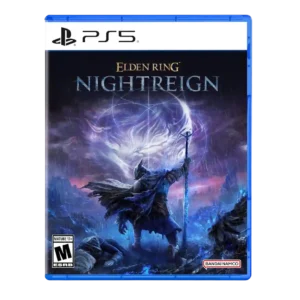
Overall: 3.4/5
Onboarding was considered obtuse or too demanding, especially for players without deep Elden Ring knowledge.
Pros: co-op experience, fun factor
Cons: difficulty balance, social features

Overall: 3.2/5
The opening is a common weak point: some reviewers appreciate the steady introduction of systems, while others find the early hours slow, tutorial-heavy, or overloaded with jargon.
Pros: fun factor, narrative quality
Cons: boss design, exploration quality

Overall: 2.8/5
Onboarding evidence was negative, with one reviewer saying newcomers are thrown in without enough guidance.
Pros: atmosphere, faithfulness to franchise
Cons: puzzle design, co-op experience