
Overall: 3.8/5
VRR works over a broad range and helps reduce tearing, including when frame rates dip.
Pros: picture quality, 4K at 144 Hz support
Cons: sound quality, value for money

Overall: 3.8/5
VRR works over a broad range and helps reduce tearing, including when frame rates dip.
Pros: picture quality, 4K at 144 Hz support
Cons: sound quality, value for money
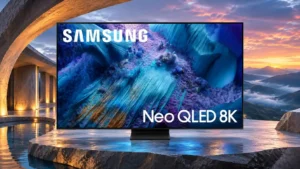
Overall: 3.8/5
Compatibility with major VRR systems is a gaming strength, helping maintain smoother frame pacing across changing loads.
Pros: glare resistance, overall satisfaction
Cons: input lag, value for money

Overall: 3.9/5
Broad VRR compatibility limits tearing even as frame rates fluctuate.
Pros: color volume, black levels
Cons: Inconsistent panel and coating by size, sound quality

Overall: 4.2/5
Variable refresh rate helps games stay fluid and largely tear-free even when the frame rate changes. It works across a broad range of sources.
Pros: high-refresh-rate gaming, gaming performance
Cons: value for money, bass performance
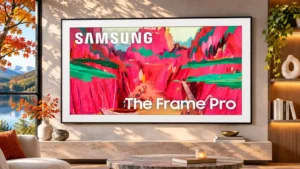
Overall: 3.8/5
Broad VRR support and 144Hz operation reduce tearing, even if slow motion and wireless lag still restrict serious gaming.
Pros: Wireless One Connect compatibility, art display mode
Cons: value for money, input lag
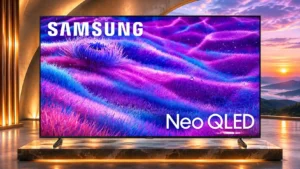
Overall: 3.8/5
Broad VRR support keeps variable-frame-rate games smooth and reduces tearing, including at relatively low frame rates.
Pros: overall satisfaction, picture quality
Cons: value for money, local dimming performance
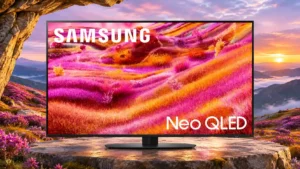
Overall: 4.2/5
A wide adaptive-refresh range greatly reduces tearing and supports fluid games, including low frame rates via compensation.
Pros: picture quality, glare resistance
Cons: value for money, bass performance
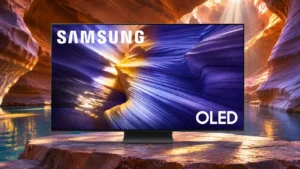
Overall: 3.9/5
Broad VRR compatibility helps keep fluctuating game frame rates smooth and free of tearing.
Pros: value for money, overall satisfaction
Cons: Dolby Vision support, sound quality

Overall: 4.0/5
VRR reduces tearing and adapts to varying frame rates for smoother console and PC play.
Pros: reflection handling, overall satisfaction
Cons: Dolby Vision support, bass performance

Overall: 3.3/5
Basic VRR is present on several models, but the narrow operating range means its practical improvement is limited.
Pros: color accuracy, upscaling quality
Cons: picture quality, sound quality
Overall: 3.0/5
VRR is supported but its narrow operational window means tearing can persist at lower frame rates. Compatibility is better than effectiveness.
Pros: picture quality, smart TV platform
Cons: value for money, refresh rate
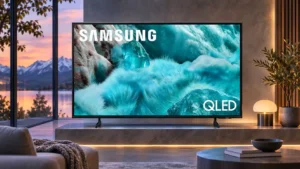
Overall: 3.0/5
The Q7F's missing or ineffective VRR functionality is a major limitation for consoles and gaming PCs with fluctuating frame rates.
Pros: color gamut, smart TV platform
Cons: value for money, overall satisfaction