
Overall: 3.1/5
Wide-range VRR, FreeSync and G-SYNC Compatible support work well to keep compatible gameplay nearly tear-free.
Pros: gaming performance, color accuracy
Cons: value for money, overall satisfaction

Overall: 3.1/5
Wide-range VRR, FreeSync and G-SYNC Compatible support work well to keep compatible gameplay nearly tear-free.
Pros: gaming performance, color accuracy
Cons: value for money, overall satisfaction

Overall: 3.8/5
VRR works effectively across compatible refresh rates and helps keep games smooth and free of tearing.
Pros: picture quality, contrast ratio
Cons: blooming control, glare resistance
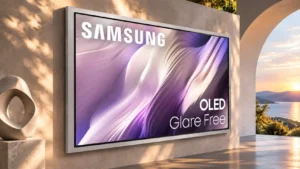
Overall: 4.2/5
VRR reduces tearing across a broad refresh range, with support for common console and PC formats.
Pros: picture quality, overall satisfaction
Cons: design and appearance, Dolby Vision support

Overall: 3.5/5
FreeSync, HDMI Forum VRR and G-SYNC Compatible modes reduce tearing across a very useful range of frame rates.
Pros: art display mode, design and appearance
Cons: overall satisfaction, HDMI port accessibility
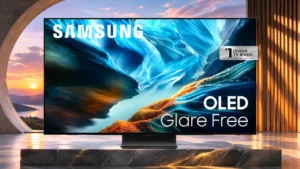
Overall: 4.1/5
VRR works extremely well across the panel's range, preventing most visible tearing.
Pros: black levels, contrast ratio
Cons: Dolby Vision support, stutter handling

Overall: 4.5/5
VRR is viewed as a strong gaming feature, smoothing frame-rate changes across supported consoles and PCs.
Pros: glare resistance, black levels
Cons: Dolby Vision support, color gamut

Overall: 3.8/5
FreeSync, HDMI VRR and G-SYNC compatibility help avoid tearing throughout the supported frame-rate range.
Pros: cable management, design and appearance
Cons: value for money, Dolby Vision support
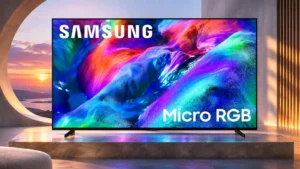
Overall: 3.8/5
Broad VRR support across PC and console ecosystems makes tearing less apparent even when frame rates fluctuate.
Pros: overall satisfaction, color gamut
Cons: value for money, local dimming performance

Overall: 4.0/5
Adaptive refresh works smoothly across much of the panel’s range and helps keep gameplay free of tearing.
Pros: black levels, picture quality
Cons: glare resistance, reflection handling
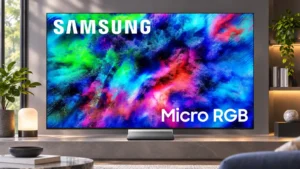
Overall: 3.7/5
VRR runs across a broad refresh-rate range and keeps frame tearing to a minimum. It works with several major PC and console systems.
Pros: color volume, overall satisfaction
Cons: value for money, color accuracy
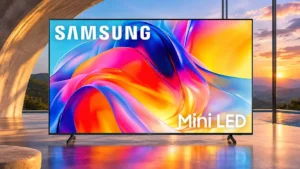
Overall: 2.6/5
VRR can prevent tearing near 60fps, though its narrow operating range limits its value when frame rates fall.
Pros: sound quality, picture quality
Cons: value for money, local dimming performance
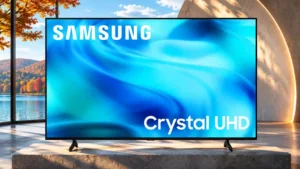
Overall: 2.7/5
VRR and ALLM provide baseline gaming convenience, yet the narrow effective range and absent low-frame-rate compensation limit smoothness.
Pros: white balance accuracy, design and appearance
Cons: overall satisfaction, value for money
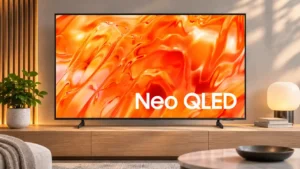
Overall: 3.1/5
Without VRR, the panel cannot synchronize refresh timing to variable console or PC frame rates.
Pros: picture quality, overall satisfaction
Cons: sound quality, black levels